News Summary
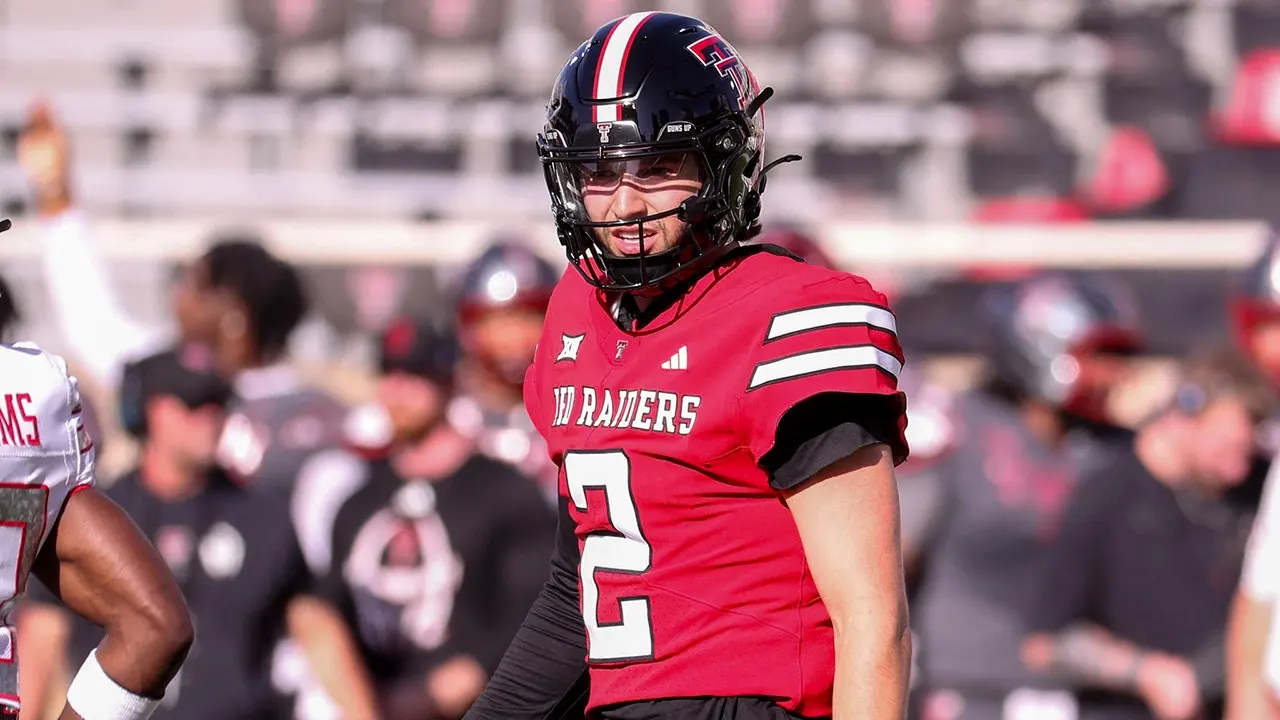
Brendan Sorsby, a Texas Tech quarterback who admitted to placing bets on games involving his own team, was initially ruled ineligible for the 2026 season. A Texas judge granted an injunction allowing Sorsby to play this season despite the prior ineligibility determination. Reports say some schools and conferences, including discussion within the Big Ten and directives from individual athletic directors, have considered or instructed staff not to schedule games against Texas Tech. There is also speculation the College Football Playoff could exclude Texas Tech if they qualify. Cody Campbell, a prominent Texas Tech booster, told a podcast that any conference-wide refusal to play or collectively exclude Texas Tech would amount to collusion and an antitrust violation, and he said the school would sue if necessary. Big 12 commissioner Brett Yormark has told member institutions they are evaluating options; Nebraska AD Troy Dannen and others have reportedly issued avoidance directives. Campbell additionally argued Sorsby’s actions are not materially worse than conduct by other college athletes who were not boycotted. The situation remains unresolved and could lead to litigation or institutional actions regarding scheduling and postseason access.
Biblical Reflection
This story sits at the intersection of legal strategy, institutional self-interest, and questions of moral accountability. Legally, conferences and committees must weigh antitrust exposure against their desire to uphold sport integrity; boosters and school officials will naturally defend institutional interests. The booster’s threat of lawsuits is a predictable use of legal leverage, but a court ruling allowing play does not automatically settle moral questions about fairness, rule-following, or the integrity of competition. Christians should look for truth (what actually happened and who is responsible), justice (appropriate consequences balanced with due process), and mercy (opportunities for repentance and restoration). Be mindful of biases: boosters and institutional leaders often frame disputes to protect prestige and revenue, while opponents may emphasize punishment to signal moral clarity. A faithful response seeks both accountability for wrongdoing and pathways to repair trust, resisting both excusing unethical behavior and delighting in public humiliation.
Scripture in context
This outlook does not yet include contextual Scripture citations. Do not treat a general biblical theme as an exegetical conclusion.
Faithful Response
No prescribed response is offered. Consider the reflection prompts below in your own church context.
Reflection and Discussion
- 1Are the legal arguments and threats of antitrust suits motivated primarily by a pursuit of justice or by institutional self-interest and reputation protection?
- 2Does a court injunction removing eligibility truly resolve the underlying ethical issues, or does it shift the dispute into a legal and PR battle instead of moral reckoning?
- 3How should governing bodies balance the need to preserve the integrity of sport with obligations to due process and the legal risks of collective actions?
Sources
Reporting links are evidence inputs; Sanctuary News' biblical reflection is commentary.
This outlook currently relies on fewer than two linked sources. Broaden verification before teaching from it.
- 1.Original reportprimary