News Summary
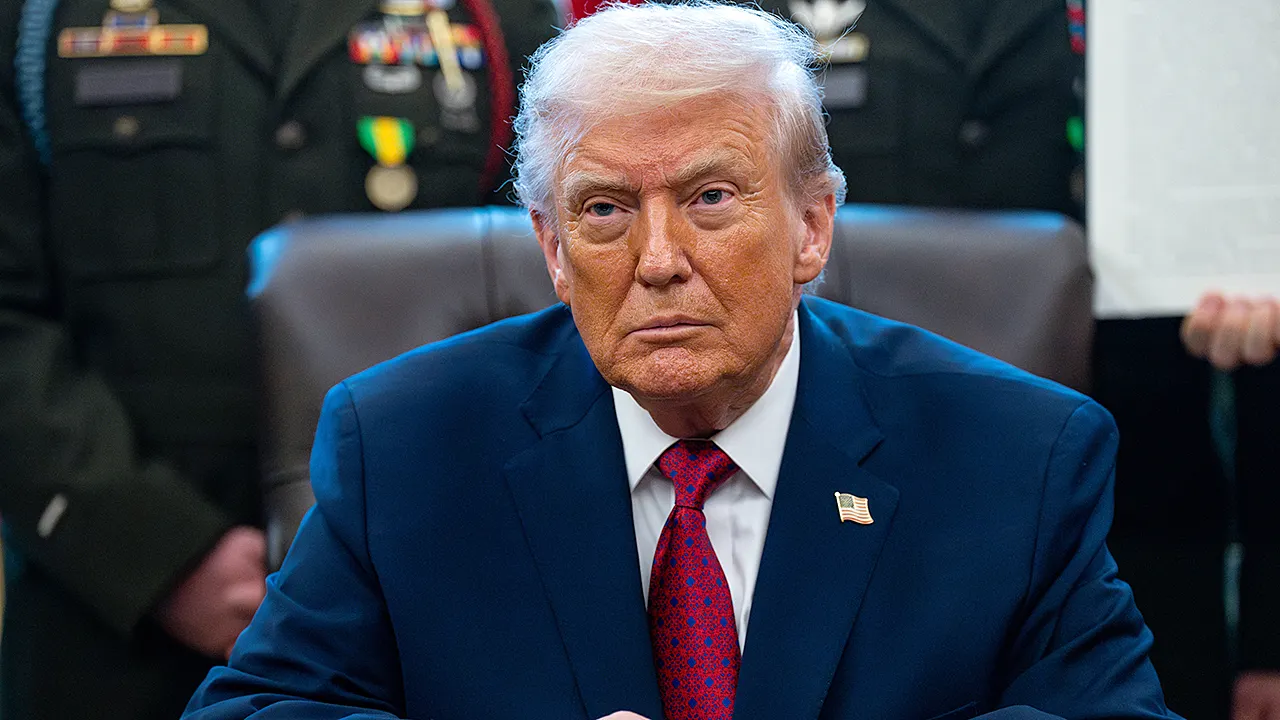
President Donald Trump signed an executive order on March 31, 2026, directing the Department of Homeland Security to compile State Citizenship Lists of adult U.S. citizens using federal data (including Social Security Administration records) and directing the U.S. Postal Service to deliver mail ballots only to individuals on those lists. Democratic plaintiffs and voting rights groups sued to block implementation, arguing the order exceeded presidential authority and risked disenfranchising eligible voters due to data errors and the constitutional role of states and Congress in regulating federal elections. U.S. District Judge Carl Nichols, a Trump appointee, denied requests for a preliminary injunction on the grounds the challenge was premature: no federal agency had yet acted under the order and plaintiffs had not shown present harm. The judge left open the possibility that plaintiffs could renew injunctive relief if and when agencies take actions under the order. The order requires lists be transmitted to states within 60 days of federal elections and provides processes for correcting inaccuracies. Trump and supporters frame the order as enforcing federal voting laws; critics point to separation-of-powers and practical data concerns. Election officials and voting experts cited in public debate say widespread mail-ballot fraud is rare, while Trump and allies continue to assert vulnerability to fraud.
Biblical Reflection
This case sits at the intersection of rule-of-law concerns, civic trust, and neighborly responsibility. Procedurally, the judge’s decision is narrow: he ruled only that the injunction was premature, not on the merits. Christians should value that restraint — courts are meant to decide on evidence and concrete harm, not political anxieties. At the same time, the substance raises ethical questions worth sober attention. Voting access is a means by which neighbors speak and steward civic life; any policy that risks excluding eligible voters demands rigorous safeguards, transparent procedures, and humility about data limitations. Claims of widespread mail fraud have been disputed by many election experts; Christians committed to truth should weigh evidence, not rhetoric. The political framing on both sides can inflame fear or dismiss legitimate concerns; faithful disciples should resist tribalizing the gospel in service of partisan advantage. Pray for accountable, careful implementation of policies, for the integrity of institutions (including the courts and postal workers), and for leaders to pursue justice without degrading civic neighbors. Seek mercy for those who may be wrongly impacted, courage to speak for procedural fairness, and humility about our own partisan assumptions.
Scripture in context
This outlook does not yet include contextual Scripture citations. Do not treat a general biblical theme as an exegetical conclusion.
Faithful Response
No prescribed response is offered. Consider the reflection prompts below in your own church context.
Reflection and Discussion
- 1Is the coverage emphasizing legal procedure or predicting political outcomes—and how does that affect your judgment about the urgency of the case?
- 2What evidence is cited for claims of widespread mail-ballot fraud, and how should Christians weigh expert consensus versus political assertions?
- 3Who stands to gain or lose if the order is implemented quickly without robust, transparent safeguards for correcting errors?
Sources
Reporting links are evidence inputs; Sanctuary News' biblical reflection is commentary.
This outlook currently relies on fewer than two linked sources. Broaden verification before teaching from it.
- 1.Original reportprimary