News Summary
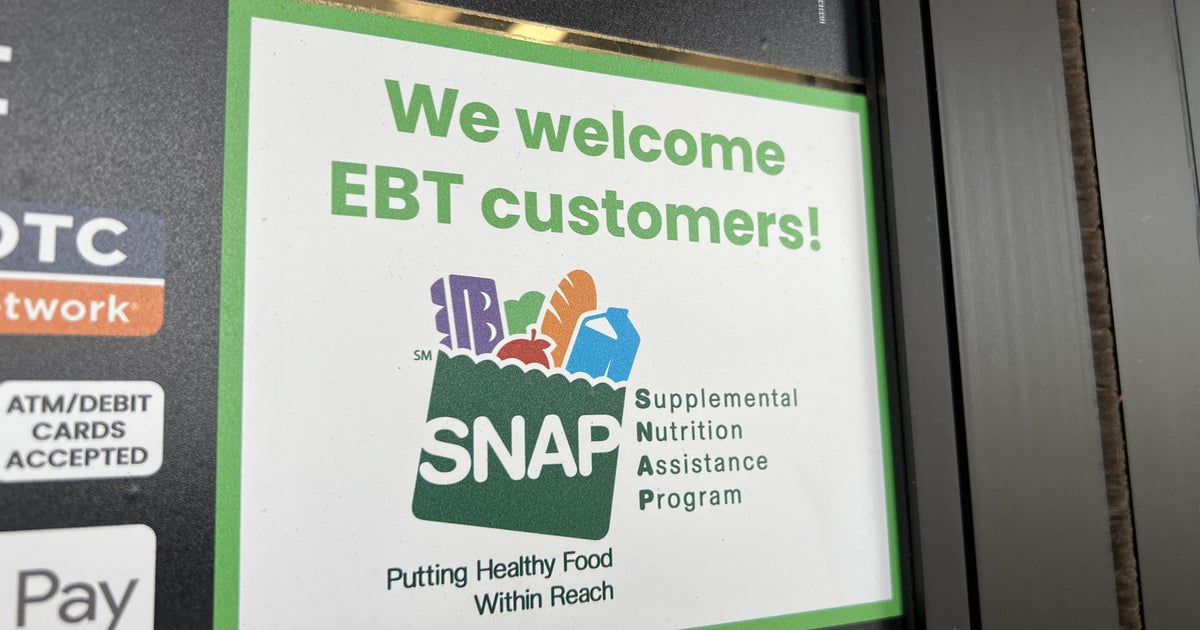
A federal judge, Amy Berman Jackson, ruled that the U.S. Department of Agriculture exceeded its authority when it approved state-level restrictions that would bar SNAP beneficiaries from using benefits to buy soft drinks and candy. Plaintiffs from five states (Colorado, Iowa, Nebraska, Tennessee and West Virginia) sued in March, arguing the state-by-state bans would destabilize food access and hinder people with chronic illnesses who rely on specific foods and drinks. The court held that Congress defined what counts as ‘‘food’’ under the Food and Nutrition Act and that the agency lacked statutory authority to narrow that definition. Earlier this year the USDA had approved waiver demonstrations allowing some states to restrict certain purchases as part of the “Make America Healthy Again” initiative, supported by Health Secretary Robert F. Kennedy Jr. and Agriculture Secretary Brooke Rollins; the department says it will continue pursuing the effort. The ruling applies to the five plaintiff states but may affect other states with similar waivers; FRAC and legal advocates say the opinion could be used in challenges to other approved demonstrations. The USDA has allowed waivers for multiple states (reported as 23 states permitted to implement restrictions), while plaintiffs and advocacy groups cited administrative confusion for retailers and recipients and potential harm to beneficiaries' access to needed food items.
Biblical Reflection
The ruling exposes a tension between public-health goals and legal limits on administrative power. Those pushing purchase restrictions aim to reduce diet-related illness among low-income Americans and limit taxpayer support for unhealthy products; that intention appeals to stewardship and care for public health. But the court’s decision rightly highlights the rule of law: agencies cannot unilaterally rewrite statutory definitions to pursue policy preferences. From a Christian pastoral perspective, two concerns stand out. First, mercy and neighbor-love mean prioritizing the dignity and food security of the poor; policies that restrict access or add confusion risk shaming or harming the vulnerable. Second, truth and humility call for honest assessment of whether top-down purchase bans will improve health or instead shift responsibility to those already struggling, without addressing food deserts, affordability, education, or health care access. The proper Christian response is neither reflexive opposition to regulation nor unquestioning support for paternalistic measures; it is to defend lawful, compassionate policies that protect dignity, promote health through empowerment and provision, and respect proper legal boundaries. Also note the political framing — naming certain foods as ‘‘junk’’ and framing beneficiaries as needing behavioral control — which can carry moral judgment and obscure structural causes of poor health. The judicial check here upholds constitutional separation of powers and protects a uniform statutory baseline for a nationwide safety-net program, while leaving room for constructive policy solutions (for example, benefit increases for healthy foods, incentives, community investment, and broad public-health programs) that do not undermine legal protections for recipients.
Scripture in context
This outlook does not yet include contextual Scripture citations. Do not treat a general biblical theme as an exegetical conclusion.
Faithful Response
No prescribed response is offered. Consider the reflection prompts below in your own church context.
Reflection and Discussion
- 1Does this policy prioritize the dignity and food security of low-income people, or does it substitute control for structural solutions?
- 2How do legal limits and the rule of law protect vulnerable populations from well-intentioned but potentially harmful administrative overreach?
- 3Are we addressing the root causes of diet-related illness (access, affordability, education, health care) or merely targeting individual purchases?
Sources
Reporting links are evidence inputs; Sanctuary News' biblical reflection is commentary.
This outlook currently relies on fewer than two linked sources. Broaden verification before teaching from it.
- 1.Original reportprimary