News Summary
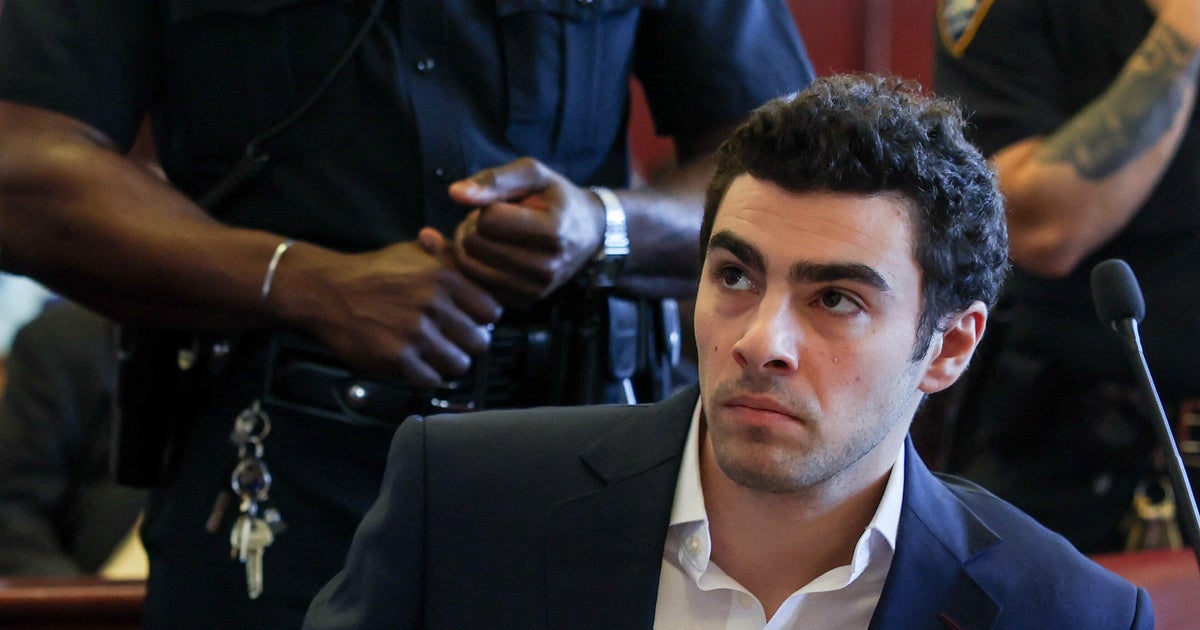
A New York state judge, Gregory Carro, held a hearing on whether items found in a backpack connected to Luigi Mangione’s arrest may be used at Mangione’s state trial in the December 2024 fatal shooting of UnitedHealthcare CEO Brian Thompson. Mangione was arrested at a McDonald's in Altoona, Pennsylvania. Defense attorneys argued the backpack search was an unlawful, warrantless search because the bag was not on Mangione’s person when he was arrested and law enforcement should have obtained a warrant. Prosecutors said the search was lawful, part of standard procedure, and occurred after Mangione gave a false identity. Judge Carro ruled the initial warrantless search was improper and suppressed items found during that initial search—specifically a gun magazine, cellphone, passport, wallet and computer chip. He nevertheless ruled that a gun and a notebook may be used in the state trial because those items were recovered when officers continued searching the bag at the police station. A federal judge had earlier ruled in January that the backpack evidence could be admitted in Mangione’s federal case. Mangione has pleaded not guilty to federal and state charges. Legal commentator Richard Schoenstein said the gun and writing suggesting motive are central evidence. The state trial date was moved from June 8 to September 8; federal jury selection is scheduled to begin Oct. 5, with opening statements planned for Oct. 26 or Nov. 2. Defense attorneys noted they are handling multiple cases; prosecutors suggested scheduling requests were related to the defense team’s other high-profile clients.
Biblical Reflection
From a Christian perspective, this story highlights the tension between seeking truth and upholding lawful process. The rule of law and procedural safeguards—such as protections against unlawful searches—exist to protect both the innocent and the guilty and to ensure trials focus on reliable evidence rather than rushed or improperly seized materials. Christians should be careful not to conflate suspicion or media fragments with final guilt; the courts exist to weigh evidence under defined legal standards. At the same time, we must grieve for the victim and his family and pray for justice to be served rightly. Media coverage often spotlights the most dramatic items (a gun, a notebook suggesting motive) and legal experts’ soundbites; be aware that such framing can bias public opinion before a full, fair adjudication. Practically, the Christian posture here is to trust lawful processes while advocating for fairness, resist the impulse to assume verdicts from partial information, and hold compassion for victims and a desire for truth and restitution. The article itself fairly reports the judge’s rulings and the competing legal arguments; readers should note the legal distinction between items suppressed at the scene versus items recovered later, and recognize how technical legal rules can shape what jurors ultimately see.
Scripture in context
This outlook does not yet include contextual Scripture citations. Do not treat a general biblical theme as an exegetical conclusion.
Faithful Response
No prescribed response is offered. Consider the reflection prompts below in your own church context.
Reflection and Discussion
- 1Are you allowing headlines or selective quotes to form your judgment, or are you waiting for how the full legal process examines all sides?
- 2How does awareness of legal protections (like search-and-seizure rules) affect your sense of what constitutes fair and truthful evidence?
- 3In following high-profile criminal cases, where should your compassion lie between support for victims, respect for due process, and prayer for all involved?
Sources
Reporting links are evidence inputs; Sanctuary News' biblical reflection is commentary.
This outlook currently relies on fewer than two linked sources. Broaden verification before teaching from it.
- 1.Original reportprimary