News Summary
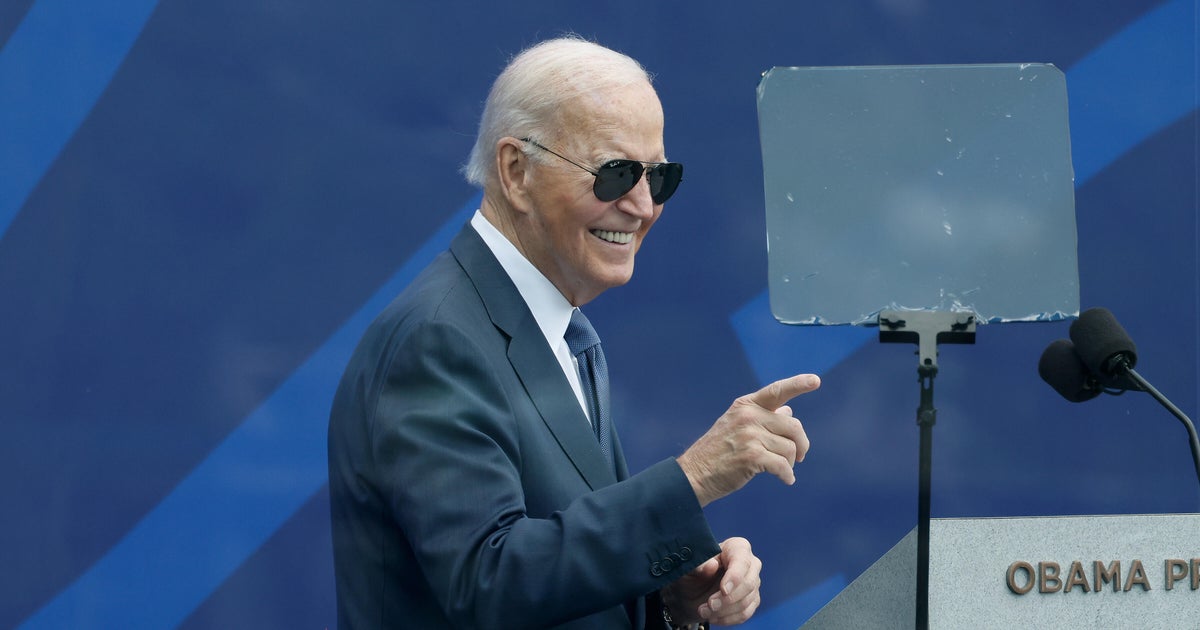
U.S. District Judge Dabney Friedrich denied former President Joe Biden's request to block the Justice Department from providing a conservative think tank, the Heritage Foundation, with redacted transcripts and audio recordings of Biden's 2016–2017 conversations with his biographer, Mark Zwonitzer. The DOJ had previously withheld most audio and transcripts under FOIA exemptions but later prepared heavily redacted versions and agreed to a release. Friedrich found Biden's privacy interests diminished by the extensive redactions and emphasized a strong public interest in disclosure because the records were relied upon by former special counsel Robert Hur in his report about Biden's handling of classified material. After the ruling, Biden's lawyers filed an emergency motion asking the court to block disclosure while they appeal, arguing the release would cause irreversible harm to privacy and law enforcement interests. Separately, Biden has sued to prevent release of the audio to the House Judiciary Committee; that case remains pending. Hur's report had described Biden's recorded conversations as showing memory difficulties but did not result in criminal charges.
Biblical Reflection
This dispute sits at the intersection of legitimate public oversight and the protection of personal dignity. FOIA exists to enable public scrutiny of government decision-making, especially when prosecutorial choices rely on particular records; the judge framed the release as serving that transparency. At the same time, recordings of a vulnerable moment in a person's life—especially someone in advanced age—raise realistic concerns about exploitation and lasting reputational harm. The article highlights how legal mechanisms can be used by political actors on both sides: FOIA and congressional access provide accountability, but they can also become tools for partisan exposure. Christians should value truth and transparency that protects the common good while also guarding mercy and human dignity. That means pressing for honest, fair disclosure (so institutions remain accountable) and resisting appetite for public shaming or the use of private struggles as political ammunition. Finally, be cautious about treating a court ruling as final moral judgment; the legal process continues and the wider public must weigh redacted facts carefully rather than leaping to character conclusions.
Scripture in context
This outlook does not yet include contextual Scripture citations. Do not treat a general biblical theme as an exegetical conclusion.
Faithful Response
No prescribed response is offered. Consider the reflection prompts below in your own church context.
Reflection and Discussion
- 1When public transparency reveals a leader's vulnerabilities, how do we balance the public's right to know with respect for personal dignity?
- 2Are legal disclosures being pursued primarily for public accountability or for partisan advantage, and how would that motive change how we evaluate the material?
- 3Do extensive redactions adequately protect privacy, or can even redacted releases be weaponized in public discourse?
Sources
Reporting links are evidence inputs; Sanctuary News' biblical reflection is commentary.
This outlook currently relies on fewer than two linked sources. Broaden verification before teaching from it.
- 1.Original reportprimary