News Summary
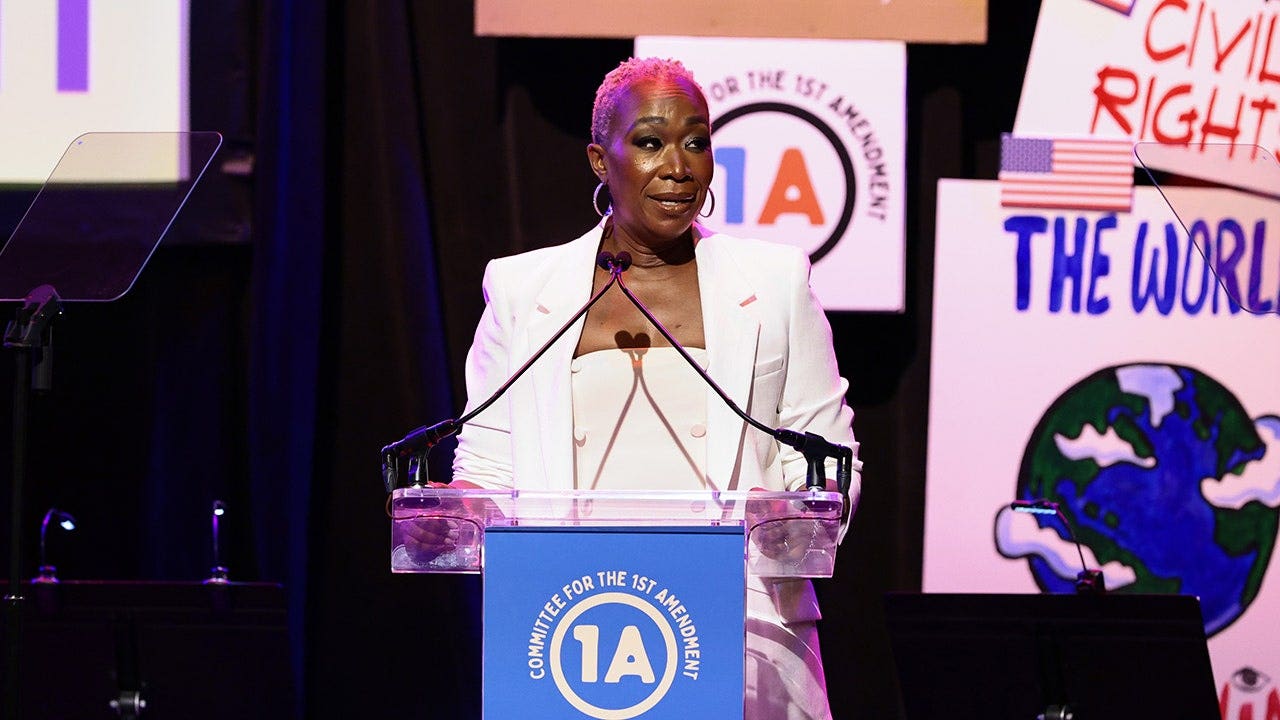
On a recent episode of her podcast with author Ta-Nehisi Coates, former MSNBC host Joy Reid said she will not vote for any Democrat who does not pledge to end the U.S. relationship with Israel. In the interview she described Democrats as strongly allied with Israel and called Israel a "nuclear-armed expansionist power" that does not need U.S. financial support. The comments were flagged by media outlets; the Fox News report also recounts prior public remarks by Reid criticizing former President Donald Trump’s impact on the media, noting her MSNBC show was canceled in February 2025 and referencing other public commentary she has made about sports and politics.
Biblical Reflection
Reid’s remarks are a forceful expression of personal political conviction rather than a policy proposal with immediate legal effect. As Christians, we should note multiple layers: first, public figures speaking in stark absolutes can sharpen polarization and make constructive dialogue harder; second, the Israel–U.S. relationship and the conflict in the region are complex, involving security, humanitarian, legal, and moral questions that merit careful fact-checking and humble study rather than slogans. The article’s framing (a conservative outlet highlighting a left-leaning commentator’s extreme turn) also reflects media incentives to spotlight conflict. Biblically-minded discernment calls us to truth — checking claims and context — and to mercy and neighbor-love: refusing to demonize whole peoples or political coalitions, advocating for the vulnerable on all sides, and pressing leaders toward justice and peace. Christians can critique policies and hold leaders accountable while resisting rhetoric that dehumanizes others or encourages tribal retreat from listening and reconciliation.
Scripture in context
This outlook does not yet include contextual Scripture citations. Do not treat a general biblical theme as an exegetical conclusion.
Faithful Response
No prescribed response is offered. Consider the reflection prompts below in your own church context.
Reflection and Discussion
- 1Does this kind of absolute political demand simplify a complex foreign-policy relationship and the human consequences tied to it?
- 2Which facts about the U.S.–Israel relationship and the humanitarian situation should I verify before accepting a strong public claim?
- 3How does my commitment to Christ’s call to love neighbors inform how I receive and respond to heated political statements about other peoples?
Sources
Reporting links are evidence inputs; Sanctuary News' biblical reflection is commentary.
This outlook currently relies on fewer than two linked sources. Broaden verification before teaching from it.
- 1.Original reportprimary