News Summary
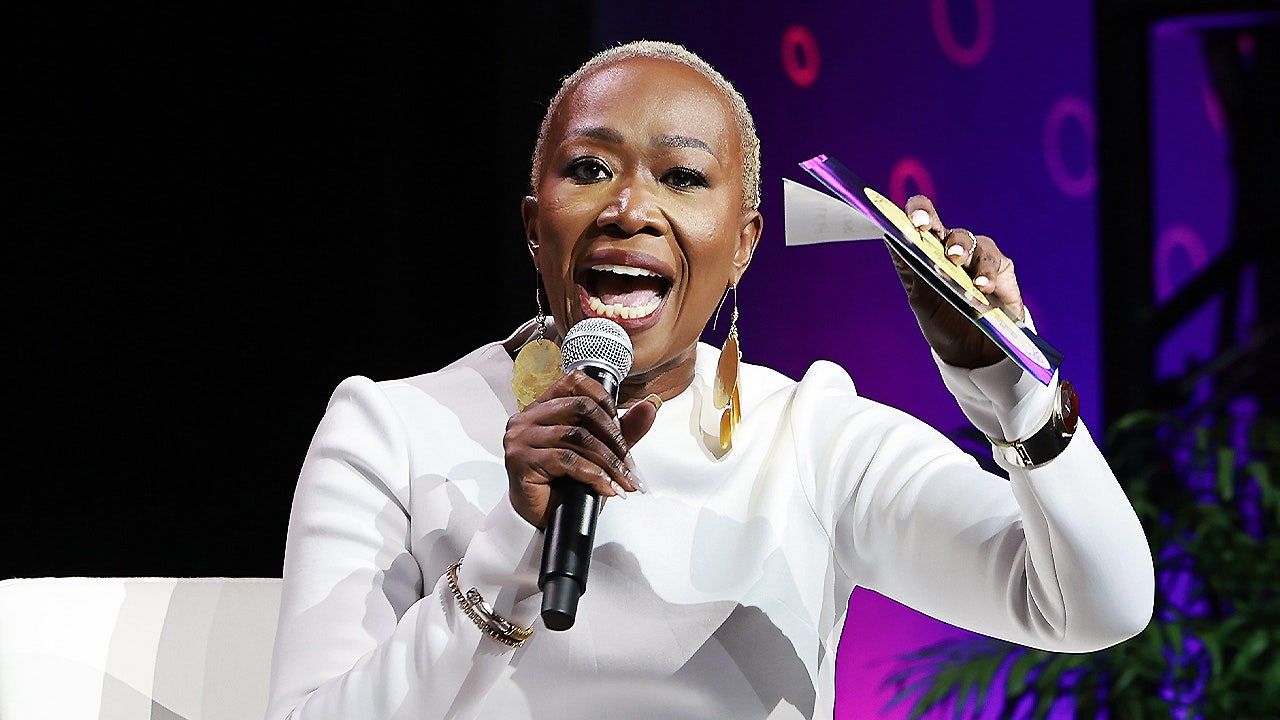
On her YouTube program with analyst Alex Wagner, former MSNBC host Joy Reid said that many Black Americans view the Fourth of July as a hypocritical holiday tied to slaveholding and therefore do not enthusiastically celebrate it; they will take the day off but consider Juneteenth the truer date to mark American freedom. Reid referenced Frederick Douglass’s critique of Independence Day, the 1619 Project, and the delayed enforcement of Reconstruction amendments until the 1960s as reasons for this view. Wagner agreed that Juneteenth raises questions about what patriotism should mean. Reid also criticized Abraham Lincoln’s early positions on slavery and said Donald Trump represents longstanding racist currents in American history while contrasting Trump with Barack Obama as a symbol of striving to improve the nation. The article reports these remarks and identifes Reid as a former MSNBC host speaking on her eponymous show.
Biblical Reflection
Reid’s remarks reflect a historically grounded and prophetic critique: for many African Americans the nation’s promise of liberty was incomplete and delayed, so alternative commemorations like Juneteenth carry legitimate moral weight. The piece, however, reports strong generalizations as personal and political claims—statements like “no Black people I know celebrate July 4th” are subjective and risk flattening the diversity of Black experience. Christians are called both to speak truth about injustice and to pursue reconciliation; acknowledging historical wrongs (truth) must be paired with humility and love toward neighbors whose perspectives differ. Be cautious of the article’s framing: it amplifies polarized voices (a progressive commentator and partisan reaction) and may encourage readers to choose identity-based caricatures rather than listen for nuance. The faithful response is to learn the history honestly, mourn and confess past and present injustices, and work for justice and unity without excusing sin or denying real grievances.
Scripture in context
This outlook does not yet include contextual Scripture citations. Do not treat a general biblical theme as an exegetical conclusion.
Faithful Response
No prescribed response is offered. Consider the reflection prompts below in your own church context.
Reflection and Discussion
- 1Which historical facts underlie differing celebrations of July 4 and Juneteenth, and whose stories are often left out of national narratives?
- 2When commentators make broad claims about an entire racial group, are they describing a majority experience or a particular perspective—and how should that shape our response?
- 3Does framing national identity as wholly virtuous or wholly corrupt help or hinder the church’s witness of repentance, truth-telling, and neighbor-love?
Sources
Reporting links are evidence inputs; Sanctuary News' biblical reflection is commentary.
This outlook currently relies on fewer than two linked sources. Broaden verification before teaching from it.
- 1.Original reportprimary