News Summary
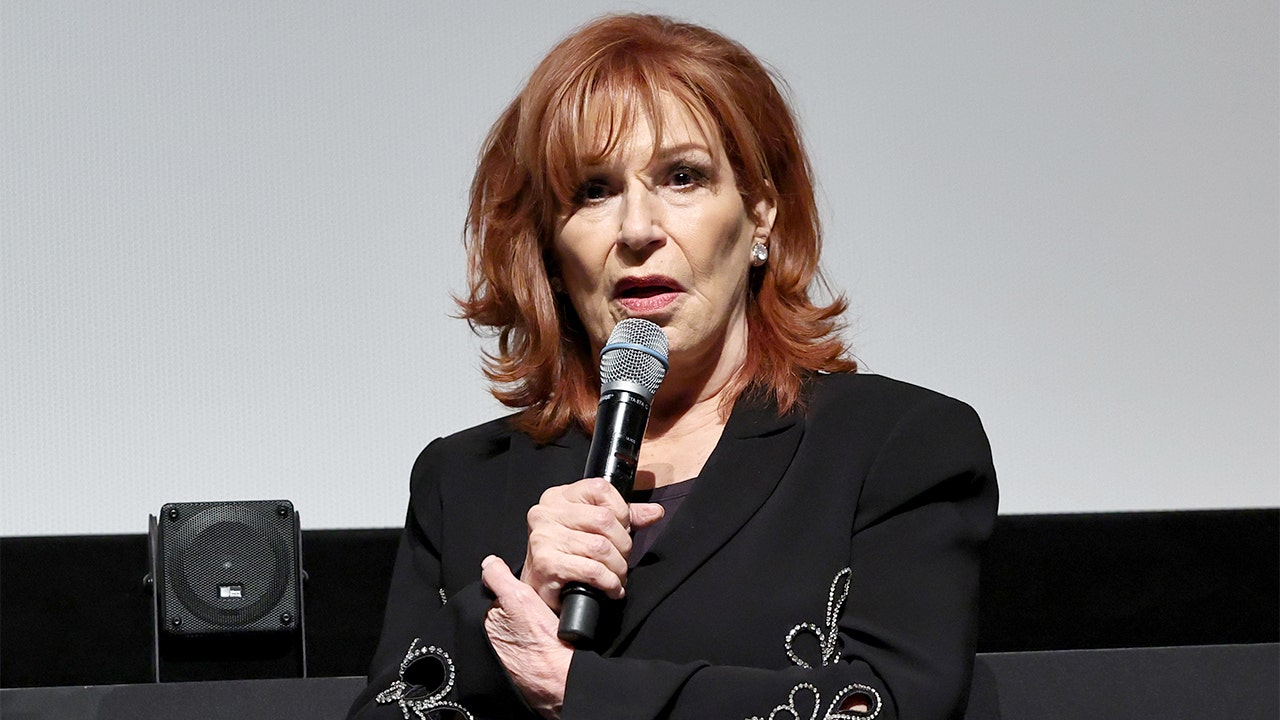
On the "Behind the Table" podcast, The View co-host Joy Behar defended voting for flawed Democratic candidates by citing Ted Kennedy's Chappaquiddick incident, saying voters kept him because he "voted correctly." Producer Brian Teta pressed Behar about her frustration with voters who supported Donald Trump despite his controversies. The exchange occurred as Republican Senate candidate Graham Platner was facing explosive sexual assault allegations and increasing calls to withdraw from the Maine race. The View co-hosts discussed whether party loyalty should override character concerns: Sunny Hostin acknowledged she previously would have "plugged my nose" and voted for Platner given the stakes, later agreeing with other hosts that Platner should exit the race; Alyssa Farah Griffin and Sara Haines pushed Hostin on whether she would still support him. The segment revisited past remarks by Behar comparing tolerance of flawed politicians when policy outcomes align with voters' priorities.
Biblical Reflection
The piece highlights a common tension in modern civic life: balancing policy priorities against moral character and accountability. From a Christian perspective, the article surfaces two pitfalls to avoid—tribalism that excuses abuse or wrongdoing when a candidate advances preferred policies, and quick partisan denunciation that applies standards unevenly. The media framing here (a conservative outlet reporting a liberal commentator being "cornered") also reflects how outlets emphasize conflict to drive engagement; readers should note the adversarial tone. Christian wisdom calls for consistent standards of justice and compassion: protect the vulnerable and insist on accountability, yet resist reducing civic choices to mere partisan scoring. Voting requires discernment, not moral relativism; holding leaders accountable should not be sacrificed for short-term political gain, nor should righteous anger become self-righteous tribalism.
Scripture in context
This outlook does not yet include contextual Scripture citations. Do not treat a general biblical theme as an exegetical conclusion.
Faithful Response
No prescribed response is offered. Consider the reflection prompts below in your own church context.
Reflection and Discussion
- 1Are we holding leaders to the same moral standards across party lines, or do we excuse similar failings when policies align with our views?
- 2When we say we'd 'vote for the lesser evil,' what concrete harms or protections are we prioritizing, and who bears the cost of that choice?
- 3How does media framing of intra-party tensions shape our readiness to demand accountability rather than simply defend our team?
Sources
Reporting links are evidence inputs; Sanctuary News' biblical reflection is commentary.
This outlook currently relies on fewer than two linked sources. Broaden verification before teaching from it.
- 1.Original reportprimary