News Summary
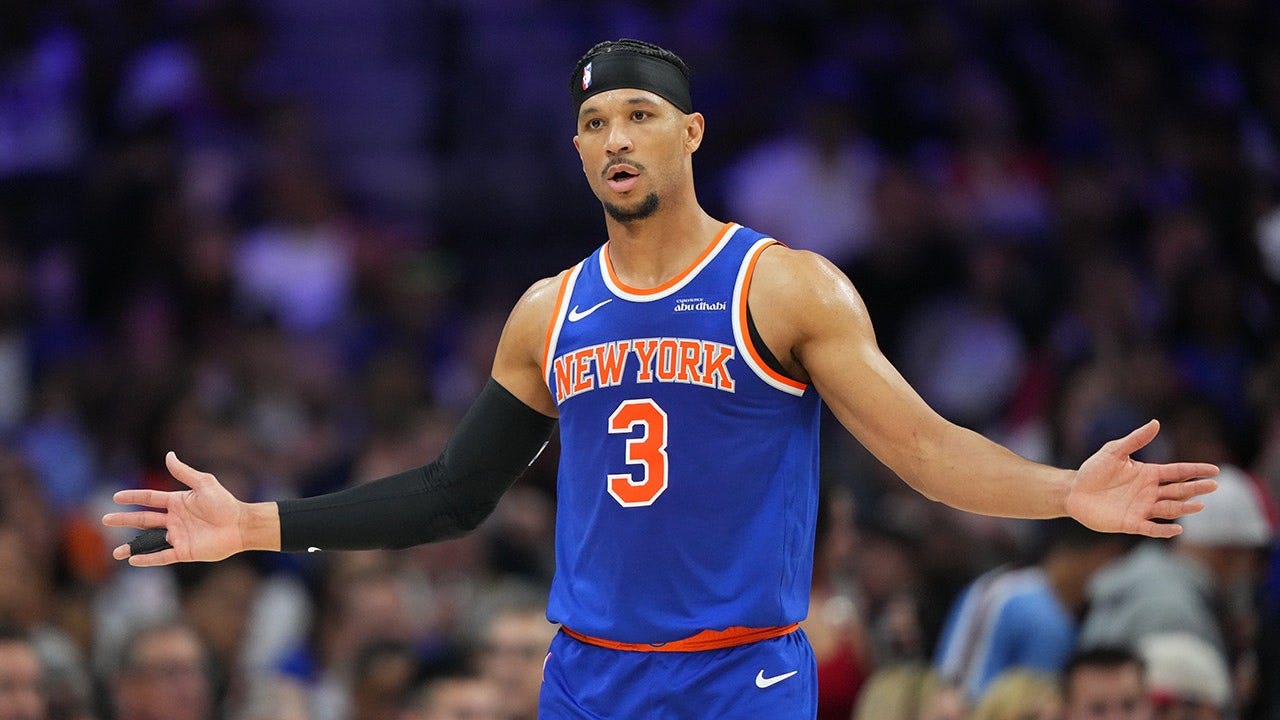
The New York Knicks returned the NBA Finals to Madison Square Garden for the first time in 27 years and lead the best-of-seven series 2–0 against the San Antonio Spurs. Secondary-market ticket prices for Games 3 and 4 rose sharply after the Knicks' recent win; reported get-in prices reached roughly $7,000–$10,000 with top listings up to about $110,964, and a Gametime figure cited a $10,097 get-in price as of Sunday night. Knicks starter Josh Hart told reporters he found those prices “ridiculous,” saying many long-time fans are being priced out. The expected attendance of President Donald Trump at Game 3 and heightened security measures were noted as factors related to the event; Trump suggested people can watch on television. NBA Commissioner Adam Silver called it “frustrating” that more people couldn’t afford to attend but acknowledged market forces. The Knicks urged early arrival for added screening; players said they remain focused on the series despite who may be in the arena.
Biblical Reflection
This story highlights a tension between market-driven pricing and communal access to cultural events. Facts reported — soaring secondary-market prices and enhanced security tied to a high-profile attendee — appear consistent with public ticket listings and official statements, but emphasis on the president’s presence may reflect editorial choice rather than the core issue of affordability. From a Christian perspective, the situation invites concern for neighbor-love: when shared civic or cultural moments become exclusive because of cost, long-standing community bonds are weakened and the common good suffers. Christians should notice how celebrity, politics, and profit can shift the purpose of a public gathering from shared joy to status display. That does not mean markets are inherently evil, but it does call for humility among those who profit, compassion for those excluded, and clear-eyed evaluation of whether institutions are serving community flourishing or private gain. Practically, readers should discern between face-value and secondary-market pricing, question who benefits from scarcity-driven pricing, and resist letting spectacle or partisan framing distract from the human cost of exclusion.
Scripture in context
This outlook does not yet include contextual Scripture citations. Do not treat a general biblical theme as an exegetical conclusion.
Faithful Response
No prescribed response is offered. Consider the reflection prompts below in your own church context.
Reflection and Discussion
- 1Who gains when public cultural events become exclusive, and whose access is lost?
- 2How does the presence of political celebrities change how we value communal experiences?
- 3Are we accepting commercial logic in places where hospitality and shared memory should matter more?
Sources
Reporting links are evidence inputs; Sanctuary News' biblical reflection is commentary.
This outlook currently relies on fewer than two linked sources. Broaden verification before teaching from it.
- 1.Original reportprimary