News Summary
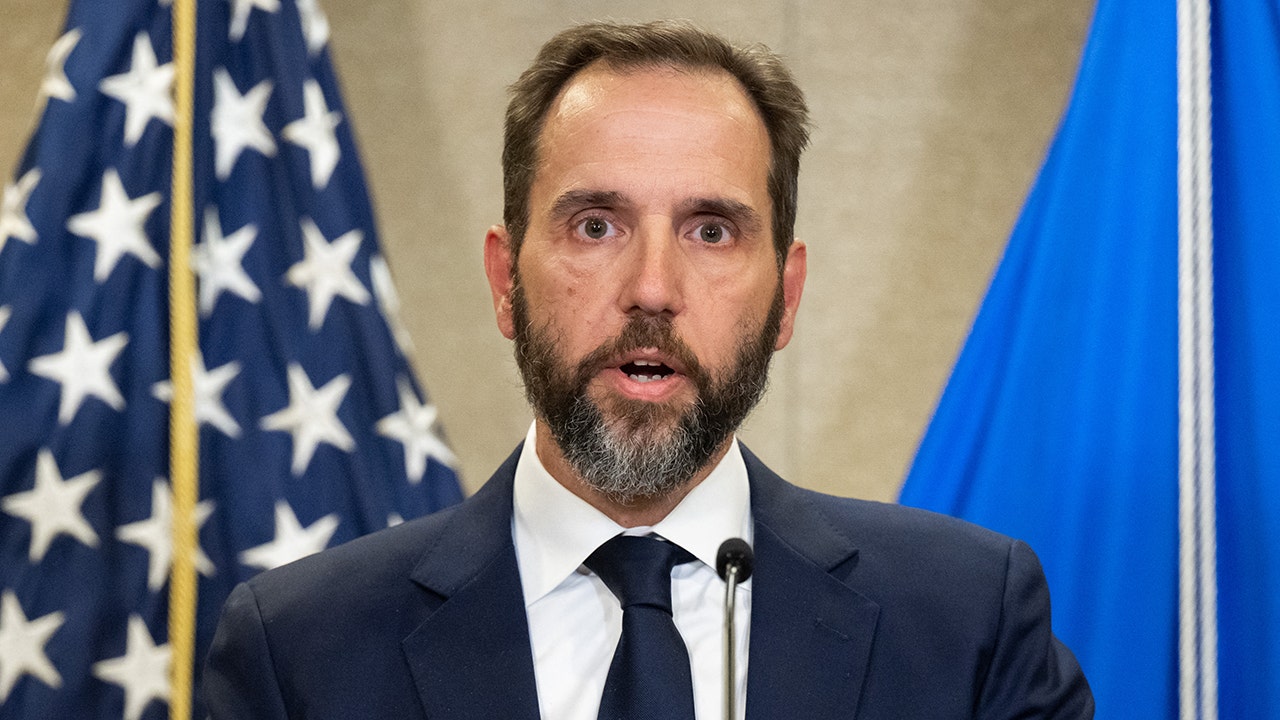
This article discusses recent developments regarding the prosecution of former President Donald Trump by Special Counsel Jack Smith in relation to Trump's speech on January 6th. Legal scholar Jonathan Turley argues that Trump's speech was protected by the First Amendment, citing Supreme Court cases like Brandenburg v. Ohio and United States v. Alvarez, which protect even false or controversial political speech unless it incites imminent lawless action. The article notes that the Washington Post, which had previously supported Smith's prosecution, has now acknowledged that the case against Trump would have undermined free speech protections. The article criticizes Smith's apparent disregard for constitutional precedent and his attempts to limit Trump's ability to speak publicly during his prosecution. It also highlights the dangers of creating exceptions to free speech protections, which could be exploited in the future by those in power.
Biblical Reflection
From a biblical perspective, the inherent value of truth, justice, and the protection of individual rights are consistent with scripture. The Bible repeatedly warns against false witness and calls for leaders to act justly and righteously (Micah 6:8). However, it also acknowledges the necessity of allowing open discourse, even if some speech is misguided or false, trusting that truth will ultimately prevail (John 8:32). The attempt to criminalize speech, especially political speech, raises concerns about justice and the suppression of conscience and truth-seeking. Christians are called to speak truth in love (Ephesians 4:15) and to advocate for justice (Isaiah 1:17), but also to respect the dignity and rights of all people, including the right to speak freely. Overreaching governmental power that suppresses speech can be seen as contrary to these principles. While Christians should reject deception, they must also be wary of systems that could silence dissent or manipulate truth through force, remembering that freedom is a gift from God and a means for pursuing justice and righteousness.
Scripture in context
This outlook does not yet include contextual Scripture citations. Do not treat a general biblical theme as an exegetical conclusion.
Faithful Response
No prescribed response is offered. Consider the reflection prompts below in your own church context.
Reflection and Discussion
- 1How can Christians balance the call to speak truth with the need to protect freedom of speech for all?
- 2In what ways might the suppression of speech hinder the pursuit of justice and truth in society?
- 3What responsibilities do believers have when political or legal systems threaten fundamental rights?
Sources
Reporting links are evidence inputs; Sanctuary News' biblical reflection is commentary.
This outlook currently relies on fewer than two linked sources. Broaden verification before teaching from it.
- 1.Original reportprimary