News Summary
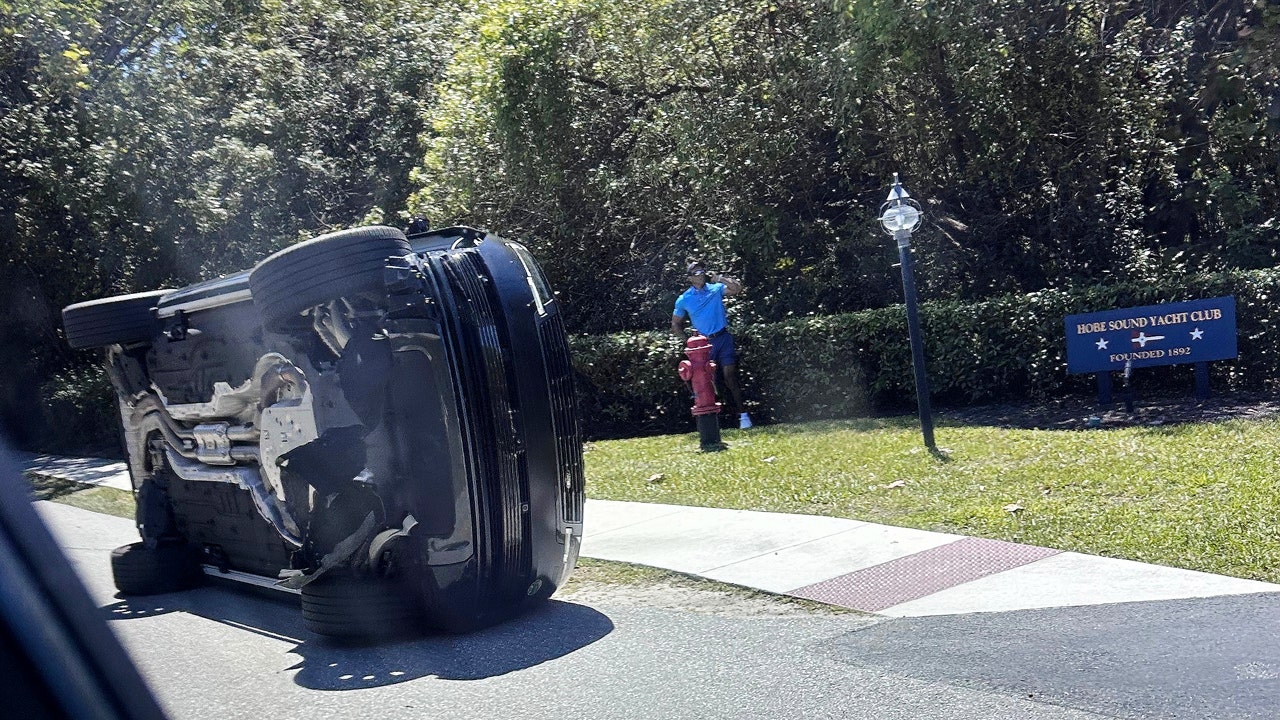
Tiger Woods was involved in a single-vehicle crash on Jupiter Island, Florida, in which his SUV collided with another car and rolled onto its driver's side. Woods was standing outside the vehicle and speaking on the phone; no one was hurt. Martin County Sheriff John Budensiek said Woods was traveling at a "high rate of speed" and "exemplified signs of impairment." Officers conducted roadside tests; authorities reported Woods blew "triple-zeroes" for alcohol at the scene and later refused a urinalysis at the jail. Woods was arrested and charged with misdemeanor counts of driving under the influence (DUI), property damage, and refusal to submit to a lawful test. Former football player Johnny Manziel posted on X, referencing Waymo and expressing concern for Woods' well-being. The article notes Manziel's past struggles with drugs and alcohol and includes official statements from the sheriff's office confirming the charges.
Biblical Reflection
This story highlights several intersecting realities: the very real consequences of impaired driving, the public scrutiny that follows high-profile people, and the quick, often flippant responses social media encourages. Biblically, human beings are fallen and prone to temptation and error (Romans 3:23). The legal accountability here is appropriate — the law exists to protect others and to hold people responsible for harmful actions (Romans 13:1-4). At the same time Christians are called to respond to sinners with both truth and grace: to avoid gloating over another's failure (Proverbs 24:17) and to offer restoration where possible (Galatians 6:1). Media coverage and social-media commentary frequently emphasize spectacle and judgment; discernment is needed so we neither minimize the harm (e.g., impaired driving) nor celebrate a person's downfall. For those struggling with addiction or substance misuse, the Christian response should center on compassion, honest accountability, and support toward repentance and recovery, while recognizing that justice systems also play a role in protecting the vulnerable and enforcing consequences.
Scripture in context
This outlook does not yet include contextual Scripture citations. Do not treat a general biblical theme as an exegetical conclusion.
Faithful Response
No prescribed response is offered. Consider the reflection prompts below in your own church context.
Reflection and Discussion
- 1How does the way media and social platforms amplify quick reactions shape our moral imagination—do they push us toward mockery or toward mercy?
- 2In what ways should Christians balance support and compassion for a struggling person with honest acknowledgment of legal and moral accountability?
- 3What assumptions about celebrity, privacy, and public correction are revealed by highlighting a public figure's personal failure?
Sources
Reporting links are evidence inputs; Sanctuary News' biblical reflection is commentary.
This outlook currently relies on fewer than two linked sources. Broaden verification before teaching from it.
- 1.Original reportprimary