News Summary
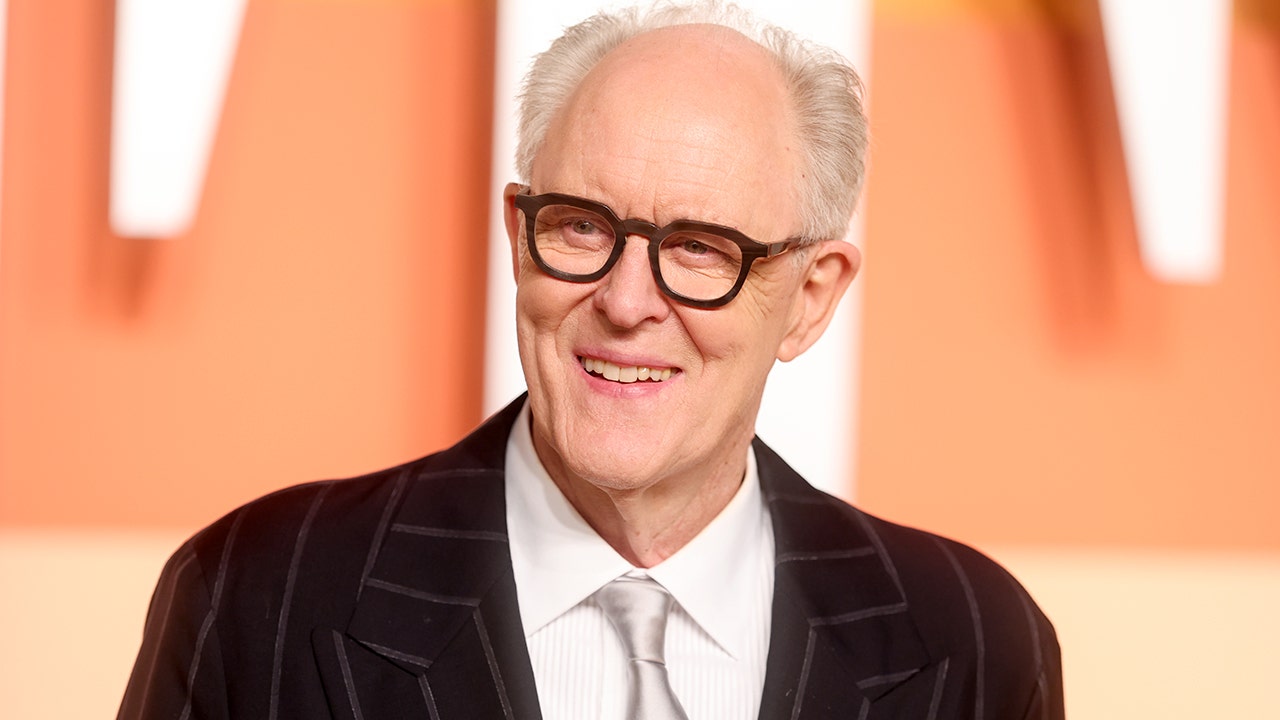
Reports say actor John Lithgow, cast as Albus Dumbledore in HBO’s upcoming multi-season adaptation of J.K. Rowling’s Harry Potter books, considered quitting the project because of backlash tied to Rowling’s public views on transgender issues. Lithgow has stated he does not agree with Rowling’s positions and has never met her, but decided to remain in the series after weighing the matter. He defended the production team and the story’s themes—acceptance, good versus evil—and said there was no transphobic content in the adaptation. The New York Times noted Lithgow’s engagement with queer culture and cited reactions from some non-binary colleagues who found his participation “disconcerting.” Lithgow acknowledged the controversy would follow him in interviews moving forward and said he took criticism seriously while emphasizing his attraction to the creative team and the role as a late-career commitment.
Biblical Reflection
This story raises several scriptural and pastoral concerns Christians should weigh. First, the Bible calls believers to hold truth and compassion together: to speak truth but in love (Ephesians 4:15) and to defend the vulnerable (Isaiah 1:17; James 1:27). When public figures voice convictions that many experience as harmful, Christians are called both to name injustice and to treat persons with dignity. Rowling’s outspoken critique of transgender ideology has caused real pain for transgender people; responding to that pain with empathy reflects Christlike compassion. At the same time, Christians can disagree with particular ideological positions without dehumanizing those who hold them, seeking dialogue rather than reflexive vilification. Lithgow’s struggle—whether to disassociate from a work because of its creator’s views—touches on biblical guidance about conscience, stewardship of one’s witness, and the complexity of association. The New Testament offers precedent for separating a person’s teaching from the fruit of their work (Acts 15, distinctions Paul draws between partnership and complicity). Christians should also beware of a reactive cancel culture that refuses repentance or dialogue; Matthew 18’s call to private correction and restoration is a corrective to instant public ruin, while Scripture also supports accountability for harmful speech or actions. Practically, the faithful response is to pursue both truth and mercy: protect the dignity of those harmed, hold convictions publicly but humbly, prioritize reconciliation when possible, and make vocational decisions guided by conscience, witness, and care for neighbors. Finally, this moment is a reminder that art and culture can point toward good—stories that teach acceptance and resist bigotry—even if creators or participants are flawed; discernment is required to decide when engagement amplifies good fruit or perpetuates harm.
Scripture in context
This outlook does not yet include contextual Scripture citations. Do not treat a general biblical theme as an exegetical conclusion.
Faithful Response
No prescribed response is offered. Consider the reflection prompts below in your own church context.
Reflection and Discussion
- 1When a public figure or creator expresses views I find harmful, how can I balance truth-telling with compassion toward the people affected?
- 2Does participating in a project by a controversial creator compromise my witness, or can it be a platform for promoting values of dignity and justice?
Sources
Reporting links are evidence inputs; Sanctuary News' biblical reflection is commentary.
This outlook currently relies on fewer than two linked sources. Broaden verification before teaching from it.
- 1.Original reportprimary