News Summary
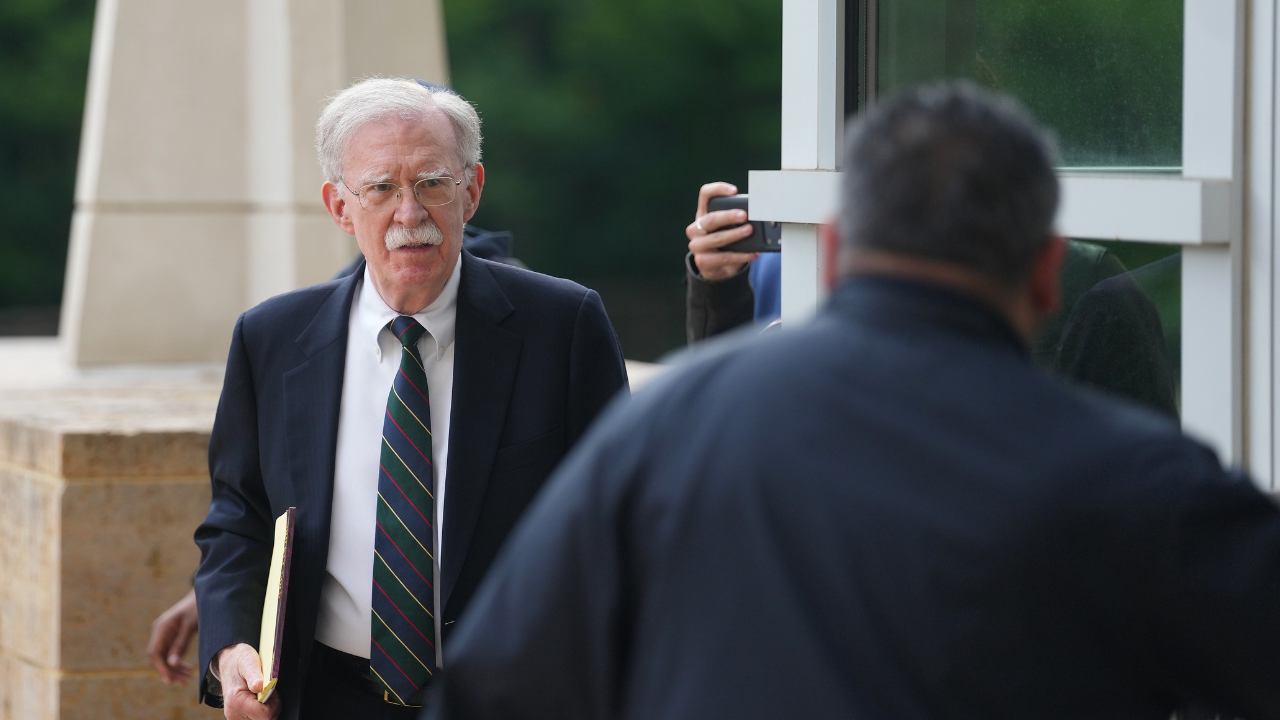
Former National Security Advisor John Bolton pleaded guilty on June 26, 2026 in federal court in Greenbelt, Maryland to a single count (count 12) of an 18-count indictment alleging unauthorized possession of a document related to national defense. He did not receive a sentence at the hearing. Under the plea, both sides agreed that five years is the maximum prison time that can be imposed for this count, though the statutory maximum for the count is 10 years. Prosecutors outlined additional penalties Bolton faces: a $2.25 million fine (half of which should be paid within five days), a required debriefing with a U.S. intelligence committee, three years of supervised release, up to 100 hours of community service, and forfeiture of any federal annuity or retirement. Bolton waived his right to appeal the conviction and sentence but retains the right to withdraw his guilty plea before sentencing; the judge has up to 90 days to impose sentence. The indictment, stemming from searches of Bolton’s home and office in August 2025 and an October indictment, alleged that from about April 9, 2018 through at least Aug. 22, 2025 Bolton shared more than a thousand pages of classified material (including TOP SECRET/SCI-level material) with two unauthorized individuals and unlawfully retained classified documents at his home. Prosecutors said some documents described intelligence about future attacks by an adversarial group, a liaison partner sharing sensitive information with U.S. intelligence, and a planned foreign missile launch. The plea resolves only one count; the article notes the matter is a developing story.
Biblical Reflection
This case sits at the intersection of civic duty, national security, and personal accountability. The facts reported are specific and legalistic, but the broader moral questions are clear: entrusted power carries responsibilities, and mishandling sensitive information can endanger lives and partnerships. The plea demonstrates the legal system operating to hold a former senior official accountable, yet the negotiated limits (a single-count plea, capped exposure to prison time, ability to withdraw the plea before sentencing) are reminders that legal outcomes often reflect bargaining, not simple moral arithmetic. Readers should watch for partisan framing — media coverage can emphasize political implications over the concrete harms to intelligence sources or operations — and resist treating this solely as a score in political warfare. From a Christian perspective, truth and justice require acknowledging wrongdoing, repairing harm where possible, and applying impartial accountability, especially for those in leadership. Mercy and humility also matter: justice should not become vengeance, and repentance with concrete restitution is a path toward restoration. Pray for the protection of those harmed by leaks, for wise and transparent legal process, and for public leaders to practice faithful stewardship of what is entrusted to them.
Scripture in context
This outlook does not yet include contextual Scripture citations. Do not treat a general biblical theme as an exegetical conclusion.
Faithful Response
No prescribed response is offered. Consider the reflection prompts below in your own church context.
Reflection and Discussion
- 1Are we evaluating this case by consistent standards of justice and national safety, or through partisan loyalties that obscure real harm?
- 2How should Christian citizens weigh the need for government transparency against the moral responsibility to protect lives and partners that rely on secrecy?
- 3What does this event reveal about the character qualities we need in public servants — humility, honesty, and a willingness to accept consequences?
Sources
Reporting links are evidence inputs; Sanctuary News' biblical reflection is commentary.
This outlook currently relies on fewer than two linked sources. Broaden verification before teaching from it.
- 1.Original reportprimary