News Summary
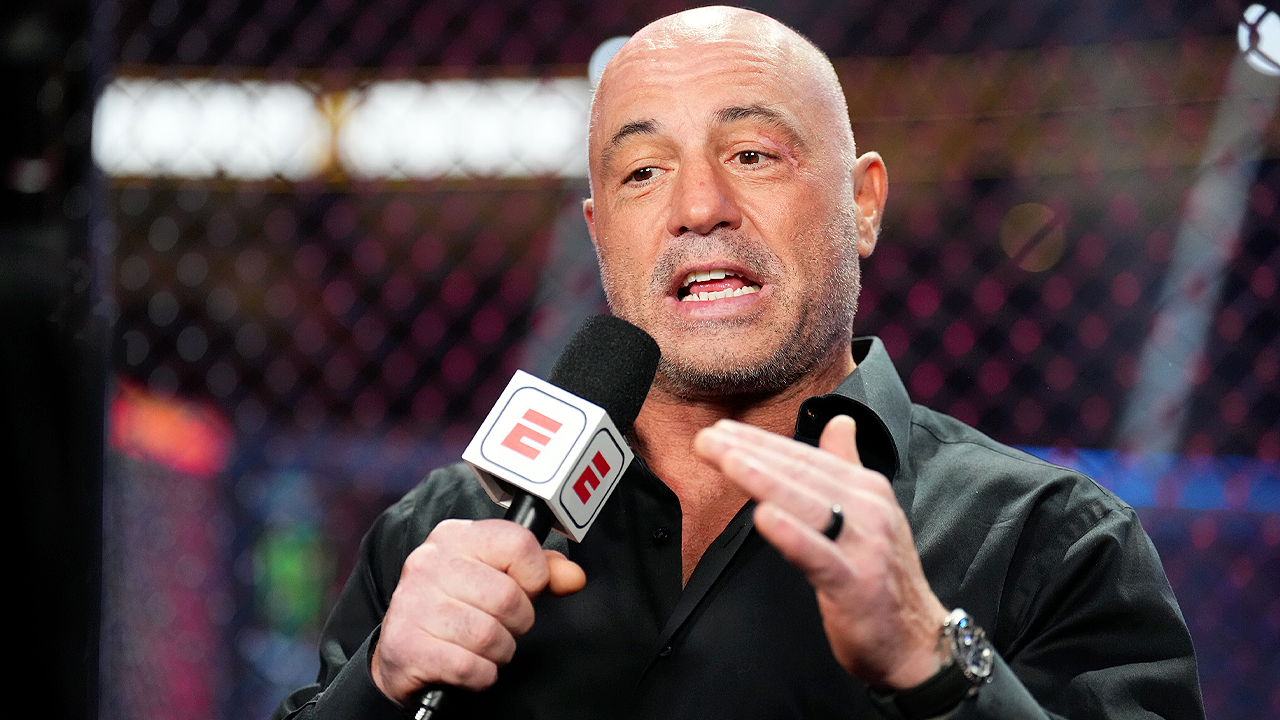
Joe Rogan, on his podcast, criticized fellow comedians who condemned the recent Netflix roast of Kevin Hart, calling them 'traitors' and saying they should understand that roasts are intentionally brutal and politically incorrect. The roast included controversial jokes that drew widespread criticism, notably Tony Hinchcliffe’s joke that appeared to reference George Floyd. Rogan argued that while the general public may not understand roast culture, seasoned comedians who publicly denounce the roast are acting performatively to boost themselves. Harland Williams agreed with Rogan’s defense of roast tradition. Kevin Hart defended the performers on the roast and said he was not responsible for others' jokes; he also said he would not feel compelled to demonstrate concern for offended viewers on demand. The article notes the broader backlash from various communities and public figures and reports comments from both Rogan and Hart defending the event as part of roast culture.
Biblical Reflection
This story raises familiar tensions between freedom of expression in art and the ethical responsibility to avoid causing needless harm. From a Christian perspective, truth-seeking requires acknowledging both facts Rogan emphasizes (roasts are an established comedic form that rely on transgressive, provocative material) and the real hurt such material can cause when it targets vulnerable groups or references recent trauma. The article’s framing privileges the perspective of defending an art form and highlights possible performative outrage among critics, but it gives less space to the experiences of those offended. Christians should resist binary thinking that collapses the issue to either pure artistic liberty or pure censorship. We must weigh the gospel values of honesty and courage alongside mercy and neighbor-love: defending legitimate artistic practices does not excuse cruelty or dehumanization. Likewise, public condemnation that seeks virtue signaling rather than constructive dialogue or genuine accountability should be called out. Ultimately, pursuing truth here means listening to those harmed, holding creators and platforms accountable to common-sense standards of decency, and advocating for speech that is free yet responsible. Humility is required on all sides—comedians, platforms, and critics—to allow repentance, repair, and clearer norms about where satire crosses into needless humiliation.
Scripture in context
This outlook does not yet include contextual Scripture citations. Do not treat a general biblical theme as an exegetical conclusion.
Faithful Response
No prescribed response is offered. Consider the reflection prompts below in your own church context.
Reflection and Discussion
- 1Are defenses of 'roast culture' accurately accounting for the harm certain jokes cause, or are they sometimes protecting a profession at the expense of vulnerable people?
- 2When public figures condemn or defend controversial speech, how much is principled concern and how much is performative self-interest?
- 3How should communities balance artistic freedom with a responsibility to listen to those who say they were harmed by that art?
Sources
Reporting links are evidence inputs; Sanctuary News' biblical reflection is commentary.
This outlook currently relies on fewer than two linked sources. Broaden verification before teaching from it.
- 1.Original reportprimary