News Summary
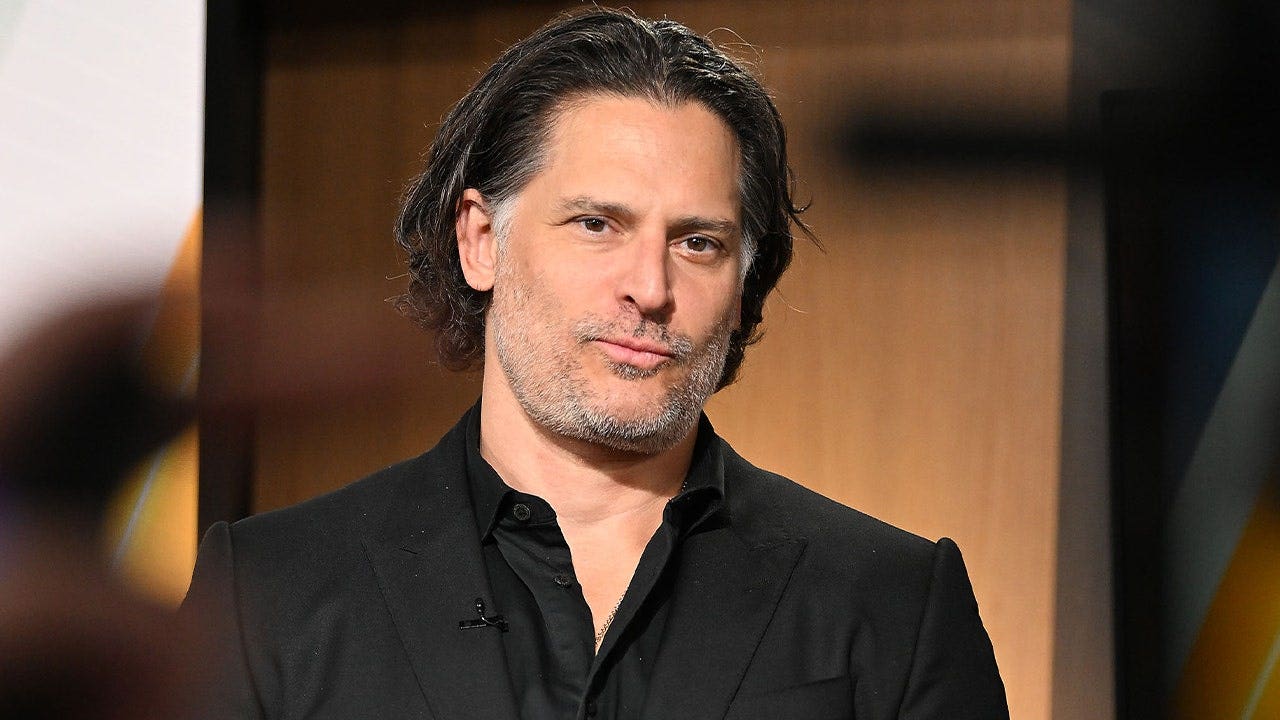
Actor Joe Manganiello publishes a memoir titled Bloodlines describing a seven-year medical struggle marked by multiple near-death experiences and a cascade of autoimmune-related illnesses that affected his skin, thyroid, eyes, lungs and digestive system. During that period he experienced chronic pain, an organ amputation and prolonged treatment with few medical answers. In seeking relief and meaning he researched his genealogy (finding ancestors who survived the Armenian genocide) and pursued non‑medical avenues including shamans, pagan rituals, ancient myths and renewed spiritual practices. Manganiello says writing the book gave him perspective and hope. The article also notes his personal life updates: he and Caitlin O’Connor returned to Pittsburgh, they were engaged in 2025, and Manganiello divorced Sofía Vergara after seven years of marriage.
Biblical Reflection
This report is a human-interest account of a high-profile suffering that highlights two common responses: the limits of medicine in some chronic conditions and the human search for meaning beyond clinical care. The article neutrally reports Manganiello’s turn to non‑Christian spiritual practices without evaluating their truth claims; readers should notice that celebrity testimony about healing methods is anecdotal, not scientific proof. From a Christian pastoral perspective, his honesty about pain and the quest for healing invites compassion and solidarity—we are called to lament with those who suffer and to help bear burdens. At the same time, Christians are urged to apply discernment about spiritual practices: engaging with other traditions may yield personal insight, but truth claims that contradict core Christian teaching deserve gentle, scriptural testing. The piece also points to legitimate themes of inherited trauma and the need for community, therapy, and wise medical care alongside spiritual support. Pastoral responses should combine mercy (compassion for his suffering), humility (avoid quick judgments), truth (clear discernment about spiritual practices), and neighbor-love (practical support for those in chronic illness).
Scripture in context
This outlook does not yet include contextual Scripture citations. Do not treat a general biblical theme as an exegetical conclusion.
Faithful Response
No prescribed response is offered. Consider the reflection prompts below in your own church context.
Reflection and Discussion
- 1What assumptions about healing and spiritual authority does the article leave unexamined when it presents shamanic or pagan practices as helpful?
- 2How can Christians hold both openness to mystery and firm commitment to Christ when evaluating alternative spiritual practices described by celebrities?
- 3What forms of community, medical care, and pastoral support are most reliable for people living with chronic illness—beyond testimonial remedies?
Sources
Reporting links are evidence inputs; Sanctuary News' biblical reflection is commentary.
This outlook currently relies on fewer than two linked sources. Broaden verification before teaching from it.
- 1.Original reportprimary