News Summary
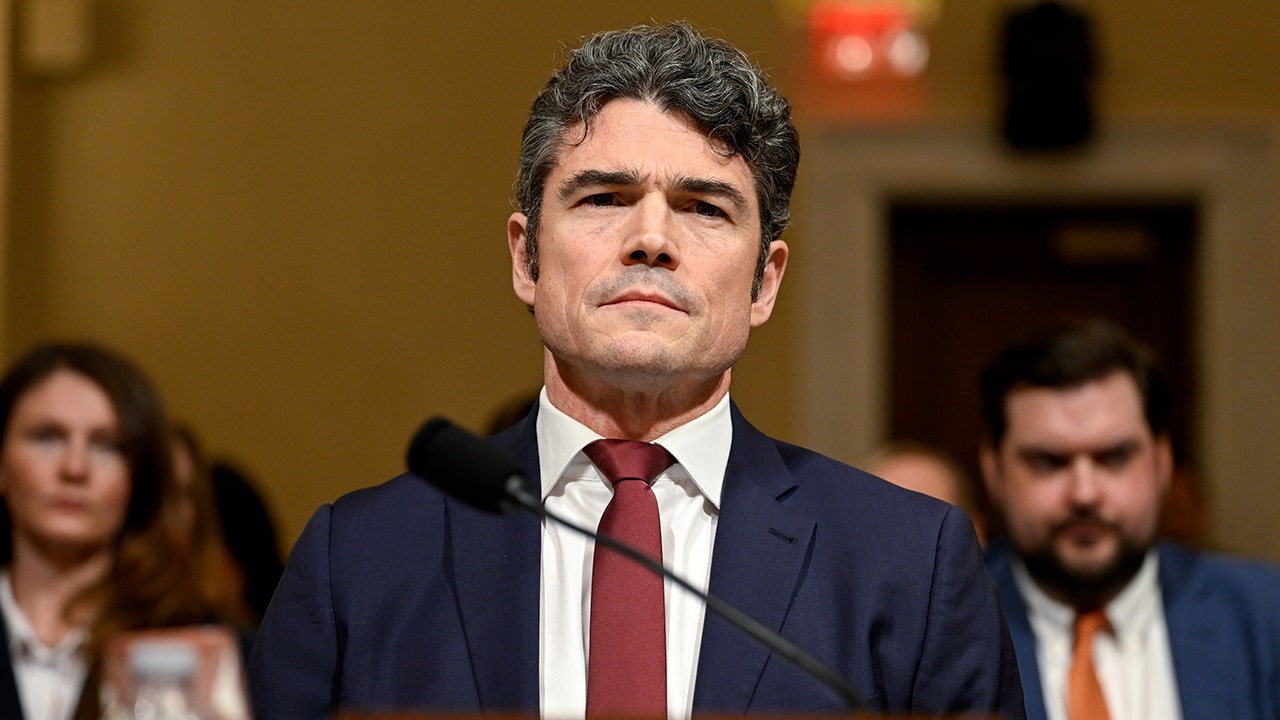
Former National Counterterrorism Center director Joe Kent released a social media video endorsing Mark Lynch in the South Carolina Republican U.S. Senate primary, urging voters to replace incumbent Sen. Lindsey Graham because he called Graham a “war hawk, neocon” and criticized U.S. involvement in Middle East conflicts. Kent, who resigned his government post in March citing opposition to the war in Iran and alleging the war was driven by outside lobbying, said South Carolina voters could "stop sending billions of dollars overseas" by voting Lynch on June 9. The Graham campaign noted President Donald Trump’s prior denunciations of Kent and listed Graham’s endorsements from multiple Republican officials and pro-life organizations; Trump has publicly endorsed Graham and called Lynch a "lunatic" in a Truth Social post. Lynch has expressed support for other staunchly pro-Second Amendment, anti-establishment Republicans and has been criticized by Trump for past associations with Rep. Thomas Massie. The article reports statements from all sides and situates the endorsement in the context of intra-party contests over foreign policy and alignment with Trump’s influence in the GOP.
Biblical Reflection
This story sits at the intersection of political power and questions of war and peace. Kent’s endorsement is driven primarily by his opposition to U.S. military action in Iran and reflects a moral concern about the human and fiscal costs of war — concerns Christians can affirm as stewardship of life and resources. At the same time, the exchange features sharp personal attacks, partisan endorsements, and appeals to tribal loyalty (including Trump’s public rebukes), which can distort public judgment and encourage reactionary rather than thoughtful decision-making. From a Christian vantage point, truth-seeking asks voters to separate personality-driven rhetoric from substantive policy questions: who will protect the common good, pursue peace where possible, and exercise humility before the realities of war? Mercy and neighbor-love require resisting dehumanizing language and asking how political choices affect civilian lives abroad and civic life at home. Christians should neither idolize political figures nor treat peace advocacy as partisan loyalty; rather, evaluate claims on their factual merits and their alignment with the pursuit of justice, peace, and wise stewardship.
Scripture in context
This outlook does not yet include contextual Scripture citations. Do not treat a general biblical theme as an exegetical conclusion.
Faithful Response
No prescribed response is offered. Consider the reflection prompts below in your own church context.
Reflection and Discussion
- 1Are you responding primarily to personality and partisan signaling, or are you weighing the concrete policy consequences (especially on war and peace) of the candidates?
- 2When leaders use demeaning language to dismiss critics, does that strengthen truth or silence important moral objections we ought to hear?
- 3How should concerns about national security and military action be balanced with the Christian call to pursue peace and protect civilian life?
Sources
Reporting links are evidence inputs; Sanctuary News' biblical reflection is commentary.
This outlook currently relies on fewer than two linked sources. Broaden verification before teaching from it.
- 1.Original reportprimary