A little more detail
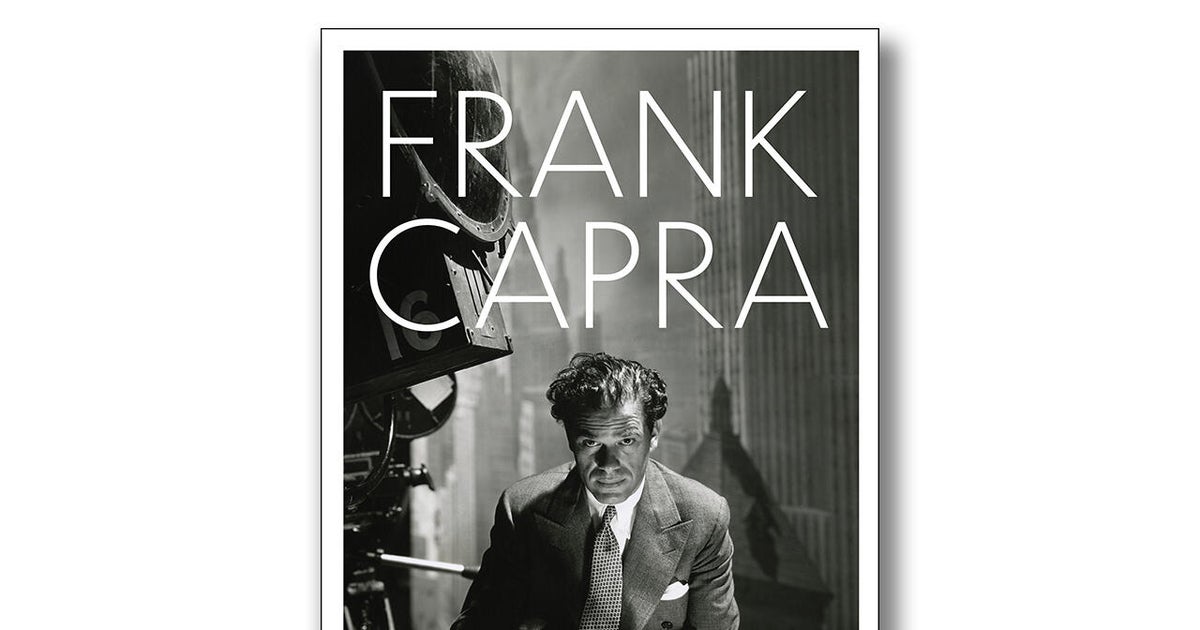
A CBS News item republishes an excerpt from Sam Wasson's biography Frank Capra: A Life reporting that Jimmy Stewart, returning to films after World War II, was nervous about appearing in Frank Capra's 1946 film It's a Wonderful Life. The excerpt also characterizes the film as now regarded among Stewart's best work.
Source and Framing Analysis
Source: a book excerpt (Sam Wasson) republished by CBS News. Framing: sympathetic and retrospective—connecting Stewart's wartime service to an emotional reaction on returning to screen and placing the film within a positive legacy. Strengths: concise, humanizing detail that highlights Stewart's vulnerability after service and signals the film's later reputation. Limitations and omissions: the supplied excerpt fragment gives no direct quotation from Stewart or contemporaries, no citation of primary documents (letters, interviews, production records) to explain why he was nervous, and no timeline showing how the film's reputation developed from initial release to later acclaim. The evaluative claim that the film is “one of his very best” is interpretive and not substantiated here with critical metrics or broader sourcing. In short: useful as a human-interest biographical note drawn from a single biographer’s reporting, but not a comprehensive evidentiary account.
How sources covered this story
Sanctuary separately assesses reporting quality and alignment with Christian virtues. The virtues assessment considers truthfulness, dignity, compassion, justice, peacemaking, humility, and care for vulnerable people. It does not assess a publisher's faith or reward religious language.
Compare 1 reports
Reporting 75/100Virtues 78/100
- Distinctive contribution
- States Stewart's nervousness about appearing in the film after WWII and frames the film retrospectively as among his best work—details that are not mere repetition of a title and add personal/emotional context.
- Framing
- Sympathetic and retrospective: connects Stewart's wartime service to his emotional state returning to film and places the movie in a positive, established legacy.
- Omissions or uncertainty
- No attribution or supporting evidence for Stewart's nervousness is given in the supplied sentence; no explanation of why he was nervous, nor temporal nuance about the film's initial reception versus its later acclaim. The excerpt lacks direct quotation, sourcing within the excerpt, and broader context.
- Why these scores
- As a short book excerpt, the sentence is clear and relevant to its apparent purpose (teasing a book chapter). It conveys factual-seeming claims succinctly. However, the supplied fragment does not provide attribution or supporting detail for the claim about Stewart's nerves or document how the film's reputation developed, limiting its evidentiary strength in isolation. The excerpt treats a historical figure respectfully, noting wartime service and understandable apprehension—showing empathy and preserving dignity. It does not sensationalize or dehumanize; however, it also does not explicitly engage with justice, peacemaking, or care for the vulnerable beyond respectful phrasing, so the score reflects solid but not exceptional alignment.
Biblical Reflection
From a Christian perspective, this anecdote invites humility and compassion: public acclaim can coexist with private anxiety, especially for those who have served in war. We should welcome truthful reporting that preserves human dignity and use such stories to remember the duty of care toward veterans, artists, and others whose service exposes them to stress. Appreciate art for how it can reflect neighbor-love and moral imagination, but avoid idolizing cultural memory or flattening complex histories. Pastoral priorities here include offering support to returning veterans, honoring vulnerability, and stewarding cultural memory with both gratitude and critical sobriety.
Scripture in context
- 1 — Paul writes to a community facing uncertainty and anxious care for one another, encouraging them to bring worries to God in prayer and to seek a peace that guards hearts and minds. — When encountering a report that a returning veteran and public figure was nervous, this passage invites responses of compassionate attention, prayerful concern, and communal care rather than dismissal or sensationalizing of fear.
Faithful Response
Read the excerpt as a humanizing biographical detail from a single biographer and avoid forming definitive historical judgments without further sources.
Offer prayer and pastoral care for veterans and artists who may carry private anxieties despite public roles.
Celebrate the film’s moral imagination where it aligns with truth and neighbor-love, but also hold space to examine its historical context and limits.
Encourage congregations and communities to support returning service members and creative workers practically (listening, referrals to counseling, fellowship) and to resist nostalgia that erases complexity.
Reflection and Discussion
- 1How does knowing that a celebrated actor felt anxious after wartime service change our remembrance of cultural icons?
- 2What concrete ways can faith communities support veterans and artists who struggle privately while serving publicly?
- 3How should Christians balance gratitude for influential works of art with critical engagement about their historical context and cultural memory?
Sources
Reporting links are evidence inputs; Sanctuary News' biblical reflection is commentary.
This is a developing, single-source report. Details may change as more reporting becomes available.
- 1.Book excerpt: "Frank Capra: A Life" by Sam Wassonprimary_reporting