News Summary
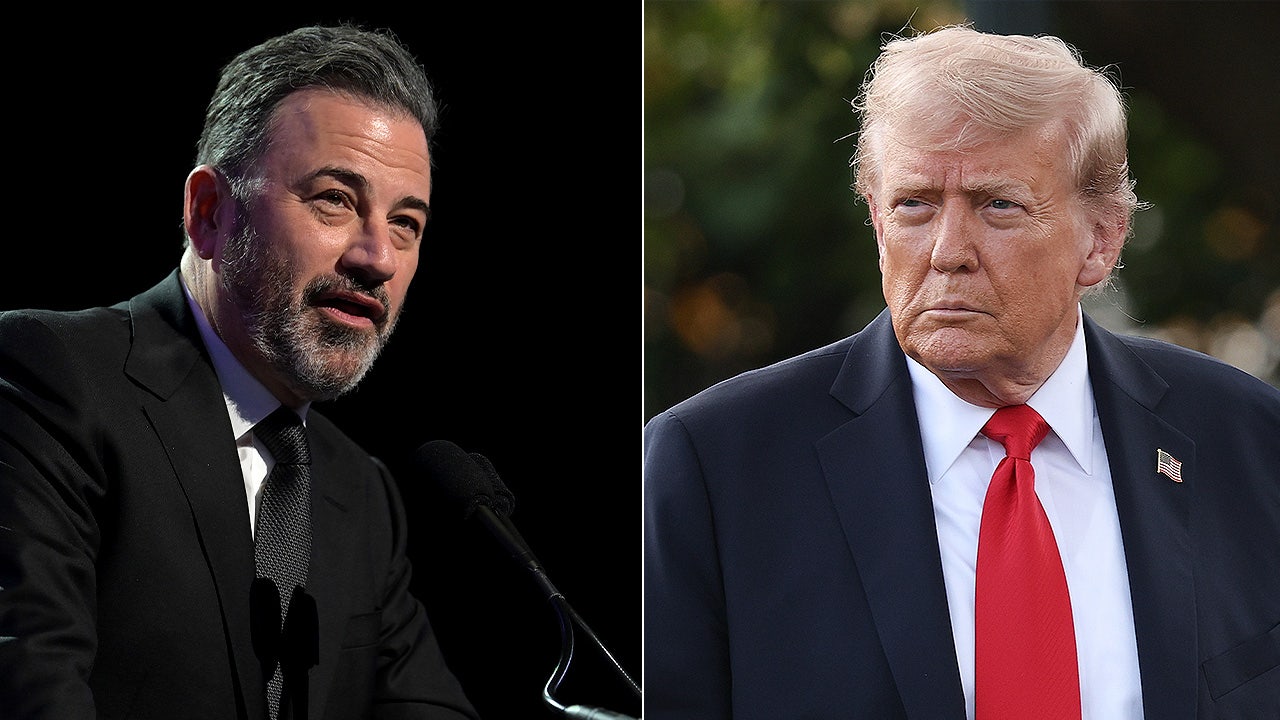
Jimmy Kimmel, American late-night television host, delivered Channel 4’s 'Alternative Christmas Message' in the UK, using the platform to criticize President Donald Trump and comment on the state of free speech in the United States. Kimmel claimed that 'tyranny is booming' in the US, referencing the temporary removal of his show from the air after controversial remarks about the alleged assassin of conservative activist Charlie Kirk. He recounted how public outcry, even from critics, led to the show's reinstatement, which he called a 'miracle.' Kimmel concluded by apologizing to the UK audience for Trump's actions and made jokes about Americans' global reputation. The White House responded dismissively to Kimmel's comments. The episode highlights tensions around media freedom, political criticism, and the interplay between entertainment and political discourse.
Biblical Reflection
From a biblical perspective, the article raises important questions about the use of speech, the responsibility that comes with influence, and the temptation to mock or belittle others—especially those in authority. Scripture acknowledges the value of truth-telling and the importance of holding leaders accountable (Proverbs 31:8-9), but it also cautions against slander, pride, and stirring up division (Ephesians 4:29, Titus 3:2). The tone of Kimmel’s remarks—marked by sarcasm, ridicule, and national embarrassment—reflects a culture where public discourse often leans toward contempt rather than constructive criticism or peacemaking. Christians are called to be both courageous in advocating for justice and humble in speech, avoiding the temptation to repay mockery with mockery or to let partisanship override love for neighbor and respect for all. The story also points to the importance of freedom of speech, a principle aligned with the biblical call to 'speak the truth in love' (Ephesians 4:15) but one that should be exercised with wisdom, grace, and a view toward reconciliation rather than escalation.
Scripture in context
This outlook does not yet include contextual Scripture citations. Do not treat a general biblical theme as an exegetical conclusion.
Faithful Response
No prescribed response is offered. Consider the reflection prompts below in your own church context.
Reflection and Discussion
- 1How do I use my words when discussing those with whom I disagree, especially leaders and public figures?
- 2Am I more prone to mock or to seek understanding and reconciliation in my conversations?
- 3How can I balance advocating for truth and justice with maintaining respect and humility in my speech?
Sources
Reporting links are evidence inputs; Sanctuary News' biblical reflection is commentary.
This outlook currently relies on fewer than two linked sources. Broaden verification before teaching from it.
- 1.Original reportprimary