News Summary
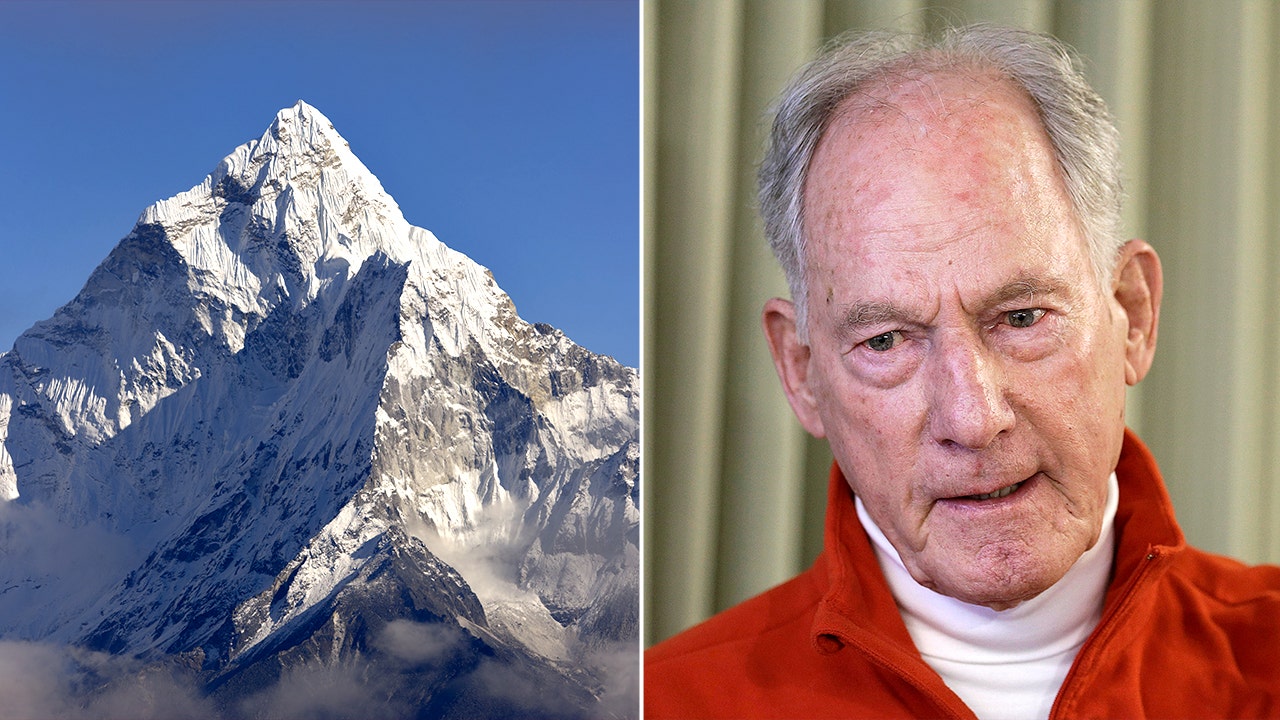
Jim Whittaker, who in 1963 became the first American to reach the summit of Mount Everest (alongside Nawang Gombu), has died at age 97 at his home in Port Townsend, Washington, according to a family statement. Whittaker began working at outdoor co-op REI in 1955, later serving as its president and CEO from 1971 to 1979; REI membership grew substantially during his tenure. His family credits him with advocacy that helped establish protected areas including North Cascades National Park, the Pasayten Wilderness and Redwood National Park. Whittaker led or participated in notable climbs such as the 1990 Mount Everest International Peace Climb and a 1981 ascent of Mount Rainier with 10 disabled climbers. He was a friend of Robert F. Kennedy and was present when Kennedy died. He climbed Mount Rainier more than 100 times. He is survived by his wife Dianne Roberts, sons Bob, Joss and Leif Whittaker, three grandchildren, and one great-grandchild. The report notes his public persona of humility, stewardship of wild places, and efforts to use shared outdoor challenges to foster cooperation and goodwill.
Biblical Reflection
This obituary highlights human gifts — courage, leadership, and a love for God’s creation — and the use of influence to protect wild places and bring people together. The article's framing is primarily celebratory and biographical; it relies on family statements and public records of Whittaker's climbs and conservation work. There is little partisan or ideological framing beyond praising his advocacy for national parks and conservation.
From a biblical perspective, Whittaker’s life models stewardship (care for creation), service (using fame to advance public goods), and community (uniting people across borders). Scripture calls God the creator and owner of the earth (Psalm 24:1), and it encourages wise stewardship of what we have been given (Matthew 25:14–30). At the same time, Christians should resist elevating human achievement into ultimate sources of meaning. Admiration for courage and skill is appropriate, but our worship and ultimate hope belong to God alone. The article largely aligns with objective truth about his accomplishments and influence; any sentimental tone is typical of obituaries and does not obscure facts. Readers should celebrate a life well lived while remembering mortality, giving thanks for the gift of creation, and asking how public influence can serve common good rather than self-glorification.
Scripture in context
This outlook does not yet include contextual Scripture citations. Do not treat a general biblical theme as an exegetical conclusion.
Faithful Response
No prescribed response is offered. Consider the reflection prompts below in your own church context.
Reflection and Discussion
- 1How does admiration for human achievement in nature point us toward gratitude for the Creator rather than toward celebrity or self-exaltation?
- 2In what ways should Christians balance honoring pioneers who promote conservation with the biblical call to remember that all creation belongs to God?
- 3Does the article encourage stewardship and common good without turning the person into an idol — and how should we evaluate similar portrayals in other media?
Sources
Reporting links are evidence inputs; Sanctuary News' biblical reflection is commentary.
This outlook currently relies on fewer than two linked sources. Broaden verification before teaching from it.
- 1.Original reportprimary