News Summary
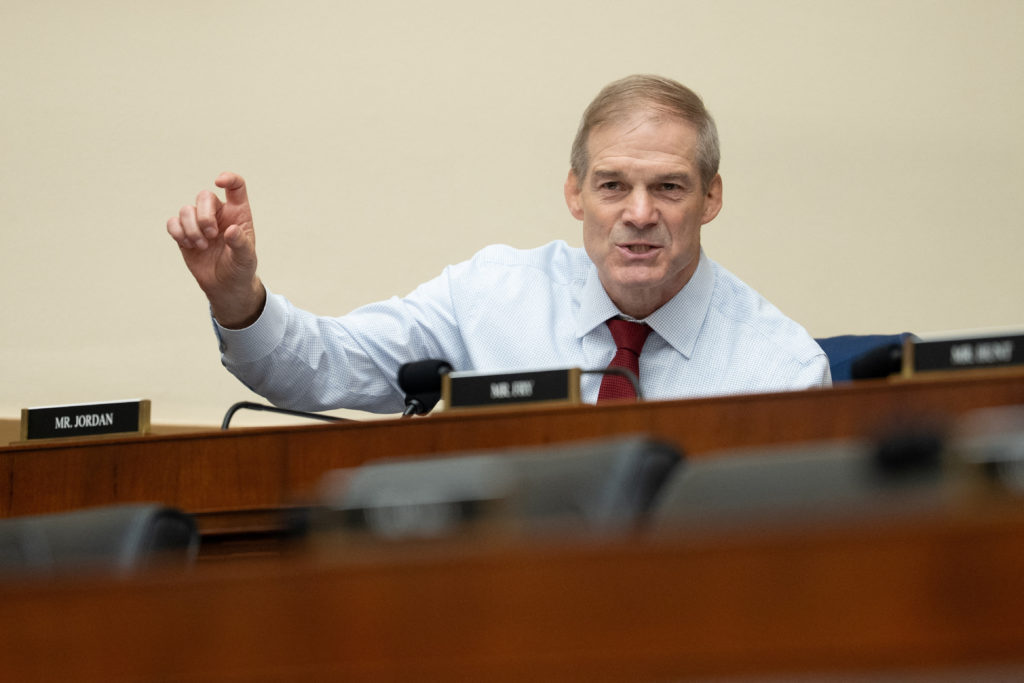
Reported facts: Rep. Jim Jordan formally referred Special Counsel Jack Smith to the Department of Justice for possible prosecution, tied to alleged misleading closed-door testimony about whether Smith had obtained congressional records during his investigation of efforts to overturn the 2020 election. Attributed claims: the referral asserts Smith may have misled lawmakers; Smith’s lawyers claim he testified truthfully. Uncertainties: the article does not provide testimony transcripts, the specific records at issue, the DOJ response, or independent corroboration.
Source and Framing Analysis
The story is a single short report from PBS NewsHour summarizing the referral and the denial. It lacks documentary evidence (transcripts, referral text), independent corroboration, and responses from the Justice Department. The framing is factual but minimal; absence of detail leaves open important questions about motive, scope, and substance. Readers should treat the referral as an allegation requiring further verification rather than as a settled finding.
Biblical Reflection
This short report presents an allegation of potential misconduct in a high-profile political investigation and a denying response by the target’s lawyers. Christians should notice three things: first, truth-telling matters for the health of public life; second, accusations—especially in partisan contexts—require careful scrutiny and fair process; third, institutional integrity (courts, investigations, and legislative oversight) needs both vigilance and restraint.
The article as presented offers limited evidence and little procedural detail. A faithful Christian response resists the urge to adopt partisan narratives without evidence, prays for truth to emerge, and insists that accountability follow due process rather than public rumor or political theater. We should hold both the accusers and the accused to biblical standards of honesty, humility, and charity.
Finally, Christians can model calm, rational attention: seek primary information, avoid amplifying unverified accusations, and care for neighbors who may be harmed by rushed reputational judgments. Pursuing justice and practicing mercy are not opposed; they are complementary duties for people of faith concerned for the common good.
Scripture in context
- 1Matthew 18:15–17 — Jesus teaches procedures for addressing wrongdoing within a community: private correction first, then escalating steps if the offender does not repent. In its literary setting, the passage addresses relational restoration and accountability among disciples. — The passage supports seeking truth and restoration through orderly, measured processes rather than public shaming; it encourages private clarification and only then wider accountability—an approach relevant to how accusations should be examined publicly and privately.
- 2Ephesians 4:15 — Paul exhorts the church to 'speak the truth in love' as part of growing in Christlikeness and building up the body. The letter addresses how Christians should interact with one another within a community shaped by the gospel. — The counsel warns Christians against careless or vindictive speech; in political disputes we are called to pursue honesty while maintaining compassion and constructive aims, resisting the use of allegations for score-settling.
Faithful Response
Pray for clarity, restraint, and justice rather than immediate partisan vindication.
Seek primary sources (referral document, testimony transcripts, DOJ statements) before forming firm public judgments.
Avoid sharing or amplifying unverified allegations; correct misinformation if you encounter it.
Hold both accusers and accused to biblical standards of honesty, and support fair processes that protect truth and reputation.
Reflection and Discussion
- 1What concrete standards of evidence and procedure should guide a Christian’s willingness to believe or repeat an accusation about public leaders?
- 2In contested public controversies, how can the church embody both a hunger for justice and a posture of mercy?
- 3How does my reaction to allegations about leaders reveal deeper loyalties or fears that Scripture calls me to examine?
Sources
Reporting links are evidence inputs; Sanctuary News' biblical reflection is commentary.
This outlook currently relies on fewer than two linked sources. Broaden verification before teaching from it.
- 1.Rep. Jim Jordan refers Jack Smith for possible prosecution, saying he have have misled on Trump probeprimary_reporting