News Summary
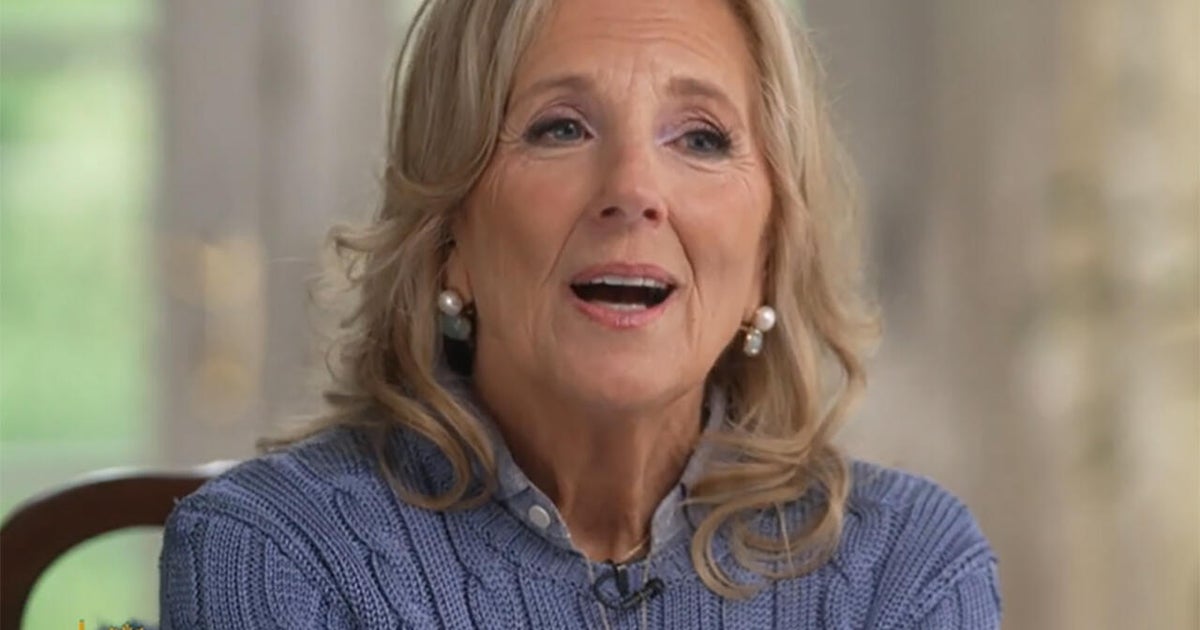
In a May 31, 2026 CBS News interview timed with the publication of her memoir View From the East Wing, former first lady Dr. Jill Biden described life after leaving the White House and addressed several topics about President Joe Biden's time in office. She said the Bidens are living in Delaware and remain active with writing, travel and speaking. Jill Biden revealed that four months after leaving office President Biden was diagnosed with an aggressive stage IV prostate cancer that had spread to his bones, calling the diagnosis a shock; she noted she believes White House medical care was good but that the cancer was missed and referenced guidance on PSA testing for men over 70. On concerns about President Biden’s cognitive fitness while in office, she said she never saw signs of cognitive decline, though acknowledged he was “slowing down” with age and called the presidency an intense job that quickly ages people. She recounted the first 2024 presidential debate as a frightening moment when he appeared confused and said he did not seem to “find himself” afterward. Jill Biden described continuing to teach at a community college while serving as first lady, travel to promote COVID vaccinations and international trips including D-Day commemorations, and supporting their son Hunter during his trial. She said Hunter Biden was convicted on three counts, that she supported Joe Biden’s decision to pardon him and other family members out of concern they would be targeted by the succeeding administration, and that she judged the Justice Department process as unfair. Jill said she opposed pardons for January 6 rioters. Her memoir retains the East Wing title despite writing that President Donald Trump demolished parts of the East Wing to build a ballroom; she described feeling grief at the loss of institutional memory. She said she was not especially worried about retaliation from the Trump administration for publishing the book. Jill Biden also defended her husband’s record—citing jobs, the infrastructure bill and the American Rescue Plan—and described his decision to exit the 2024 race as driven by loss of party backing, which left her heartbroken.
Biblical Reflection
This piece is primarily a personal account and defense of a political family written from the vantage point of a spouse and participant. As Christians we should receive first-person testimony with both compassion and discernment: compassion for the human experiences of illness, aging, fear and family loyalty; discernment because memory, selective emphasis, and protective instincts shape such accounts. Jill Biden’s remarks invite sympathy—especially about a cancer diagnosis and parental response to a child’s legal troubles—but they are also an appeal to shape public memory of an administration and to justify contested decisions (for example, pardons and the choice to stay in a campaign). The article highlights tensions between privacy and public accountability: leaders and their families deserve care and confidentiality in times of sickness, yet the public also has legitimate reasons to ask for transparent information about a president’s fitness for office. The demolition of a historically meaningful space (the East Wing) raises questions about stewardship of public memory and civility across administrations. The account mixes factual reporting (diagnosis, trial outcomes, book publication) with personal interpretation (why decisions were made, assessments of competence). Christians should resist settling into partisan reflexes—either uncritical loyalty or reflexive vilification—and instead practice truth-telling in love. That means seeking corroborating facts where they matter for public trust, advocating mercy for those who are suffering, calling for humility from leaders and their defenders, and promoting accountability that is fair and measured rather than vindictive.
Scripture in context
This outlook does not yet include contextual Scripture citations. Do not treat a general biblical theme as an exegetical conclusion.
Faithful Response
No prescribed response is offered. Consider the reflection prompts below in your own church context.
Reflection and Discussion
- 1How should Christians weigh compassion for a political family against the public's need for transparency about a leader's health and cognitive fitness?
- 2When a personal memoir defends contested choices, what steps should we take to separate sincere testimony from self-justifying narrative?
- 3Does our response to stories like this reflect a commitment to truth and mercy, or are we responding chiefly from partisan loyalty?
Sources
Reporting links are evidence inputs; Sanctuary News' biblical reflection is commentary.
This outlook currently relies on fewer than two linked sources. Broaden verification before teaching from it.
- 1.Original reportprimary