News Summary
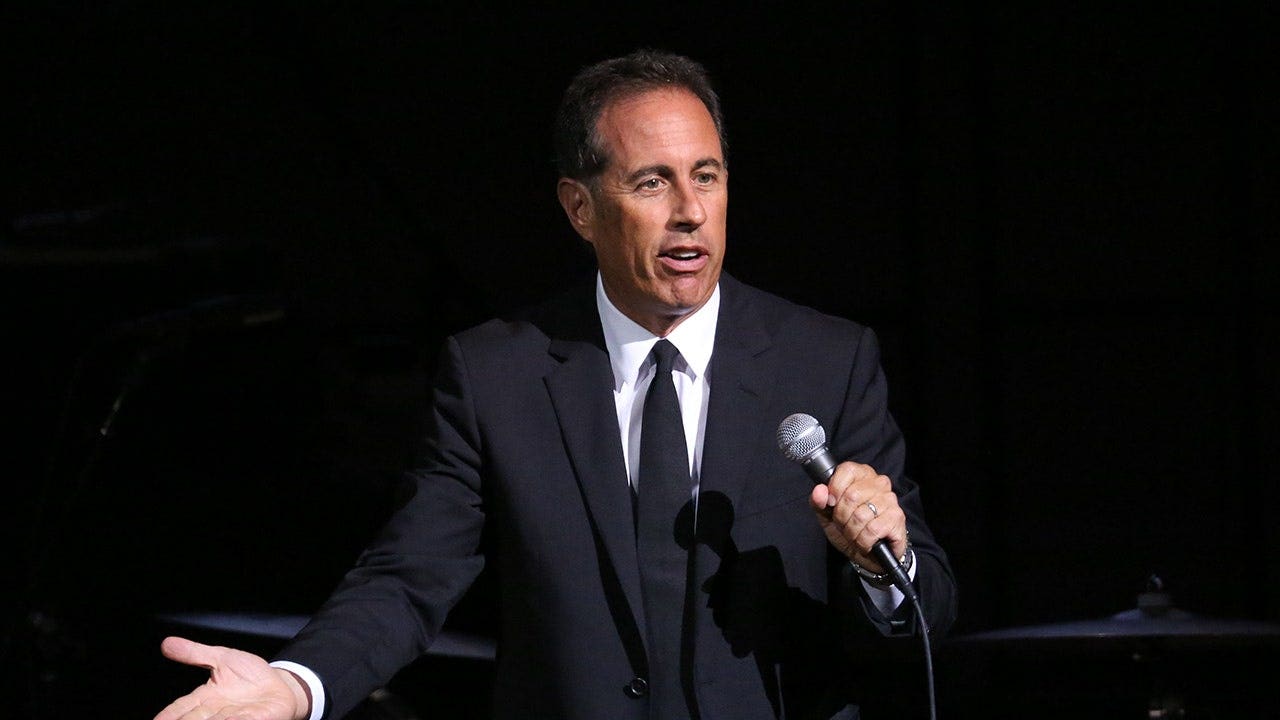
In an interview with AirMail published Saturday, comedian Jerry Seinfeld said he is not interested in driving electric cars and called them a "big, stupid virtue signal," questioning claims about their environmental benefits and citing concerns about lithium production. The Fox News article quotes Seinfeld discussing his preference for classic cars (noting his Porsche collection) and his criticisms of modern automotive design. The piece also notes the factual point that lithium-ion battery manufacture has environmental impacts, while EV proponents argue those impacts are offset over time by lower in-use emissions depending on driving lifetime and electricity sources. The article references past remarks in which Seinfeld was unenthusiastic about EVs and includes his comments about self-driving cars and cultural confidence in design.
Biblical Reflection
From a Christian perspective this story mixes legitimate factual concerns with cultural posture. Seinfeld raises a real technical point — lithium extraction and battery manufacture have environmental and social costs — and it is reasonable to critique trade-offs and demand honest accounting of lifecycle impacts. At the same time, his framing labels environmental concern as merely performative "virtue signaling," which risks dismissing substantive stewardship questions and silencing nuance. The article itself privileges celebrity opinion and colorful language; it does not evaluate the technical claims in depth and leaves readers with impressionistic framing rather than careful analysis.
Spiritually, Christians should hold at least two convictions in tension. First, stewardship of God’s creation matters (we should weigh environmental costs and pursue sustainable practices). Second, matters of consumer preference and prudence often fall into disputable territory where Christians are called to humility and charity toward others (avoid assuming moral superiority or reducing others’ motives to showiness). The underlying worldview in the article tends toward cultural cynicism—treating green choices as status rituals—rather than an inquiry into responsible care for creation or justice implications of resource extraction. Christians should therefore seek sober-minded truth: neither uncritical endorsement nor reflexive dismissal, but responsible assessment informed by facts, care for neighbors (including mining communities), and humility about personal convictions.
Scripture in context
This outlook does not yet include contextual Scripture citations. Do not treat a general biblical theme as an exegetical conclusion.
Faithful Response
No prescribed response is offered. Consider the reflection prompts below in your own church context.
Reflection and Discussion
- 1What assumptions underlie the charge that environmental choices are "virtue signaling," and does that label excuse legitimate critique of environmental harms?
- 2How does celebrity influence shape public discussion of complex moral and technical issues, and what standards should Christians use to evaluate such voices?
- 3Are we holding stewardship of creation and humility toward others in proper balance, or do we too quickly reduce others' motives to performance?
Sources
Reporting links are evidence inputs; Sanctuary News' biblical reflection is commentary.
This outlook currently relies on fewer than two linked sources. Broaden verification before teaching from it.
- 1.Original reportprimary