News Summary
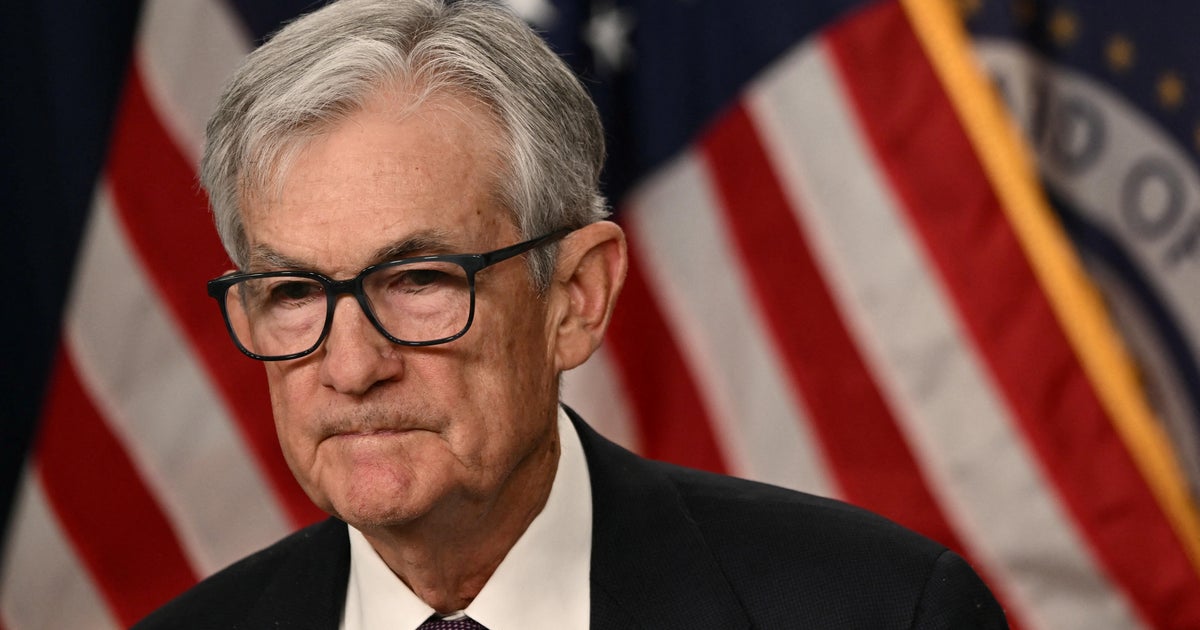
Jerome Powell is stepping down after eight years as Chair of the Federal Reserve. Economists interviewed by CBS News credited Powell with pragmatic, measured leadership through several major shocks: emergency rate cuts and liquidity actions during the COVID‑19 recession, and later a campaign of tightening to address the highest inflation in decades. Powell initially described 2021 inflation as “transitory” and the Fed delayed raising interest rates until March 2022, when the CPI annual rate was 8.5%. Some economists view that delay as a costly misreading; others praise the Fed for achieving a so‑called “soft landing” by reducing inflationary pressure without triggering a sharp rise in unemployment. Powell emphasized preserving the Fed’s institutional independence while facing political pressure and legal challenges from the Trump administration; a Justice Department probe into Fed renovations was opened and later dropped. President Trump’s nominee to succeed Powell as chair is former Fed official Kevin Warsh; Powell will remain on the Board of Governors. As of April 2026, headline CPI remained above the Fed’s 2% target (April annual rate 3.8%). The article presents a mixture of praise for crisis management and critique for the Fed’s earlier inflation assessment, largely through quoted assessments from economists and analysts.
Biblical Reflection
From a Christian perspective, the article highlights tensions familiar to biblical teaching about leadership, stewardship, and truth. The piece fairly reports both competence in crisis response and legitimate criticism for delayed action on inflation; its central narrative — that Powell defended institutional independence while making tradeoffs between employment and price stability — aligns with the public record. Watch for framing choices: the story emphasizes independence and credibility (a value many commentators prize) and uses prominent political conflict (criticisms from former President Trump) to dramatize pressure on the institution. That emphasis can obscure other realities theologically significant to Christians: the concrete harms inflation imposes on the poor and fixed‑income households, the moral need for leaders to weigh short‑term relief against long‑term stability, and the way institutional integrity serves the common good rather than personal prestige. Biblically, stewardship and wisdom are central: leaders are called to care for the vulnerable (James 1:27; Proverbs 31:8–9) and to practice honest, prudent judgment. The article relies heavily on economists’ evaluations; readers should recognize disciplinary perspectives (macro stability, institutional independence) that may underplay distributive justice or pastoral impacts. Pray and think critically about how we assess public servants: value integrity and institutional trust, but not at the expense of asking whose suffering is minimized in policy narratives. Finally, the piece underscores the Christian obligation to seek truth, to hold leaders accountable, and to advocate for policies that protect the vulnerable while sustaining societal order.
Scripture in context
This outlook does not yet include contextual Scripture citations. Do not treat a general biblical theme as an exegetical conclusion.
Faithful Response
No prescribed response is offered. Consider the reflection prompts below in your own church context.
Reflection and Discussion
- 1Whose experiences are centered or omitted when media praise institutional independence and managerial skill—are the poor, elderly, and working families who bear the brunt of inflation being adequately represented?
- 2Does the article prioritize institutional credibility over distributive consequences, and how should Christians weigh the value of stable institutions against urgent human needs?
- 3What assumptions about leadership and success (credibility, a 'soft landing,' political independence) are shaping the narrative, and how does Scripture challenge or confirm those assumptions?
Sources
Reporting links are evidence inputs; Sanctuary News' biblical reflection is commentary.
This outlook currently relies on fewer than two linked sources. Broaden verification before teaching from it.
- 1.Original reportprimary