News Summary
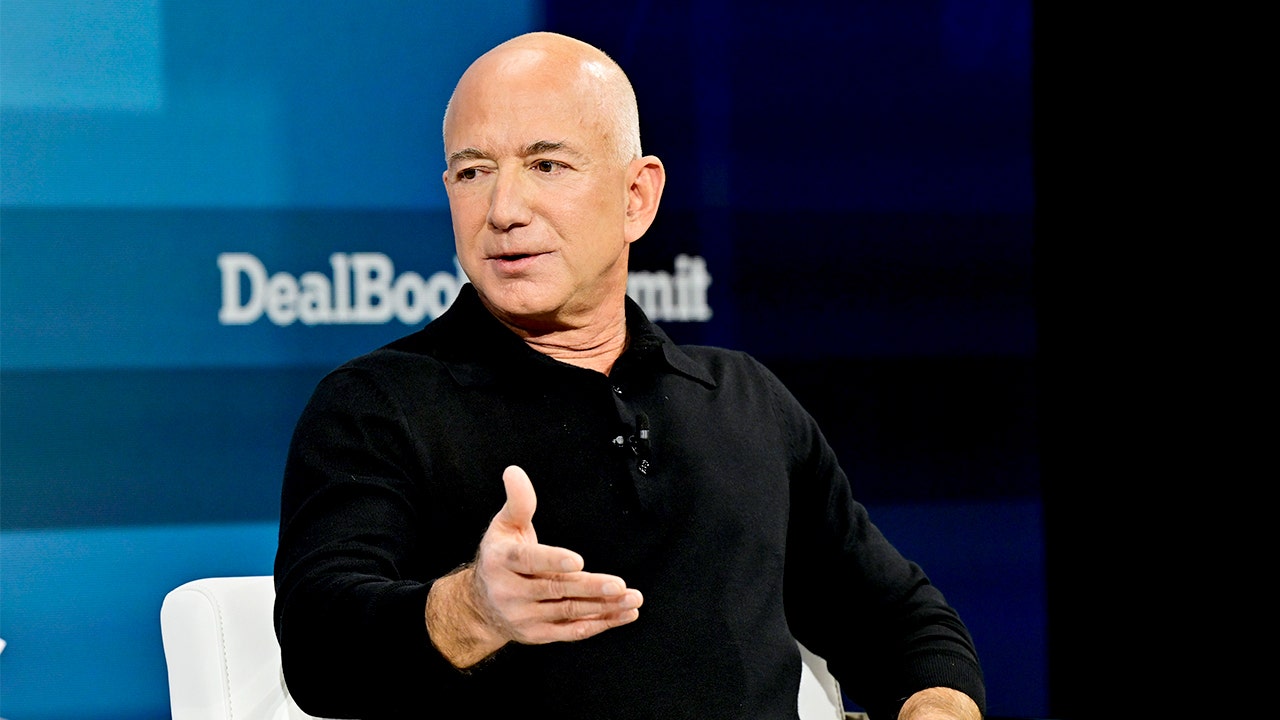
Jeff Bezos publicly suggested that the bottom 50% of American earners pay no federal income tax. The Fox News opinion piece summarizes that claim, noting that the bottom half currently contribute a small share of federal income tax revenue (the article cites roughly 3%) and that many low‑income households already pay little or no federal income tax after credits and deductions. The column argues Bezos’ proposal has broad political appeal because many middle‑class Americans feel financially strained. It lays out three possible fiscal outcomes if half of taxpayers paid no federal income tax: wealthier Americans would pay substantially more, government spending would be cut, or the federal government would borrow and potentially increase the money supply. The piece emphasizes U.S. national debt figures (cited as about $39 trillion and projected to exceed $40 trillion) and rising interest costs as constraints on policy. The article also links this tax debate to broader trends — including proposals for consumption taxes (sales tax, VAT, luxury taxes) and the potential shrinking of the labor tax base as AI and automation reshape work (the piece references major job cuts at Meta tied to AI). The opinion is authored by Ted Jenkin and framed as part of a larger debate over fairness, capitalism, and how America will fund government services going forward.
Biblical Reflection
From a Christian perspective, this conversation raises important questions about truthfulness, stewardship, and care for our neighbors. The factual claim that lower earners pay a small share of federal income tax is broadly correct for federal income tax receipts, but the article omits other tax burdens (payroll taxes, state and local taxes, consumption taxes) that affect low‑ and middle‑income households, which can distort the picture of overall tax fairness. The op‑ed’s framing emphasizes individual productivity and capitalism and expresses distrust of government spending; that worldview highlights legitimate concerns about fiscal responsibility but risks undervaluing communal obligations to care for the vulnerable. Christians should listen for both truths and omissions: truth in the need for sustainable finances and fair reward for work; omission where policy proposals could shift burdens onto other taxes or cut programs that serve the poor. Prudence and humility are needed — advocating for policies that reduce undue burdens on struggling families aligns with mercy, but so does ensuring public structures exist to protect those who cannot provide for themselves. The piece tends toward rhetorical appeals to anger and resentment about perceived unfairness; a Christian response calls for tempering righteous frustration with measured, evidence‑based discernment and a commitment to the common good.
Scripture in context
This outlook does not yet include contextual Scripture citations. Do not treat a general biblical theme as an exegetical conclusion.
Faithful Response
No prescribed response is offered. Consider the reflection prompts below in your own church context.
Reflection and Discussion
- 1Which taxes and costs are left out of the article’s headline claim, and how would including payroll, state, and consumption taxes change our view of who bears the burden?
- 2When proposals shift revenue sources (from income to consumption or to borrowing), who gains and who loses in practice—especially among the most vulnerable?
- 3Does the rhetoric in the piece center fairness and stewardship, or does it primarily appeal to political resentment—how should Christians discern motive and truth in such framing?
Sources
Reporting links are evidence inputs; Sanctuary News' biblical reflection is commentary.
This outlook currently relies on fewer than two linked sources. Broaden verification before teaching from it.
- 1.Original reportprimary