News Summary
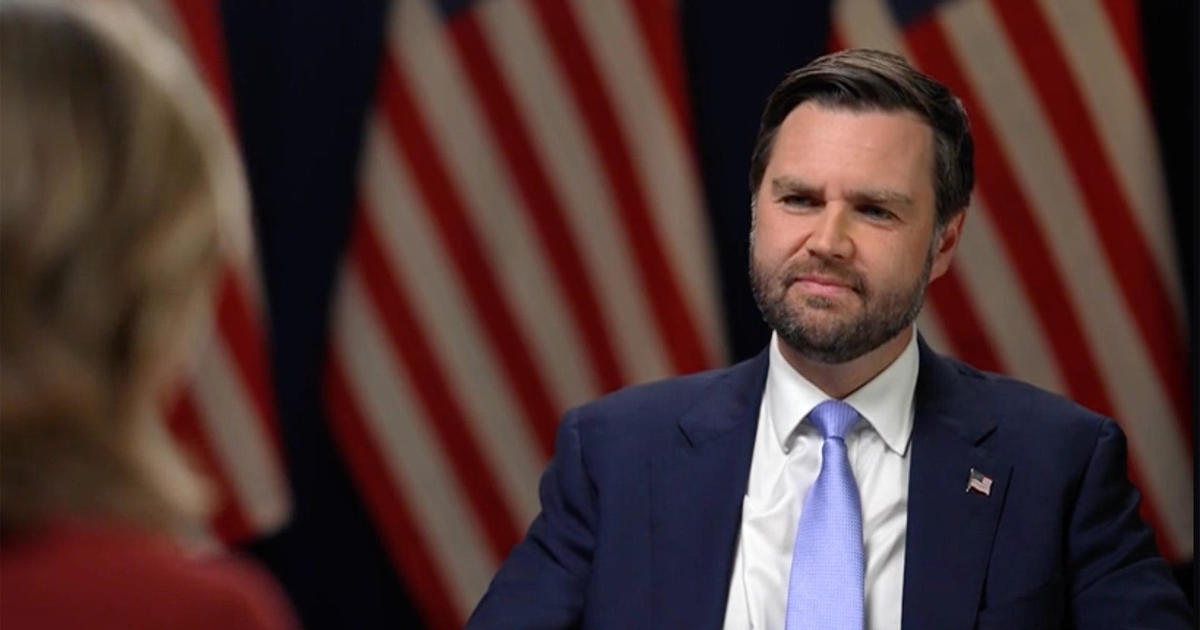
Sen. J.D. Vance, the Republican vice presidential nominee, said his wife Usha — whom he called his “top adviser” — told him to “trust in the wisdom” of women about how they will vote. Vance made the remarks on Face the Nation as CBS News released a poll showing a persistent gender gap: 40% of registered women say the Trump campaign pays too much attention to men’s concerns, and 56% say it pays too little attention to women’s concerns. The article notes criticism from former Rep. Liz Cheney, who has said Vance has a “real women problem,” citing prior comments Vance made (including a past remark about “childless cat ladies”) that drew public criticism. Vance rejected the idea that the GOP ticket has a women problem, said the campaign must make its case to both men and women, and outlined policy appeals he believes will resonate with women — lower prices, border security, and safer communities — while saying he will seek to persuade rather than direct how women should vote.
Biblical Reflection
The article reports campaign messaging and polling without apparent factual distortion. Through a pastoral lens, this moment surfaces two issues: integrity of speech and the dignity of persons. Politicians who appeal to a demographic should listen humbly rather than instrumentalize that group; citing a spouse’s advice can signal genuine listening, but it can also function as rhetorical cover if prior remarks have damaged credibility. The reported polling indicates a real perception problem among many women voters, which matters for civic trust and healthy democratic engagement. Christians are called to speak truthfully and to treat neighbors as persons, not voting blocs; public leaders ought to show repentance where past words have caused harm, pursue policies that protect family and neighbor, and engage voters with humility, not manipulation. The article’s framing is straightforward, but readers should notice how campaign rhetoric sometimes attempts to personalize or neutralize broader critiques rather than address underlying concerns about respect and policy priorities.
Scripture in context
This outlook does not yet include contextual Scripture citations. Do not treat a general biblical theme as an exegetical conclusion.
Faithful Response
No prescribed response is offered. Consider the reflection prompts below in your own church context.
Reflection and Discussion
- 1Is the campaign’s appeal treating women as whole persons with varied concerns, or primarily as a problem to be solved for electoral gain?
- 2How should a leader’s past public remarks shape our assessment of their sincerity and fitness to represent those they offended?
- 3Does the rhetoric 'trust the wisdom of women' reflect genuine listening and respect, or does it function as a rhetorical maneuver to deflect criticism?
Sources
Reporting links are evidence inputs; Sanctuary News' biblical reflection is commentary.
This outlook currently relies on fewer than two linked sources. Broaden verification before teaching from it.
- 1.Original reportprimary