News Summary
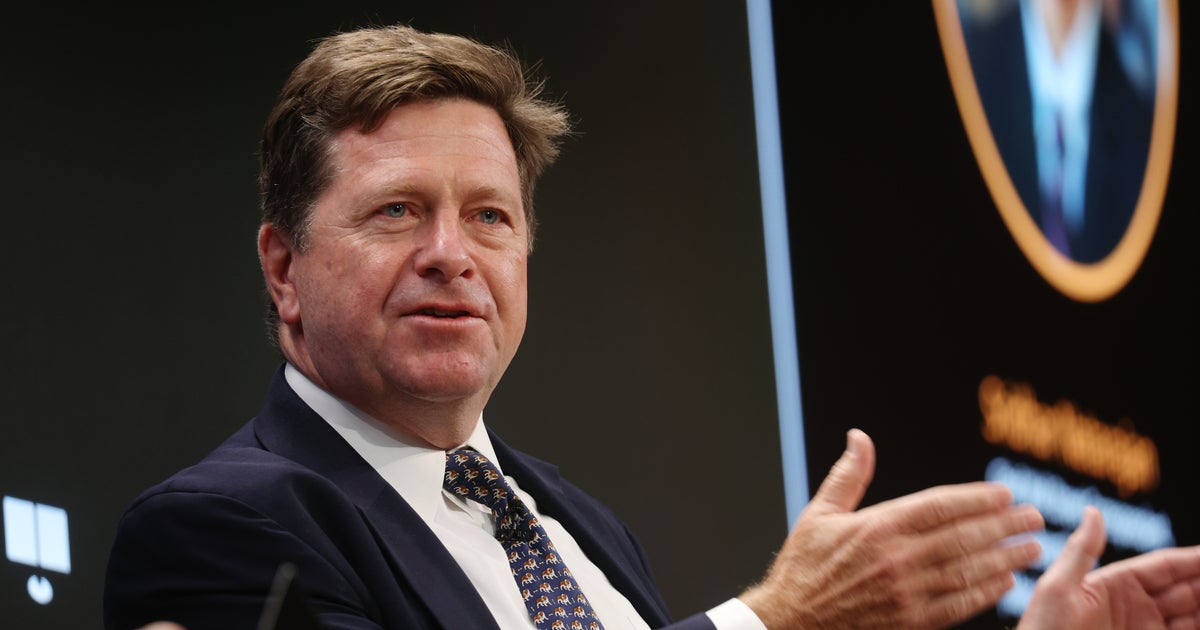
Jay Clayton, currently U.S. Attorney for the Southern District of New York, appeared before the Senate Intelligence Committee for a confirmation hearing on July 15, 2026, after President Trump had previously asked to postpone the hearing. Trump had urged postponement in mid-June until the Senate confirmed a replacement for Clayton's current role and signaled concern the confirmation would prevent Bill Pulte, a housing official named acting DNI, from serving temporarily. Pulte became acting Director of National Intelligence on June 19 following Tulsi Gabbard's May resignation. Senate Republicans had pushed to confirm Clayton quickly in part to resolve a stalemate over reauthorizing Section 702 of the Foreign Intelligence Surveillance Act; Democrats withheld agreement to extend the program after Pulte's appointment and the authority has since lapsed. Clayton, who previously led the SEC and spent years at Sullivan & Cromwell, is broadly regarded as qualified by members of both parties; his former law firm is representing President Trump in related appeals. During the hearing Clayton was expected to face questions including about subpoenas he issued last week to three New York Times journalists concerning reporting on security features of a donated Air Force One. Senate Intelligence Committee Chairman Tom Cotton had earlier called the mid-June postponement regrettable and expressed intent to proceed with confirmation.
Biblical Reflection
The article reports a high-stakes personnel and procedural dispute with clear institutional and civic consequences: leadership of the U.S. intelligence community, oversight of surveillance authorities, and executive–legislative tensions. The reporting itself is factual and cites actions and statements by the president, senators, and officials; it gives readers the sequence of events but does not adjudicate legal or ethical questions raised by those actions. From a Christian perspective we should be alert to two linked concerns: the health of public institutions that protect the common good (national security, rule of law, and civil liberties), and the integrity of those who steward them. Politicized appointments or tactics that delay oversight risk eroding trust and can harm both public safety and individual rights. At the same time, character and qualifications matter; bipartisan respect for a nominee is a positive sign. The story invites careful distinction between legitimate political strategy and actions that undermine impartial governance. Christian discernment calls for demanding truth, accountability, and humility from leaders while avoiding partisan triumphalism; we should pray for officials to act justly, for institutions to function faithfully, and for the public to seek facts over factional narratives.
Scripture in context
This outlook does not yet include contextual Scripture citations. Do not treat a general biblical theme as an exegetical conclusion.
Faithful Response
No prescribed response is offered. Consider the reflection prompts below in your own church context.
Reflection and Discussion
- 1How does political control of intelligence appointments affect public trust in institutions meant to serve all citizens?
- 2What conflicts of interest or transparency gaps should we watch for when a nominee has professional ties to parties involved in related legal matters?
- 3Are news reports giving enough context about legal and civil-liberties implications of a lapsed surveillance authority, or emphasizing political maneuvering instead?
Sources
Reporting links are evidence inputs; Sanctuary News' biblical reflection is commentary.
This outlook currently relies on fewer than two linked sources. Broaden verification before teaching from it.
- 1.Original reportprimary