News Summary
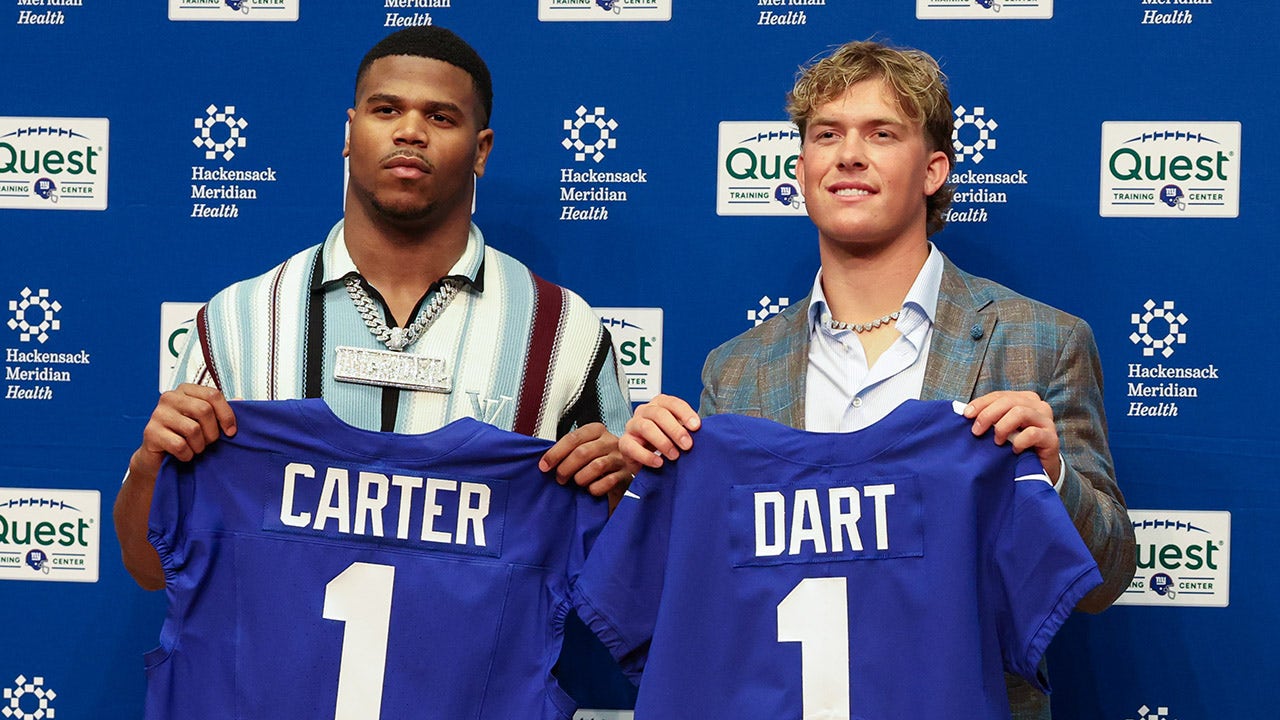
On May 22, 2026, New York Giants quarterback Jaxson Dart introduced President Donald Trump at a 'Fighting For American Workers' rally in Suffern, New York. Following the appearance, Dart faced public criticism from commentators and from his teammate Abdul Carter, who posted objections online and later reiterated his disapproval in a team media appearance. The Giants organization held a team meeting to address internal tensions. Dart spoke to reporters, offering a multi-minute statement saying he respects the office of the presidency and that his intentions were honorable; Carter used his media time to state he opposes alignment with Trump. The article criticizes the media and some commentators for what it calls a partisan double standard and suggests Dart should have delivered a brief, non-defensive statement and refrained from extended justification. The piece also contrasts the attention on Dart with other incidents it says received less sustained coverage.
Biblical Reflection
Viewed through a Christian lens, this story raises questions about how political convictions are expressed in public life and how communities respond. The article frames the controversy as evidence of media and cultural bias against conservatives and urges a firm, unrepentant posture from Dart. That framing mixes legitimate concerns about media treatment with partisan rhetoric and anecdotal comparisons that do not by themselves establish systematic bias. Christians are called to truth and charity: truth in weighing claims and context, charity in treating people of differing views with dignity. Public figures—especially teammates in a shared workplace—need to balance personal conscience with the realities of communal cohesion. The piece’s tone leans toward tribal defensiveness, which can harden divisions rather than foster reconciliation. A faithful Christian response would reject caricature and slander on all sides, encourage honest but humble witness for convictions, and prioritize peacemaking within teams and communities while holding fast to moral convictions that matter to one’s conscience.
Scripture in context
This outlook does not yet include contextual Scripture citations. Do not treat a general biblical theme as an exegetical conclusion.
Faithful Response
No prescribed response is offered. Consider the reflection prompts below in your own church context.
Reflection and Discussion
- 1Am I treating political disagreement as a moral failing in others, or as a chance to listen, witness, and love?
- 2Does the media framing of a story highlight patterns of injustice, or does it push us toward knee-jerk tribalism?
- 3How should teammates and leaders balance personal political expression with the need for unity and mutual respect in a shared workplace?
Sources
Reporting links are evidence inputs; Sanctuary News' biblical reflection is commentary.
This outlook currently relies on fewer than two linked sources. Broaden verification before teaching from it.
- 1.Original reportprimary