News Summary
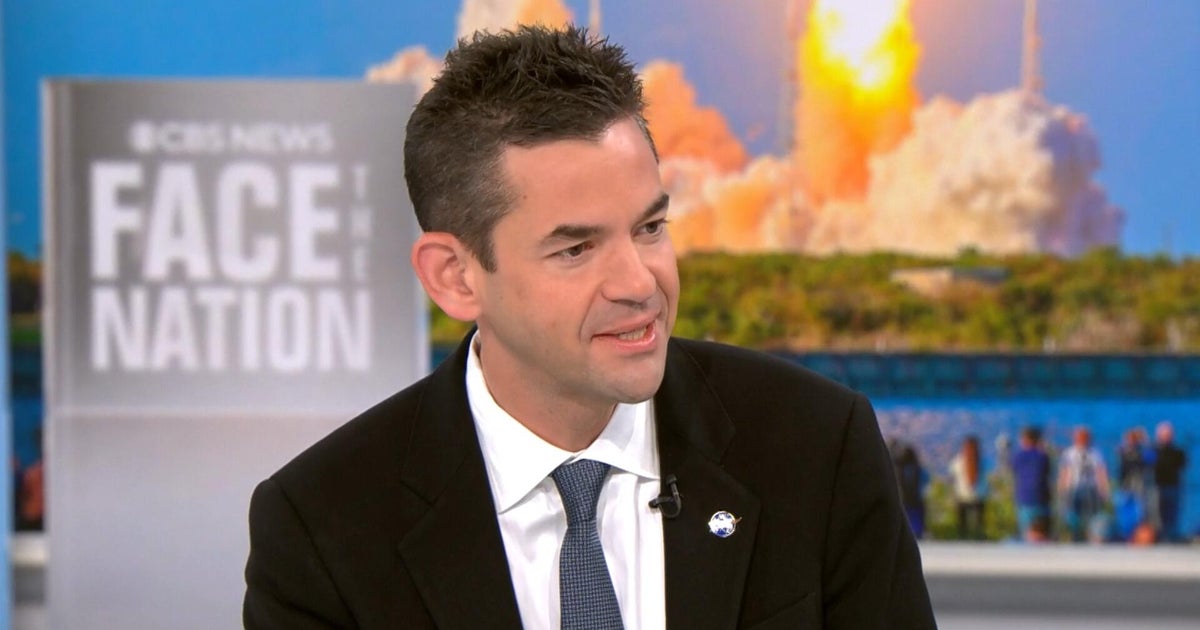
This is a transcript of a July 5, 2026 CBS 'Face the Nation' interview with NASA Administrator Jared Isaacman. Isaacman described the cultural and scientific importance of maintaining an American presence in space, called the Moon a near-term proving ground, and predicted a future lunar economy including asteroid mining. He outlined NASA’s Artemis timeline: targeting an Artemis III landing by the end of 2028, building out lunar infrastructure beginning in 2027, and moving toward more sustained surface stays by the early 2030s. Isaacman said the United States faces a fast-moving space competition with China, framing the timetable in months rather than years. He discussed an experimental, low-cost (~$30 million) industry-supported mission to rendezvous with and boost the aging Swift gamma-ray telescope, noting the effort is early and data are still being assessed. He addressed Blue Origin’s May New Glenn rocket explosion, saying NASA is assisting the company’s anomaly investigation and pad rebuild; he described the market as having multiple commercial launch providers and emphasized partnership with industry. He also referenced having piloted a July 4th flyover and credited recent national space policy and funding decisions as enabling Artemis momentum.
Biblical Reflection
The interview promotes a hopeful, ambitious vision of human space exploration rooted in scientific curiosity, economic opportunity, and national pride. That optimism reflects genuine advances in commercial spaceflight and a legitimate case for scientific investment. At the same time, the framing contains partisan and competitive elements — emphasizing U.S. leadership and crediting specific political decisions — and leans on optimistic timelines and speculative economic claims (lunar economies, asteroid mining) that may understate technical, financial, and ethical challenges. From a Christian pastoral perspective, the impulse to explore and steward creation can be a godly pursuit when pursued with humility, truthfulness, and care for human life and common goods. We should welcome cooperation between public agencies and private industry for innovation and stewardship, while remaining discerning about nationalism, profit-driven priorities, and risks to safety, the environment, and equitable access to benefits. Christians can celebrate human curiosity and the drive to learn, but should also call for transparency, prudent stewardship of public resources, and ethical reflection about how exploration serves the neighbor.
Scripture in context
This outlook does not yet include contextual Scripture citations. Do not treat a general biblical theme as an exegetical conclusion.
Faithful Response
No prescribed response is offered. Consider the reflection prompts below in your own church context.
Reflection and Discussion
- 1Does framing space activity primarily as a national race narrow our view of space as a shared sphere for human flourishing and stewardship?
- 2How do commercial incentives (profit, speed) reshape priorities for science, safety, and the fair distribution of benefits from space?
- 3Are optimistic timelines and rhetoric giving us confidence or masking the real technical, ethical, and fiscal trade-offs involved?
Sources
Reporting links are evidence inputs; Sanctuary News' biblical reflection is commentary.
This outlook currently relies on fewer than two linked sources. Broaden verification before teaching from it.
- 1.Original reportprimary