News Summary
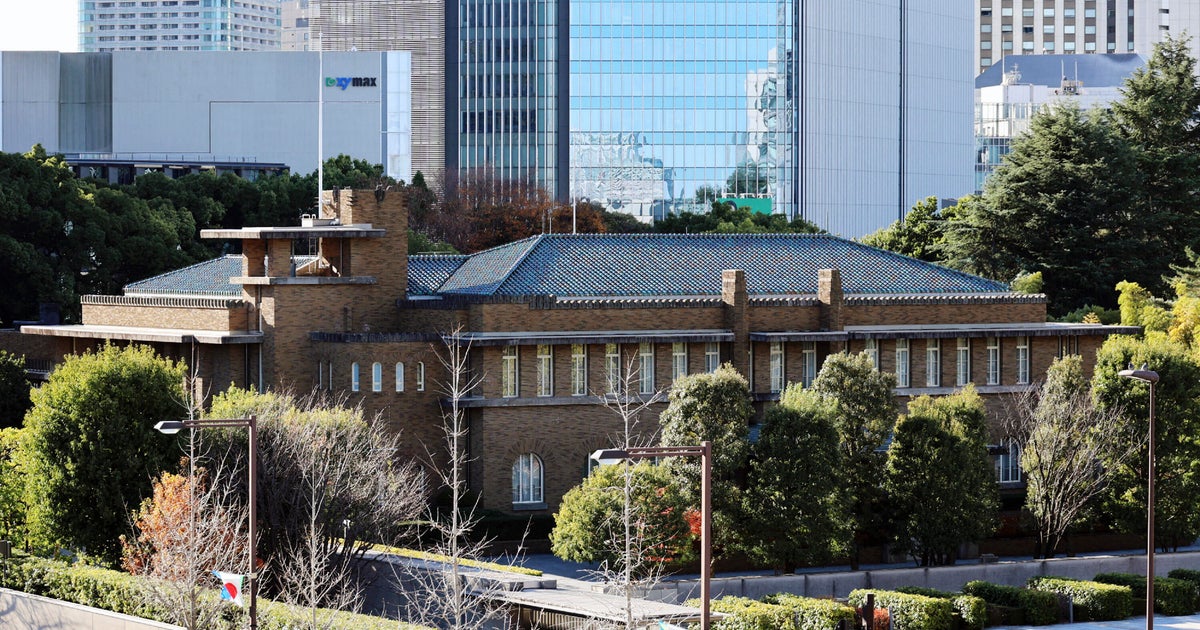
Japanese Prime Minister Sanae Takaichi, the country's first woman in the role, has moved into the official prime minister's residence in central Tokyo. The move comes after criticisms about her lengthy commute during emergencies, such as a recent earthquake. The historic mansion, built in 1929 and inspired by Frank Lloyd Wright's architectural style, has a reputation for being haunted by the ghosts of soldiers and officials assassinated in attempted coups during the 1930s. The residence has seen various leaders, some of whom reported no supernatural encounters, while others chose to live elsewhere. Takaichi is known for her intense work ethic, reportedly sleeping only two to four hours a night.
Biblical Reflection
From a biblical perspective, the fascination with haunted places and ghosts reflects deeper questions about mortality, the afterlife, and unresolved guilt or trauma in a nation's history. Scripture teaches that the dead do not roam the earth as spirits to haunt the living (Ecclesiastes 9:5-6: 'For the living know that they will die, but the dead know nothing...'). The legacy of violence and unrest in the residence speaks more to the consequences of sin and the need for reconciliation and healing within a nation. As leaders take up roles in places with troubled histories, Christians are encouraged to pray for wisdom, peace, and the courage to address unresolved wounds—not to fear superstition, but to seek God's truth and redemption. True leadership is not hindered by the 'ghosts' of the past but inspired by a hope rooted in God's promises for renewal and peace.
Scripture in context
This outlook does not yet include contextual Scripture citations. Do not treat a general biblical theme as an exegetical conclusion.
Faithful Response
No prescribed response is offered. Consider the reflection prompts below in your own church context.
Reflection and Discussion
- 1How do you respond to fears or superstitions rooted in the past?
- 2In what ways can you seek peace and reconciliation where there has been conflict or trauma?
- 3What does it mean to lead with courage and faith in places with troubled histories?
Sources
Reporting links are evidence inputs; Sanctuary News' biblical reflection is commentary.
This outlook currently relies on fewer than two linked sources. Broaden verification before teaching from it.
- 1.Original reportprimary