News Summary
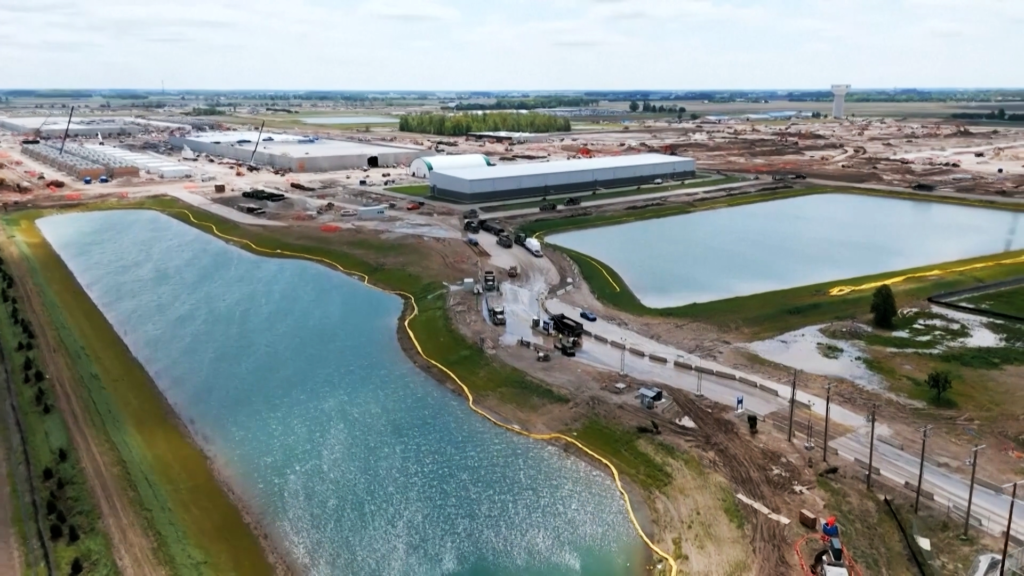
Reported facts: The article states that AI is driving stock market gains, economic growth, and a construction boom; it reports that these trends have spurred intense local debates about AI data centers and that PBS correspondent Paul Solman profiles one such dispute in Janesville, Wisconsin. Attributed claims: The piece attributes broad economic effects to AI (market highs, growth, construction surge) and presents local debate as widespread. Uncertainty: The article as supplied does not present detailed quantitative evidence (job counts, tax revenues, environmental assessments, specific company plans) within the excerpt provided.
Source and Framing Analysis
Material uncertainty stems from limited detail in the supplied excerpt: the article asserts broad economic effects but does not include supporting data or local specifics in the text provided here. The framing contrasts national-scale economic benefits with local-scale disputes; readers should note the juxtaposition may emphasize conflict without supplying the granular evidence that would allow independent assessment of costs and benefits.
Biblical Reflection
The article frames AI as both an economic engine and a source of contested local consequences. Christians should notice two truths at once: economic opportunity and technological progress can serve human flourishing, but they can also produce harms, dislocation, and new inequalities when local voices, stewardship of resources, and long-term impacts are sidelined.
We are called to seek truth about claims of prosperity while exercising mercy toward people whose livelihoods, environments, and civic life may be affected. That requires careful listening to neighbors, asking for transparent data (jobs, tax revenue, utility impacts, environmental effects), and resisting the easy idolization of technology or markets as ends in themselves.
Practically, this means advocating for policies and corporate commitments that reflect justice and care — fair labor, environmental safeguards, clear community benefits, and honest accounting of risks. Churches can model humility and peacemaking by hosting informed, civil conversations where both hope for renewal and fear of harm are addressed with facts and compassion.
Scripture in context
- 1Luke 10:25-37 (Parable of the Good Samaritan) — A legal expert asks Jesus who qualifies as 'neighbor'; Jesus tells a story showing that neighbor-love is practical, crossing social boundaries to aid the vulnerable. — When communities debate large projects, Christians should prioritize concrete care for those harmed or at risk, offering compassion and practical advocacy rather than abstract slogans about progress.
- 2Genesis 2:15 (Human stewardship of creation) — In the Genesis narrative, humanity is placed in the garden to cultivate and keep it, implying responsibility for care of the earth. — Decisions about land use, water, energy, and environmental impacts should be made with an ethic of stewardship that balances human flourishing with care for creation.
Faithful Response
Pray for local leaders, residents, and companies involved and seek the Spirit's guidance for wise decisions.
Attend public meetings, ask for transparent impact studies (jobs, taxes, utilities, environment), and insist on enforceable community benefits agreements where appropriate.
Listen to and prioritize the perspectives of vulnerable neighbors (low-income households, those near proposed sites, workers at risk of displacement) rather than relying solely on corporate promises.
Encourage congregations to host neutral, fact-focused forums where experts explain likely trade-offs and where neighbors can speak and be heard.
Reflection and Discussion
- 1How does love of neighbor shape our evaluation of technological progress and economic promises in our town?
- 2What specific evidence would convince us that a proposed data center truly serves the common good?
- 3In what ways should churches be involved in public conversations about local development and stewardship?
Sources
Reporting links are evidence inputs; Sanctuary News' biblical reflection is commentary.
This outlook currently relies on fewer than two linked sources. Broaden verification before teaching from it.
- 1.Janesville, once a symbol of the Great Recession, becomes AI data center battlegroundprimary_reporting