News Summary
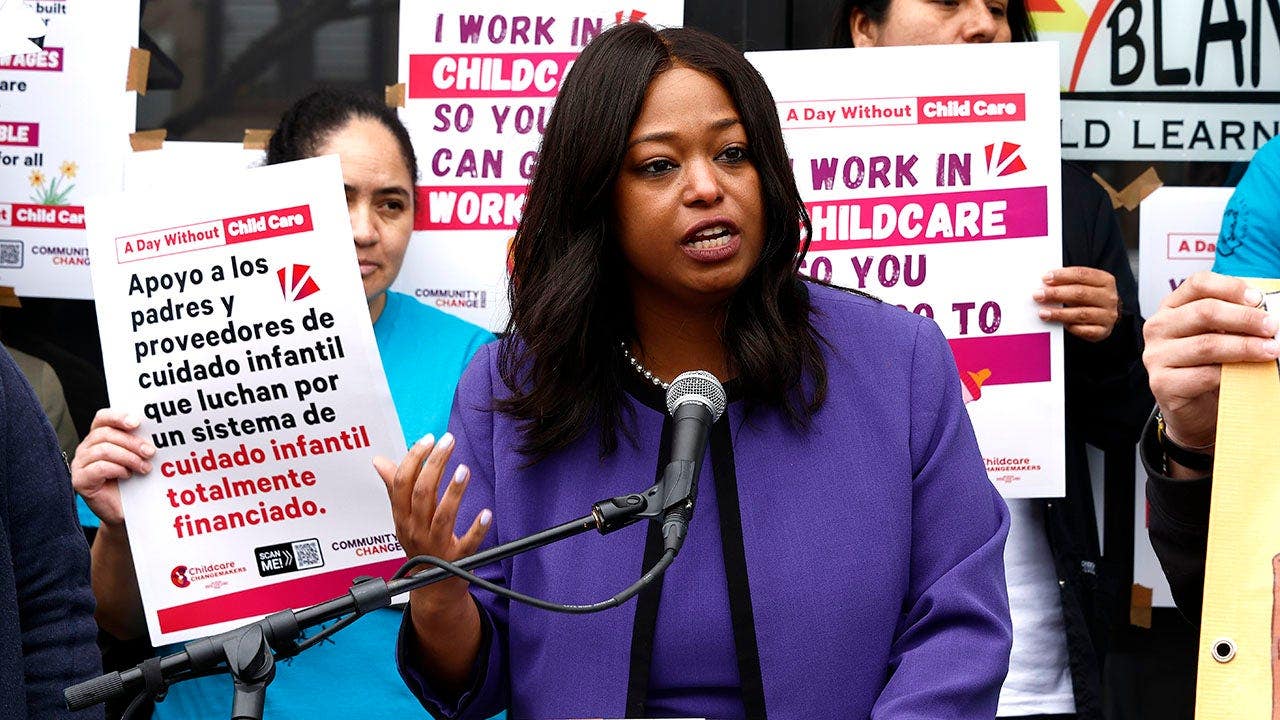
Janeese Lewis George, a Ward 4 D.C. councilmember who describes herself as a democratic socialist, gained a clear path to victory in the Democratic ranked-choice primary after her main opponent, Kenyan McDuffie, conceded. Although election officials and major outlets had not officially called the race at the time of reporting, the concession makes Lewis George the presumptive Democratic nominee in a city that heavily favors Democrats, making her likely to win the November general election. The article summarizes Lewis George's policy positions and history: she opposed President Trump’s deployment of the National Guard to D.C. and criticized what she described as federal interference with D.C. home rule; she advocates expanding childcare access so no family pays more than 7% of income on childcare, increasing youth programming, and has supported elements of the ‘defund police’ movement. She has been endorsed by progressive groups including Black Lives Matter, the Working Families Party, and the Metro D.C. chapter of the Democratic Socialists of America. The piece frames her anticipated mayoralty as likely to produce clashes with President Donald Trump, who has publicly criticized her and threatened increased federal intervention in D.C. governance should a democratic socialist be elected. The article names other minor candidates and notes that incumbent Mayor Muriel Bowser did not seek a fourth term.
Biblical Reflection
This report mixes verifiable facts (a concession by a challenger, Lewis George’s record and policy positions, endorsements, and public comments by President Trump) with partisan framing that highlights conflict and uses loaded labels. The emphasis on potential showdown with the president and repeated use of the term “democratic socialist” and quotes like “crazy socialist” reflect a worldview that casts the race primarily as an ideological battle rather than a contest over specific local policy trade‑offs. From a Christian pastoral perspective, the story surfaces two legitimate communal concerns: the wellbeing of vulnerable residents (children, low‑income families) and the need for public safety and accountable governance. Christians should carefully separate rhetoric from substance: evaluate policy proposals (childcare affordability, youth programming, police oversight) on their real effects on neighbors, not solely on partisan labels; be wary when media language stokes fear or simplifies complex legal questions about federal authority versus local home rule. Practically, the Christian response should prioritize truth-seeking (check official sources and legal facts), mercy (care for children and families affected by policy), and humility (resist demonizing political opponents), while urging leaders to pursue policies that protect both the vulnerable and community safety.
Scripture in context
This outlook does not yet include contextual Scripture citations. Do not treat a general biblical theme as an exegetical conclusion.
Faithful Response
No prescribed response is offered. Consider the reflection prompts below in your own church context.
Reflection and Discussion
- 1How does the article’s language (labels, comparisons, and choice of quotes) shape your view of the candidate before assessing specific policies?
- 2Which community needs are prioritized in the coverage — safety, children’s welfare, fiscal responsibility — and which practical trade‑offs are left unexplored?
- 3When officials threaten federal intervention, are you focused on the legal facts and consequences for residents, or on the partisan drama the threat creates?
Sources
Reporting links are evidence inputs; Sanctuary News' biblical reflection is commentary.
This outlook currently relies on fewer than two linked sources. Broaden verification before teaching from it.
- 1.Original reportprimary