News Summary
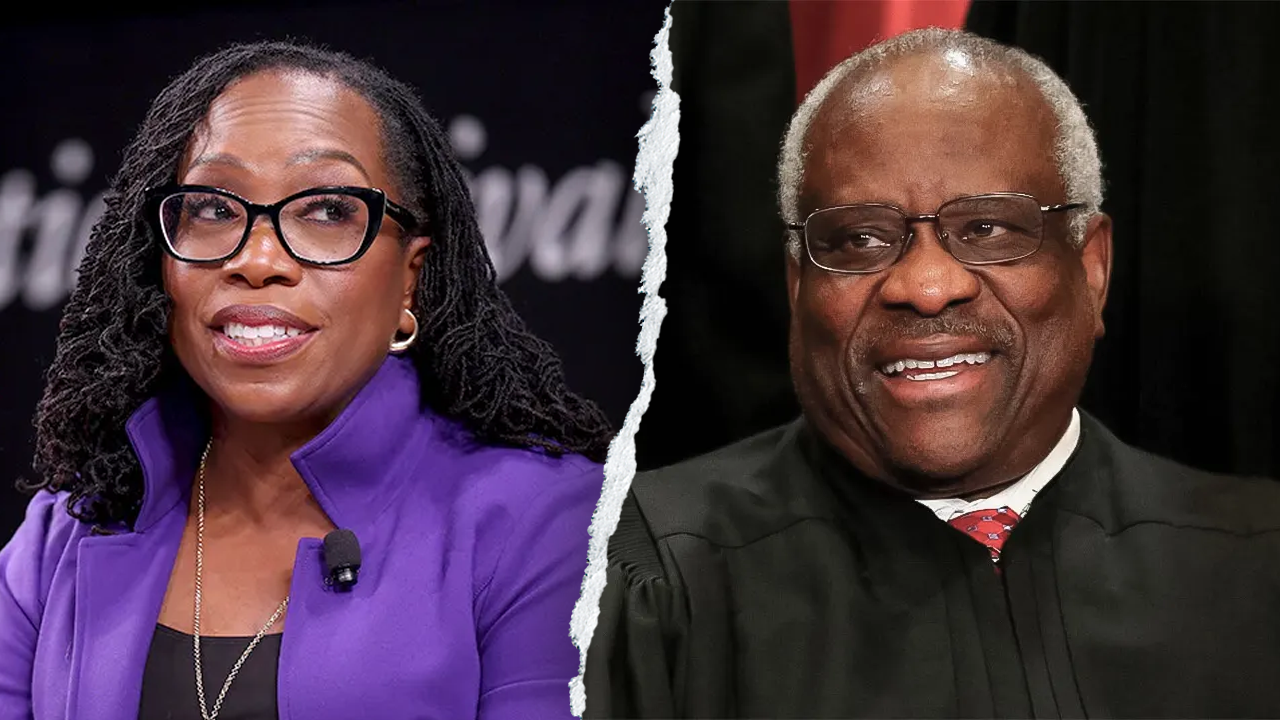
The Supreme Court rejected former President Donald Trump's executive order and upheld birthright citizenship under the Fourteenth Amendment in the case identified as Trump v. Barbara. In a concurrence, Justice Ketanji Brown Jackson criticized Justice Clarence Thomas’s reasoning, saying his view echoed a core tenet of the Dred Scott decision by effectively excluding some people born on U.S. soil from citizenship. Thomas argued that the Citizenship Clause applied to persons born and domiciled in the United States and that children of foreign temporary visitors lack the domicile and permanent allegiance necessary to claim birthright citizenship. Jackson rejected that narrow historical reading, contending the Reconstruction Amendments were intended as an anticaste remedy securing citizenship and equal status for those born here regardless of their parents’ immigration status. The article reports excerpts from both justices’ opinions and notes historical background about Dred Scott and Reconstruction-era legislation cited in the dispute.
Biblical Reflection
This dispute raises enduring questions about how history, law, and human dignity intersect. Christians should note two responsibilities at once: a commitment to truth—carefully weighing competing legal methodologies and historical claims—and a commitment to mercy and the protection of vulnerable people, especially children whose status and security are at stake. Jackson’s language deliberately invokes the moral horror of Dred Scott to warn against interpretations that would create categories of people denied full membership; that appeal centers on human dignity and the biblical conviction that all people bear God’s image. Thomas’s argument reflects an originalist/legalistic framework that focuses on concepts like domicile and allegiance; even if methodologically different, such legal reasoning should be engaged on its merits rather than reduced to personal vilification. Christians should also be wary of rhetoric that inflames racial memory for partisan gain, and of simplistic framings that treat complex constitutional law as purely political theater. In practice, the faithful response asks for careful discernment of facts and motives, defense of the rule of law, and active compassion for those affected by legal rulings.
Scripture in context
This outlook does not yet include contextual Scripture citations. Do not treat a general biblical theme as an exegetical conclusion.
Faithful Response
No prescribed response is offered. Consider the reflection prompts below in your own church context.
Reflection and Discussion
- 1How does a legal argument that focuses on technical terms like 'domicile' affect the real dignity and daily life of children born here?
- 2When public leaders invoke historical injustices, are they clarifying legal truth or shaping public emotion—and how should Christians weigh that difference?
- 3Are we treating constitutional interpretation as an abstract academic exercise, or as a moral decision with consequences for human flourishing?
Sources
Reporting links are evidence inputs; Sanctuary News' biblical reflection is commentary.
This outlook currently relies on fewer than two linked sources. Broaden verification before teaching from it.
- 1.Original reportprimary