News Summary
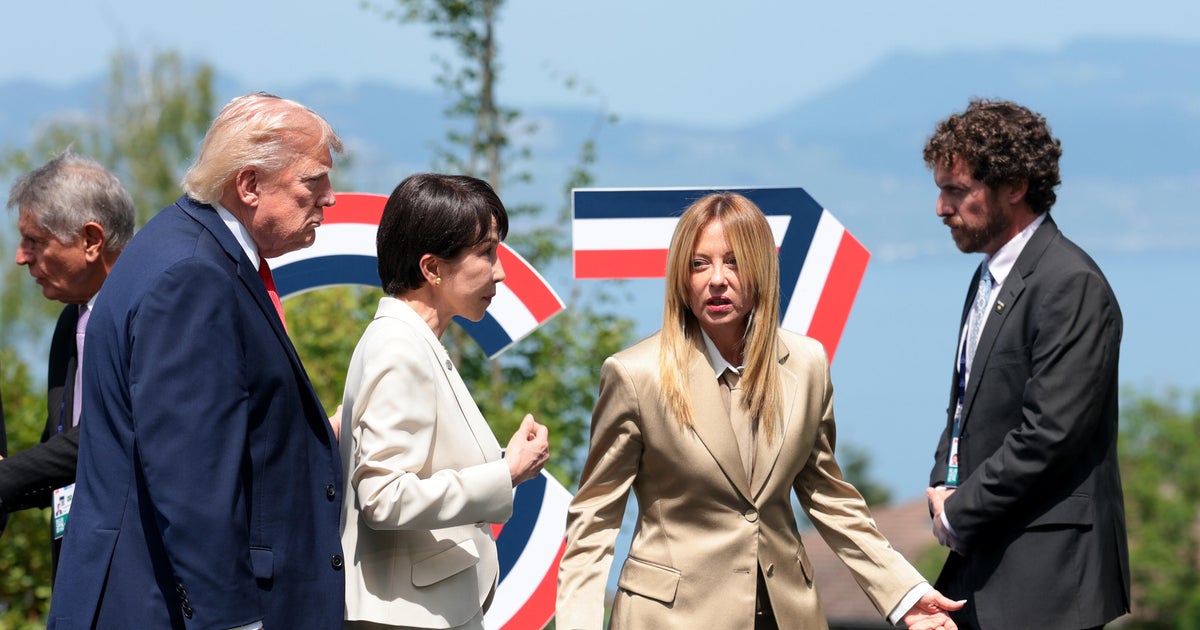
An Italian TV channel, La7, quoted President Trump as saying that Prime Minister Giorgia Meloni "begged" him for a photo at the recent G7 summit and that he took the photo because he "felt sorry for her." La7 released an Italian voice-dubbed recording; U.S. outlet CBS News says it could not independently verify the remarks. Meloni called the account "made up," said neither she nor Italy "ever beg," and said she was "stunned" by the depiction. In reaction, the Italian government canceled a planned U.S. visit by Foreign Minister Antonio Tajani (scheduled for June 21–22). Tajani called the president's words "serious and offensive" and said they offend all of Italy. The article notes Meloni has been viewed as relatively aligned with Trump in Europe (she attended his second inauguration), but tensions have arisen amid the Iran war and other exchanges in recent months, including Trump's past criticisms of NATO allies and remarks about withdrawing U.S. forces from Italy. Video from the summit showed Trump and Meloni in extended conversation, and Meloni had earlier described the summit as having a "very positive climate."
Biblical Reflection
From a Christian perspective, this episode highlights the moral and practical cost of careless or disparaging public speech by leaders. The report is explicitly framed around an unverified, dubbed recording, so truth-seeking is primary: Christians should resist spreading claims that are not confirmed and avoid joining in character attacks. At the same time, the Italian government's cancellation of a ministerial visit shows how words from powerful figures can produce real diplomatic consequences — undermining trust, cooperation, and the common good, especially during security crises. The article's framing also reflects political alignments (Meloni's prior closeness to Trump) and the news value of conflict between supposed allies; readers should watch for translation issues, selective editing, and partisan impulses that magnify personal slights over policy substance. Pastoral concerns include urging humility in leaders, protecting the dignity of neighbor nations, and prioritizing reconciliation and constructive diplomacy over spectacle and insult.
Scripture in context
This outlook does not yet include contextual Scripture citations. Do not treat a general biblical theme as an exegetical conclusion.
Faithful Response
No prescribed response is offered. Consider the reflection prompts below in your own church context.
Reflection and Discussion
- 1Am I giving weight to an account that is explicitly unverified and possibly dubbed or mistranslated?
- 2How do personal insults between leaders affect the ability of nations to cooperate for common security and the vulnerable?
- 3Do my reactions favor partisan scoring over the biblical impulses to pursue truth, defend the neighbor's dignity, and seek peace?
Sources
Reporting links are evidence inputs; Sanctuary News' biblical reflection is commentary.
This outlook currently relies on fewer than two linked sources. Broaden verification before teaching from it.
- 1.Original reportprimary