News Summary
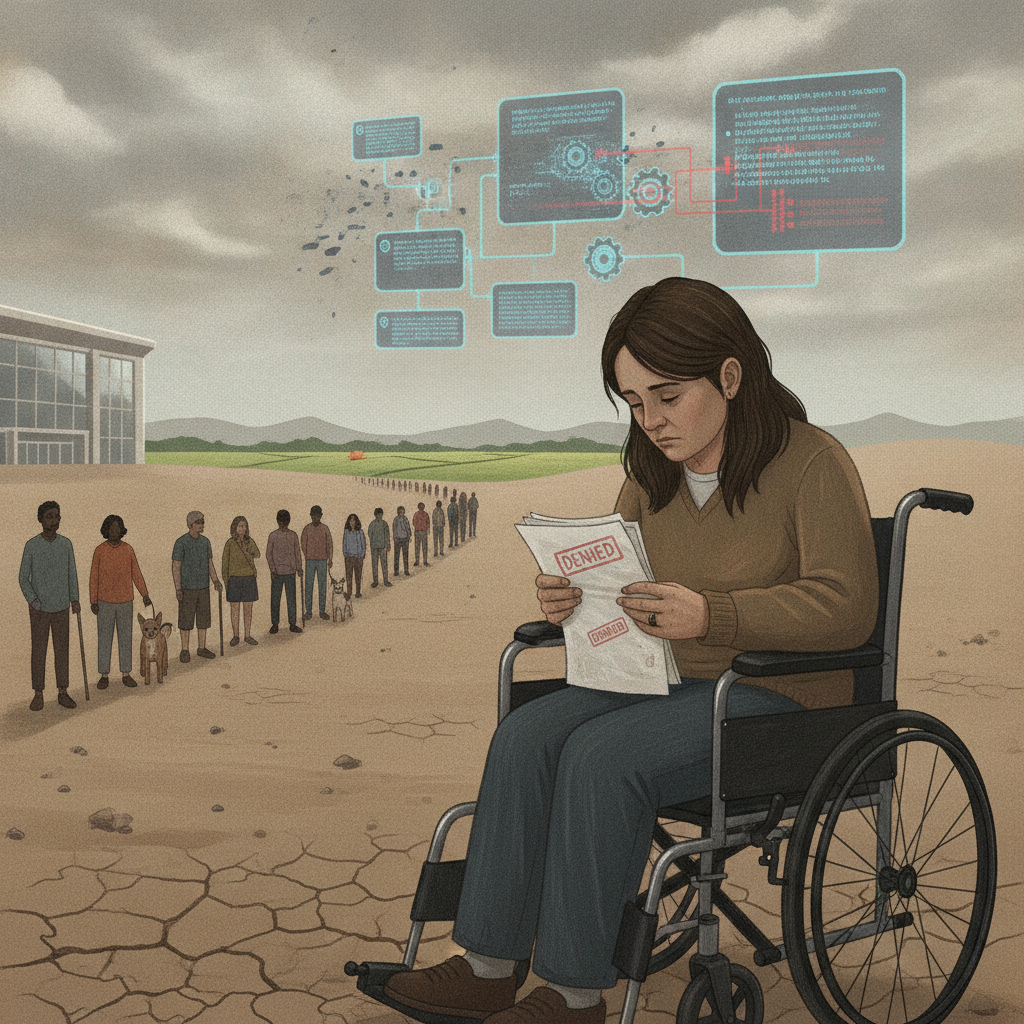
Reported facts: NPR reports that computerized systems that determine Medicaid eligibility and benefits have a history of errors and that recent changes intended to comply with a Trump-era tax and domestic policy law have inundated those systems. As reported, disabled patients have faced Medicaid denials and experienced distress. Attributed claims: NPR attributes system strain to policy-driven changes and links that strain to denials affecting disabled people. Uncertainty: the report does not provide independent technical audits, exact counts of people affected, or comprehensive responses from responsible agencies or contractors in the supplied material.
Source and Framing Analysis
Source role: NPR is the sole supplied primary reporter; the piece centers patient experiences and system failures. Missing voices: the supplied material lacks direct statements from state Medicaid agencies, federal regulators (CMS), technology contractors, independent technical auditors, and quantitative data on the scope of denials. Incentives/framing: the story foregrounds human impact to highlight potential institutional failure and to press for accountability. What requires verification: the specific causal link between the cited policy change and system failures, the number of people affected, and what technical or management failures produced denials.
Biblical Reflection
The story highlights a recurring practical problem where technical systems meant to serve vulnerable people instead create barriers. The reporting centers affected individuals and indicates systemic failure rather than isolated user mistakes. Christians should evaluate both the truthfulness of the reported link between policy changes and IT failures and the moral urgency: when public systems deny benefits to the disabled, neighbors are harmed and institutions must be held accountable. Watch for missing institutional responses and technical audits; exercise mercy for those harmed while pursuing justice and transparency. The underlying worldview in the report places emphasis on institutional responsibility and the human cost of bureaucratic or technological neglect.
Scripture in context
- 1Luke 10:25–37 (Parable of the Good Samaritan) — In a teaching interaction about 'neighbor,' Jesus tells a parable where religious bystanders pass by an injured man and a Samaritan provides practical care; the story instructs active, compassionate response to immediate human need and defines neighborliness in practical terms. — This passage encourages Christians to prioritize practical care (helping the injured, advocating for access to care) when institutions fail people; being a neighbor means intervening to meet urgent needs and to press systems toward justice.
Faithful Response
Pray for affected individuals, for clear technical and policy remedies, and for humility among officials and contractors.
Contact local representatives and state Medicaid offices to request transparency, technical audits, and corrective action while providing concrete documentation or referrals for those harmed.
Offer direct, practical help to neighbors (transportation to appointments, assistance filing appeals, emergency funds) and connect them with legal or benefits-navigation services.
Reflection and Discussion
- 1What evidence would confirm that policy changes (rather than unrelated technical or managerial failures) caused the recent increase in errors?
- 2Which institutional voices are absent in the reporting, and how would their inclusion change our assessment of responsibility and remedy?
- 3How can Christians responsibly hold systems accountable without losing compassion for workers or officials caught in complex technical transitions?
Sources
Reporting links are evidence inputs; Sanctuary News' biblical reflection is commentary.
This outlook currently relies on fewer than two linked sources. Broaden verification before teaching from it.
- 1.'I just wanted to give up': Disabled patients face Medicaid denials from IT errorsprimary_reporting