News Summary
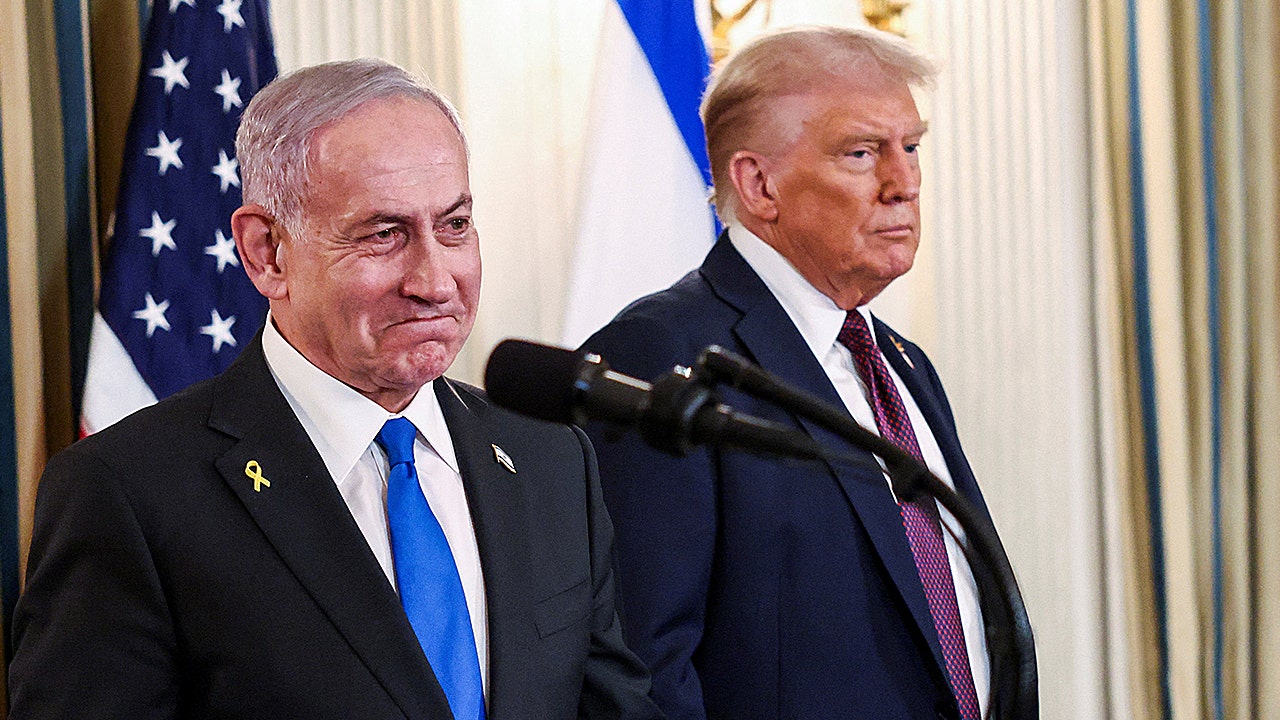
U.S. and regional military pressure on Iran continues amid negotiations for a U.S.–Iran memorandum of understanding (MOU) that President Donald Trump said was expected to be signed imminently. Israeli forces struck positions in Beirut — reported as a second strike — and Israeli officials say Hezbollah had attacked Israeli civilians over the prior three days. A diplomat involved in talks told Fox News those Israeli strikes risked derailing the negotiations and were intended to undermine the U.S. agreement. President Trump publicly criticized Israel’s strikes and made blunt comments about Prime Minister Benjamin Netanyahu on social media and to reporters. Netanyahu’s office said Israel is not a party to the U.S.–Iran MOU and reiterated warnings about Iran’s hostility. Analyst Natan Sachs told Fox News there is growing fear in Jerusalem that Trump could “flip” on Netanyahu if Trump grows weary of the Israeli leader’s actions; Sachs contrasted Netanyahu’s long-term, suspicious strategic posture with Trump’s preference for rapid diplomatic wins. Talks reportedly involve Pakistani mediation; the article quotes Israeli and U.S. officials, an involved diplomat, and analysts outlining divergent goals and temperaments between Washington and Jerusalem.
Biblical Reflection
The article highlights a real tension between immediate diplomatic objectives and long-running security fears — a classic dilemma in peacemaking. Factually, it reports statements from multiple actors (U.S. president, Israeli prime minister, a diplomat, and an analyst), but much of the narrative rests on interpretation and quoted opinion (e.g., claims that strikes are deliberate sabotage and that a president might “flip”). Readers should note that such assertions reflect the sources’ perspectives and political stakes: Israeli actions are presented as driven by national security anxieties, while U.S. actions prioritize a negotiated outcome. The piece mixes reporting with opinionated analysis and emotionally charged quotes that can inflame partisan instincts on both sides. From a Christian pastoral lens, the story calls us to three priorities: seek truth (verify competing claims rather than accepting politicized narratives), practice mercy (remember the civilians harmed in Lebanon and Israel), and pursue peace with humility (recognize the limits of any leader’s wisdom and the complexity of security and justice). Christians can resist binary thinking that demonizes one side and instead pray and advocate for verifiable agreements that protect the innocent and reduce the risk of wider conflict.
Scripture in context
This outlook does not yet include contextual Scripture citations. Do not treat a general biblical theme as an exegetical conclusion.
Faithful Response
No prescribed response is offered. Consider the reflection prompts below in your own church context.
Reflection and Discussion
- 1Whose security and suffering are centered in this coverage, and which human costs might be receiving less attention?
- 2Are strong, colorful quotes (e.g., accusations of ‘sabotage’ or a leader who may ‘flip’) being presented as fact or as interpretation, and how does that shape our judgment?
- 3When diplomacy offers a quick win versus a long-term strategy, how do we evaluate the moral trade-offs between immediate peace and enduring security?
Sources
Reporting links are evidence inputs; Sanctuary News' biblical reflection is commentary.
This outlook currently relies on fewer than two linked sources. Broaden verification before teaching from it.
- 1.Original reportprimary