News Summary
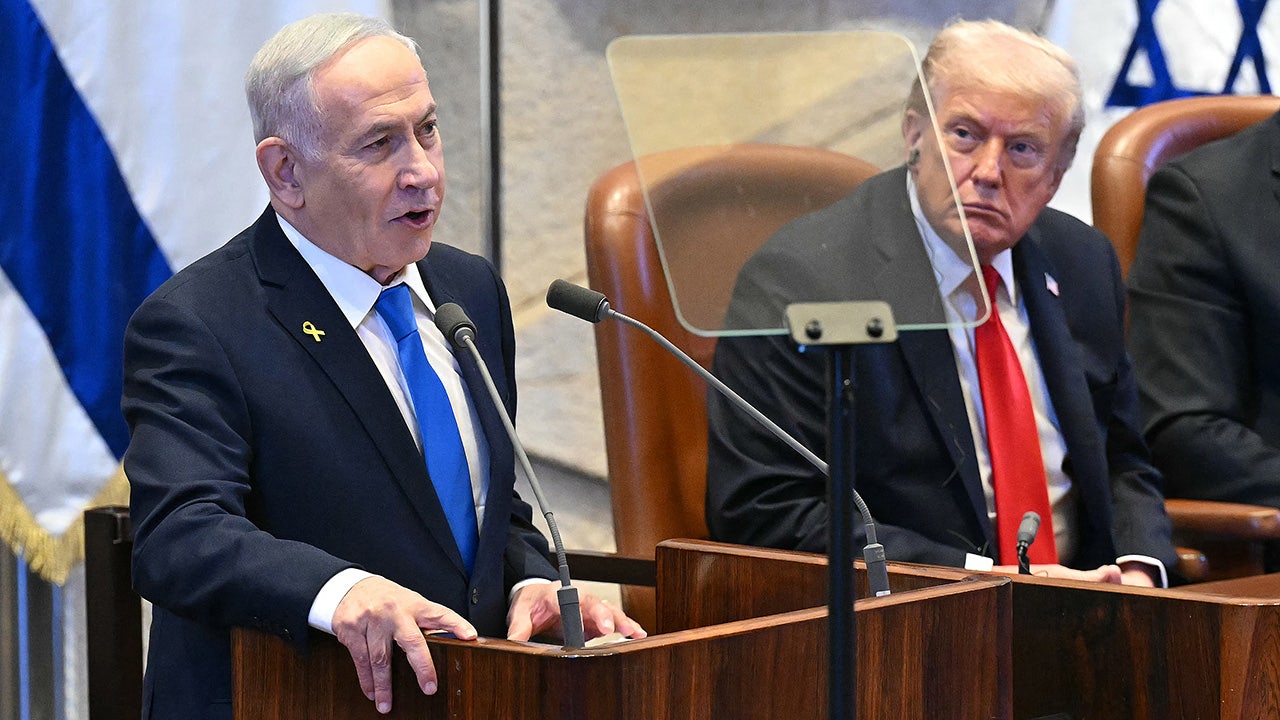
Iran’s Supreme National Security Council and the U.S. announced a memorandum of understanding (MOU) reached between President Donald Trump and Iran to end the multi-front war, with Tehran saying military operations, including in Lebanon, would cease “immediately and permanently.” The MOU is a framework; negotiators say comprehensive final agreements will be negotiated after both sides implement framework obligations, with talks expected to continue for up to 60 days. Israeli leaders gave mixed reactions: Defense Minister Israel Katz said the Israel Defense Forces (IDF) will not withdraw from southern Lebanon and would act if Iran attacked; he and Prime Minister Benjamin Netanyahu reportedly conveyed Israel’s security concerns to U.S. officials. Critics in Israel — including former and current officials and analysts quoted by the article — said details remain sketchy and expressed concern the deal may leave Iran’s enrichment, missile, and proxy capabilities insufficiently constrained. Opposition leader Yair Lapid called the outcome a failure for Israel. National Security Minister Itamar Ben-Gvir stated Israel is not bound by the MOU. Netanyahu’s office said Israel is not a party to the MOU but expressed appreciation for Trump’s commitment that a final deal would include removal of enriched material, limits on missile production, dismantling enrichment infrastructure, and cessation of support for proxies; Netanyahu reiterated his pledge that Iran will not obtain nuclear weapons while he is prime minister. The article cites Israeli reports of IDF operations against Hezbollah infrastructure and expert questions about inspection regimes, enrichment limits, and the clause affecting Lebanon.
Biblical Reflection
This story describes a high-stakes diplomatic development with immediate security implications. The article largely reflects Israeli security anxieties and presents skeptical expert commentary about the MOU’s sufficiency; it relies on Israeli officials and analysts and emphasizes military readiness and potential threats from Iran and its proxies. A faithful Christian reading should prize truth and careful discernment: the public still lacks full text and verification of the MOU’s terms, so caution is warranted before accepting find‑for‑or against narratives. The reporting highlights legitimate concerns about civilian protection, regional stability, and sovereignty — issues Christians should care about — but it also displays a worldview that sees diplomacy primarily through strategic and existential threat frames. That framing can obscure alternative paths: diplomacy’s potential to reduce bloodshed, the human cost on all sides, and the voices of populations in Lebanon and Iran. Pastoral discernment calls for humility about incomplete information, compassion for civilians who suffer in war, and prayerful engagement with leaders while urging policies that seek both security and reconciliation when possible. Christians should be critical of selective sourcing and partisan emphasis, seek balanced reporting and verified documents, and hold leaders accountable to both protecting citizens and pursuing sustainable peace grounded in justice and neighbor-love.
Scripture in context
This outlook does not yet include contextual Scripture citations. Do not treat a general biblical theme as an exegetical conclusion.
Faithful Response
No prescribed response is offered. Consider the reflection prompts below in your own church context.
Reflection and Discussion
- 1Which voices are missing from this account (Lebanese civilians, non-governmental monitors, Iranian civil society), and how would their inclusion change our understanding of the deal's effects?
- 2Is the reporting emphasizing military security at the expense of diplomatic, humanitarian, or reconciliation perspectives — and what does that reveal about underlying assumptions?
- 3Given the lack of a public, verifiable text, how should Christians weigh official claims and political rhetoric when forming judgments about peace and justice?
Sources
Reporting links are evidence inputs; Sanctuary News' biblical reflection is commentary.
This outlook currently relies on fewer than two linked sources. Broaden verification before teaching from it.
- 1.Original reportprimary