News Summary
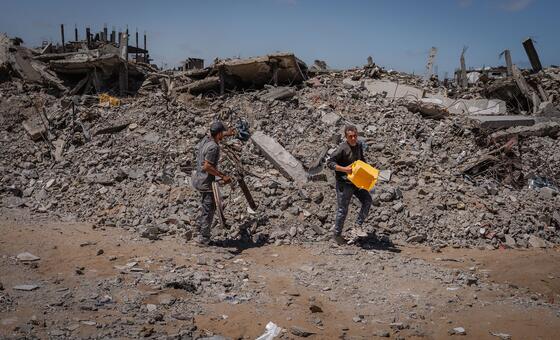
Facts reported: Israeli attacks in Gaza have intensified and are described as deadly; the UN chief and senior UN officials condemned the killings; there has been a surge in settler violence in the West Bank; aid agencies are scrambling to assist affected Palestinians. Attributions and uncertainty: the article attributes condemnations to the UN chief and top officials but does not provide casualty totals, specific dates, exact locations of incidents, or detailed accounts from local authorities or independent monitors. The single supplied source is the UN News summary.
Source and Framing Analysis
The story is sourced to UN News and foregrounds institutional condemnation and humanitarian strain. That framing prioritizes civilian suffering and international response, which is appropriate for a humanitarian bulletin, but it leaves material gaps (numbers, timelines, responsible parties’ statements, and on-the-ground detail). Those gaps limit the reader’s ability to evaluate scale, probable causes, or the immediate operational context of the reported attacks.
Biblical Reflection
This brief report highlights acute human suffering and the collapse of basic safety for civilians caught between intensified military operations and escalating settler violence. The article centers institutional condemnation (the UN chief and senior officials) and an immediate humanitarian response rather than detailed operational or political analysis. That framing rightly prioritizes the needs of vulnerable people, but the short report leaves out specifics (casualty figures, dates, precise locations, and root causes), which are important for informed public discernment.
From a Christian perspective, the core demands of the situation are unambiguous: protect the lives of noncombatants, afford urgent care to those who are wounded or displaced, and pursue justice that prevents further cycles of retaliation. Christians should be wary of narratives that dehumanize either side or that reduce people to statistics; our responsibility is to seek truth, bear witness to suffering, and press for mercy and accountability. The report's emphasis on humanitarian strain invites practical responses — prayer, informed advocacy for safe humanitarian access, and material support for trusted relief organizations working on the ground.
Finally, the piece demonstrates how quickly violence multiplies harms — not only immediate deaths and injuries but displacement, damaged infrastructure, and long-term trauma. Christians who hold public influence should use it to call for protection of civilians, truthful reporting, and honest efforts toward reconciliation, remembering that faithful peacemaking often requires courage, long-term commitment, and willingness to name injustice wherever it is found.
Scripture in context
- 1Matthew 5:9 (Beatitudes — 'peacemakers') — In the Sermon on the Mount, Jesus pronounces blessings on attitudes and behaviors that reflect the kingdom of God, including those who pursue peace amid injustice and conflict. — The passage calls Christians to active peacemaking — not passive neutrality — which in practice means protecting and advocating for civilians, supporting relief efforts, and working toward just settlements of conflict rather than celebrating victory or retribution.
Faithful Response
Pray regularly for civilians, relief workers, and leaders on all sides; ask for truth, protection, and a turn toward peace.
Support reputable humanitarian organizations providing medical care, shelter, food, and protection for displaced persons.
Demand and share accurate information: encourage your community to prioritize verified reports over rumor; advocate for safe, sustained humanitarian access and accountability for attacks on civilians.
Engage local church networks to offer pastoral care, practical relief, and educational resources to help congregations respond compassionately and wisely.
Reflection and Discussion
- 1Where does my compassion extend in this conflict, and how do I guard against simplifying complex human suffering into side-taking?
- 2How should Scripture shape my public witness — for justice, for mercy, and for the protection of civilians — in response to reports of intensified violence?
- 3What information would I need to responsibly advocate for a policy or action that affects people in this conflict?
Sources
Reporting links are evidence inputs; Sanctuary News' biblical reflection is commentary.
This outlook currently relies on fewer than two linked sources. Broaden verification before teaching from it.
- 1.Israeli attacks on Gaza intensify amid surge of West Bank settler violenceofficial_document