News Summary
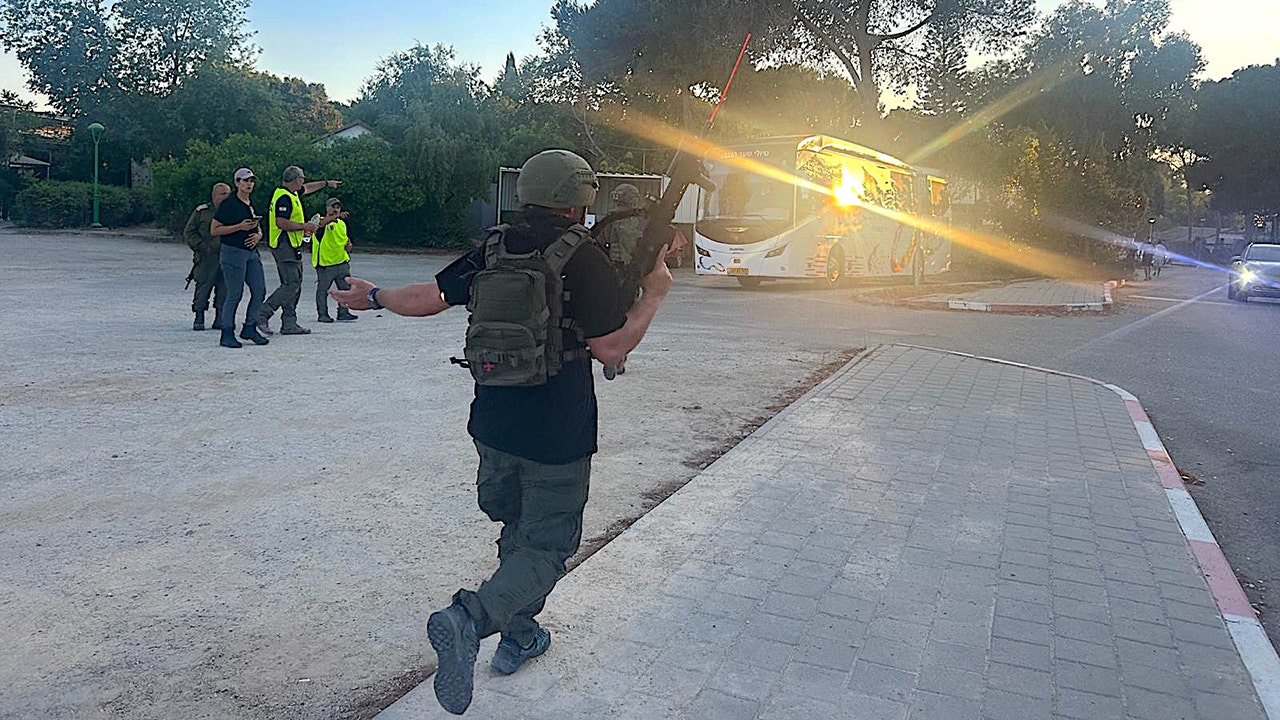
On July 8, 2026, Magen48 and the Israel Defense Forces ran a full-scale civilian defense exercise at Kibbutz Bror Hayil near the Gaza border to rehearse responses to an Oct. 7–style infiltration. The drill — the eighth at this kibbutz and part of a broader program that Magen48 says has trained about 1,500 civilians in more than 550 sessions — simulated terrorists entering community locations including a kindergarten, measured response times, practiced evacuations and casualty treatment, and emphasized teamwork and handing control to IDF forces when they arrive. No live ammunition was used; weapons and equipment were secured and residents were notified. Participants included 47 people, among them IDF soldiers and Gaza Division medical personnel. Magen48 was founded in July 2024 by counterterrorism professionals Ehud Dribben, Ari Briggs and Mike Aron; the organization says it aims to provide each of the 67 Gaza-envelope communities with 12 full training days annually. The program focuses on weapons familiarization, coordinated language and procedures for multi-community responses, and the use of paired/team tactics rather than lone action. Observers quoted in the article, including retired British Col. Richard Kemp, described the drills as complex and intended to prevent another Oct. 7–type mass-casualty attack.
Biblical Reflection
The training described is primarily defensive and aimed at saving civilian lives by improving local preparedness and coordination with military forces. From a Christian pastoral perspective, protecting the vulnerable and organizing to reduce harm aligns with the biblical call to care for neighbors and preserve life. At the same time, the article frames the problem almost entirely from an Israeli-security viewpoint; it does not explore broader political causes, the condition of Palestinian civilians, or alternative, nonmilitary means of preventing violence. Readers should note that this framing narrows the moral conversation to preparedness and deterrence, which is important, but incomplete. Ethically, equipping communities for immediate protection can be a necessary act of stewardship and love; yet Christians should also hold in tension the need for restraint, the risk of normalizing armed civilian roles, and the long-term pursuit of justice and reconciliation. Finally, be attentive to trauma and pastoral needs in communities shaped by repeated violence — readiness must be paired with care for the wounded, grieving, and those tempted toward dehumanization of perceived enemies.
Scripture in context
This outlook does not yet include contextual Scripture citations. Do not treat a general biblical theme as an exegetical conclusion.
Faithful Response
No prescribed response is offered. Consider the reflection prompts below in your own church context.
Reflection and Discussion
- 1Whose perspectives and suffering are centered in this report, and whose experiences are omitted?
- 2Does arming and training civilians for defense address only immediate risk, and what are the long-term moral and social effects of that policy?
- 3How should Christians weigh the duty to protect life against the need to avoid dehumanizing others and to work toward just peace?
Sources
Reporting links are evidence inputs; Sanctuary News' biblical reflection is commentary.
This outlook currently relies on fewer than two linked sources. Broaden verification before teaching from it.
- 1.Original reportprimary