News Summary
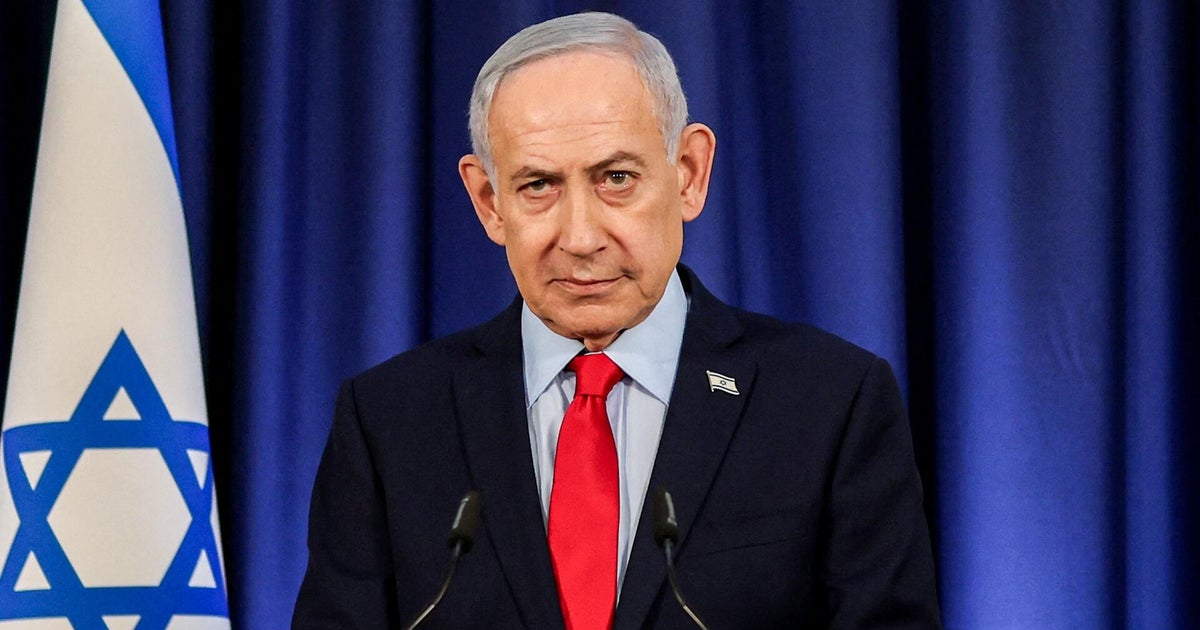
CBS News reported that Israeli Prime Minister Benjamin Netanyahu made a secret trip to the United Arab Emirates in late March to meet UAE President Mohammed bin Zayed (MBZ), according to multiple sources. Netanyahu's office acknowledged the trip and described it as producing a "historic breakthrough" in relations between Israel and the UAE. The UAE Ministry of Foreign Affairs issued a statement denying that any unannounced visit or undisclosed arrangements had taken place, saying relations with Israel are publicly conducted under the Abraham Accords. The story notes that the UAE was the first country to join the Abraham Accords in 2020; that Israel has sent Iron Dome batteries and personnel to the UAE (per U.S. Ambassador Mike Huckabee and other sources); and that the Wall Street Journal reported the UAE carried out military strikes on Iran last month, which the UAE has not publicly acknowledged. The report also references a past 2018 meeting between Netanyahu and MBZ.
Biblical Reflection
From a Christian perspective, this report raises several points for discernment. First, the factual record is contested: Israeli officials confirm the visit and call it a breakthrough, while UAE officials deny unannounced meetings. Where authorities conflict, Christians should avoid rushing to judgment and instead seek careful verification (Proverbs 18:13). Second, secrecy in diplomacy can reflect legitimate security concerns—but secrecy also invites suspicion, encourages rumor, and diminishes public accountability. The tension between prudence for national security and the biblical call to truth and transparency (Ephesians 4:25) should make Christians cautious about assuming bad faith without evidence. Third, the underlying move—closer Israel–Gulf cooperation, including defense cooperation—appears driven by mutual security concerns (for example, regarding Iran) and by geopolitical realignment. That dynamic is not inherently good or bad; it should be judged by whether it advances genuine peace, protects innocent life, and respects justice. Finally, Christians are called to be peacemakers (Matthew 5:9) and to pray for leaders and nations (1 Timothy 2:1–2). The reporting highlights competing narratives and the realities of power politics; the Christian response is to pursue truth, pray for wise and just leadership, and favor diplomacy that reduces violence and protects the vulnerable.
Scripture in context
This outlook does not yet include contextual Scripture citations. Do not treat a general biblical theme as an exegetical conclusion.
Faithful Response
No prescribed response is offered. Consider the reflection prompts below in your own church context.
Reflection and Discussion
- 1When official accounts conflict, what sources and standards do I use to judge which narrative is likely accurate, and how does a desire for certainty shape my response?
- 2Does secrecy in statecraft make me more suspicious by default, or does it prompt me to pray for wisdom and restraint on behalf of leaders?
- 3How should Christians weigh strategic security cooperation (e.g., arms and defense aid) against the pursuit of lasting peace and protection of civilians?
Sources
Reporting links are evidence inputs; Sanctuary News' biblical reflection is commentary.
This outlook currently relies on fewer than two linked sources. Broaden verification before teaching from it.
- 1.Original reportprimary