News Summary
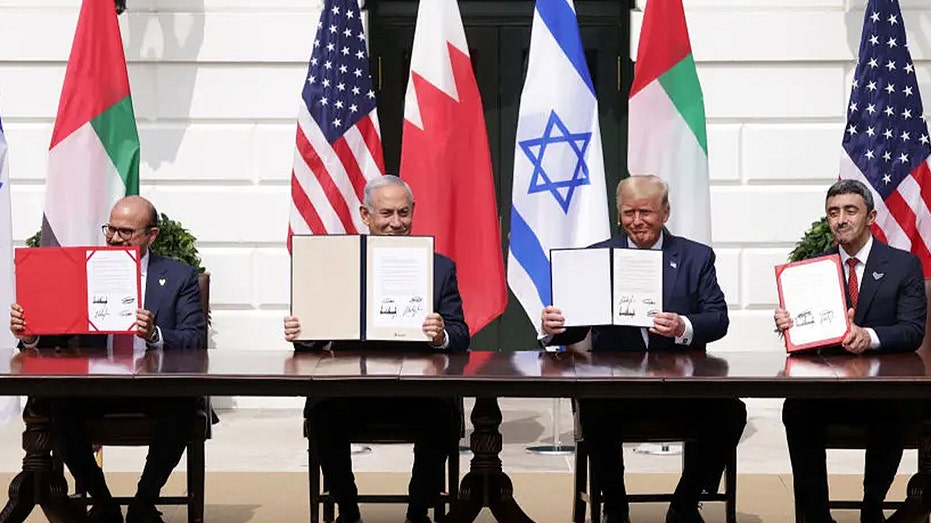
Reported facts: The article states that former President Trump asserted a Saudi nuclear deal depends on Saudi Arabia joining the Abraham Accords; it reports that experts disagree on whether Israel is isolated or building ties; and it says polls and diplomatic activity point in opposite directions. Attributed claims: The characterization of Israel as 'isolated' is presented as a debated assessment among experts and media narratives. Uncertainties: The article does not provide detailed polling figures, the identities or arguments of the experts quoted are not specified in the supplied text, and there is no direct Saudi government confirmation included in the supplied material.
Source and Framing Analysis
The framing sets up a clear tension—'polls' versus 'diplomacy'—which invites readers to view the situation as contradictory. That framing can overemphasize the contrast without giving full detail on either side (e.g., which polls, their questions, sample sizes, or which diplomatic contacts are counted). The article centers a political actor (Trump) and his framing of a possible deal, which may skew emphasis toward a negotiation narrative rather than concrete, verifiable developments. Material uncertainties—missing poll data, unnamed experts, and absent Saudi official statements—affect the reader's ability to assess the claims.
Biblical Reflection
This story highlights the tension between perception and policy. Christians should notice how narratives of isolation or normalization are often shaped by political framing and selective facts; our calling is to seek truth, speak with humility, and prioritize human welfare over partisan advantage. The gospel teaches that peacemaking is a vocation—supporting diplomacy that reduces suffering and protects the vulnerable is consistent with Christian neighbor-love. At the same time, Christians must hold leaders accountable where justice or truth is at stake: claims about security arrangements or deals that will shape regional balance deserve careful scrutiny.
Be wary of simplifying complex international realities into binary moral judgments. Polls can capture feelings and perceptions; diplomacy records concrete engagements. Both matter, but neither alone gives the whole picture. Pray for clarity for those making decisions, compassion for those affected by regional tensions, and courage for communities and leaders to pursue policies that seek stability, justice, and the protection of civilians. Finally, maintain humility—our perspectives are partial, and Christian engagement is best marked by careful listening, informed judgment, and persistent prayer.
Scripture in context
- 1Matthew 5:9 — In the Sermon on the Mount, Jesus calls his followers blessed when they act as peacemakers, offering a vision of community shaped by reconciliation rather than domination. — This passage encourages Christians to support efforts that reduce conflict and promote just peace, reminding readers that peacemaking is an active pursuit that may involve diplomacy, protection of the vulnerable, and principled advocacy.
- 2Philippians 2:3-4 — Paul exhorts believers to humility, valuing others above themselves and looking to the interests of others, framed by Christ's self-giving example. — Applied to geopolitics, this counsel counsels humility in public judgment, an ethic of putting others' wellbeing ahead of national prestige, and a posture that resists simplistic triumphalism about allies or isolation.
Faithful Response
Pray regularly for leaders, diplomats, and civilians affected by Middle East tensions, asking for wisdom, protection, and opportunities for just peace.
Seek trustworthy, detailed information before adopting definitive views—ask what polls measure, who is negotiating, and what safeguards are proposed.
Support and donate to credible humanitarian organizations working with civilians in conflict-affected areas, prioritizing relief and reconciliation.
Practice humility in public conversations: listen to those directly affected and avoid amplifying partisan simplifications.
Reflection and Discussion
- 1How can Christian love of neighbor shape our expectations for diplomacy and security arrangements in conflict-prone regions?
- 2When public opinion and statecraft diverge, where should Christians place their trust and how should they seek discernment?
- 3What concrete steps can our church take to support peacemaking and humanitarian care without becoming partisan?
Sources
Reporting links are evidence inputs; Sanctuary News' biblical reflection is commentary.
This outlook currently relies on fewer than two linked sources. Broaden verification before teaching from it.
- 1.Is Israel really isolated? Polls and diplomacy point in opposite directionsprimary_reporting