News Summary
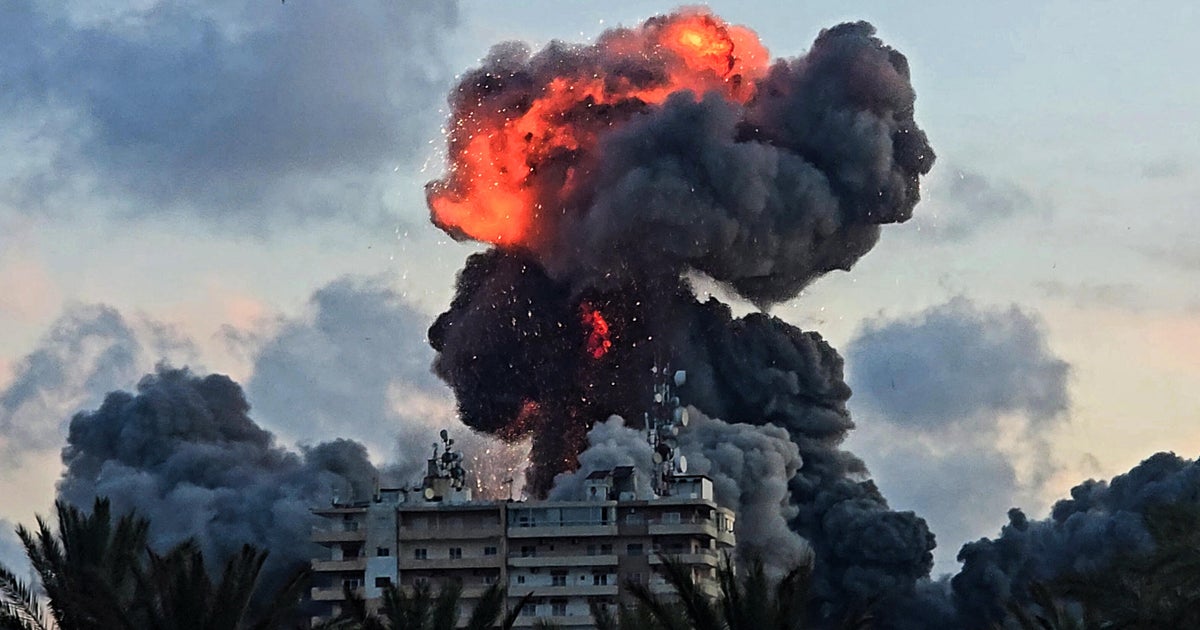
The governments of Israel and Lebanon, with U.S. mediation, announced agreement to renew a ceasefire contingent on Hezbollah stopping attacks and withdrawing from parts of southern Lebanon. The joint statement said the deal would allow Lebanese military 'pilot zones' to displace non-state actors and called for further talks in about three weeks toward a comprehensive agreement. The U.S. brokered the arrangement amid wider U.S.–Iran negotiations tied to ending hostilities and reopening regional channels. After the announcement, Lebanon's state news agency reported Israeli drone strikes in southern Lebanon that wounded a family, and Israel's defense minister said Israeli troops would remain in the south, evacuated residents could not yet return, and Israel retained the freedom to strike Beirut if Hezbollah attacks. The article notes months of exchanges between Israel and Hezbollah, thousands of reported Lebanese deaths, dozens of Israeli deaths, over one million displaced in Lebanon, and Iran's influence over Hezbollah. It also reports statements by former U.S. President Trump pressing for reduced fighting and describing tense private calls with Israeli leadership. The agreement is framed as contingent on Hezbollah compliance and includes plans for further bilateral talks between Israel and Lebanon.
Biblical Reflection
This agreement reflects a pragmatic, state-centered attempt to reduce violence and open space for broader diplomacy. From a Christian perspective, the conditional ceasefire aims at the right ends—lessening bloodshed and protecting civilians—but its effectiveness depends on truthfulness and follow-through by powerful actors. The article largely reports official statements from governments and military leaders; readers should note the asymmetry of power and the limited reporting on civilian perspectives and Lebanese political complexities. Spiritually, the news highlights how realpolitik, fear, and security needs drive decisions while ordinary people bear the consequences. Christians should weigh the duties of justice and protection for the vulnerable alongside calls for mercy toward enemies and restraint in rhetoric that dehumanizes. The joint statement’s emphasis on state sovereignty and excluding non-state actors raises legitimate questions about accountability, but the conditional and provisional nature of the accord means fragile peace could collapse if either side pursues military advantage or retaliatory threats. Pastoral discernment calls us to pray for honest leadership, to prioritize humanitarian access for displaced families, and to resist narratives that treat entire peoples as monolithic enemies. We should also be wary of uncritically accepting government assurances; truth and transparency matter for lasting peace.
Scripture in context
This outlook does not yet include contextual Scripture citations. Do not treat a general biblical theme as an exegetical conclusion.
Faithful Response
No prescribed response is offered. Consider the reflection prompts below in your own church context.
Reflection and Discussion
- 1Whose voices are missing from the reported agreement — are the perspectives of displaced civilians, Lebanese political actors beyond state security, and ordinary Israelis being heard?
- 2Does the framing that prioritizes state sovereignty and removal of 'non-state actors' obscure root causes and long-term reconciliation needs in the region?
- 3How should Christians balance the legitimate needs for security and justice with calls for mercy, restraint, and protection of civilians when assessing diplomatic claims?
Sources
Reporting links are evidence inputs; Sanctuary News' biblical reflection is commentary.
This outlook currently relies on fewer than two linked sources. Broaden verification before teaching from it.
- 1.Original reportprimary