News Summary
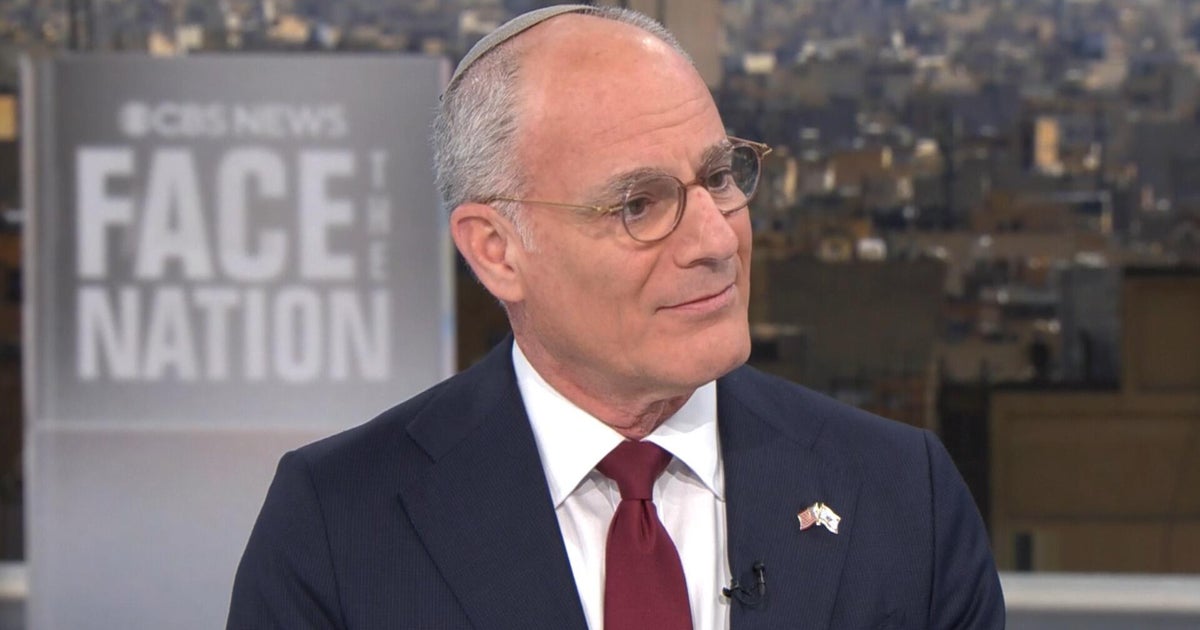
This is a transcript of a July 12, 2026 Face the Nation interview with Israeli Ambassador to the U.S. Michael Leiter. Leiter praised the late Senator Lindsey Graham and supported Graham’s push for Israel–Saudi normalization, saying progress depends on reducing Iran’s regional power. He described a recent U.S.–Iran MOU as having failed after the IRGC fired on a commercial vessel and the U.S. resumed kinetic strikes; Israel has not been asked to join U.S. strikes but would do so if requested. Leiter said Israel opposed the MOU as written, but expressed hope diplomacy could work if it produced concrete denuclearization and the end of proxy activity. He is leading Israel’s talks with Lebanon and said Israel will withdraw from southern Lebanese areas only if Hezbollah is dismantled; pilot withdrawal zones are being prepared with CENTCOM and the Lebanese Armed Forces. Leiter condemned reported attacks by settlers on a CNN crew and an incident involving Congressman Ro Khanna, but disputed some claims about embassy alerts and criticized Khanna’s coordination with Palestinian activists and J Street. He indicated negotiations would continue (with potential sessions in Rome) while funeral plans for Senator Graham could affect his travel.
Biblical Reflection
The interview reflects standard diplomatic posture: an ally emphasizing security, alliance solidarity, and skepticism toward an agreement viewed as weak on enforcement. Leiter’s remarks show a worldview that prioritizes deterrence and conditional diplomacy — peace is acceptable only when perceived security guarantees are credible. As a pastoral reader, note the legitimate need to protect citizens and prevent terrorism, but also watch for narrowed framing: the ambassador speaks for an Israeli government perspective and downplays Palestinian viewpoints, civilian harm, and the complex roots of violence. His condemnation of violence toward journalists and visitors is important, yet words must be matched by transparent accountability. Christians should weigh calls for security with the biblical imperatives to seek justice, to care for the vulnerable, and to prefer reconciliation where possible. Discernment is needed about claims that diplomacy “failed” absent verified independent assessments, and about rhetoric that equates criticism of government policy with disloyalty to a people. Pray for leaders who can balance courage and restraint, pursue durable peace that protects innocent lives, and repent where state or nonstate actors perpetrate abuses.
Scripture in context
This outlook does not yet include contextual Scripture citations. Do not treat a general biblical theme as an exegetical conclusion.
Faithful Response
No prescribed response is offered. Consider the reflection prompts below in your own church context.
Reflection and Discussion
- 1Whose perspectives and civilian experiences are absent from an official diplomatic account, and how does that shape the policy options presented?
- 2When diplomacy is dismissed as ineffective, what evidence would rightly justify returning to kinetic measures, and who bears the burden of proving those claims?
- 3How does framing criticism of a government as inherently hostile affect the possibility of honest debate and reconciliation?
Sources
Reporting links are evidence inputs; Sanctuary News' biblical reflection is commentary.
This outlook currently relies on fewer than two linked sources. Broaden verification before teaching from it.
- 1.Original reportprimary