News Summary
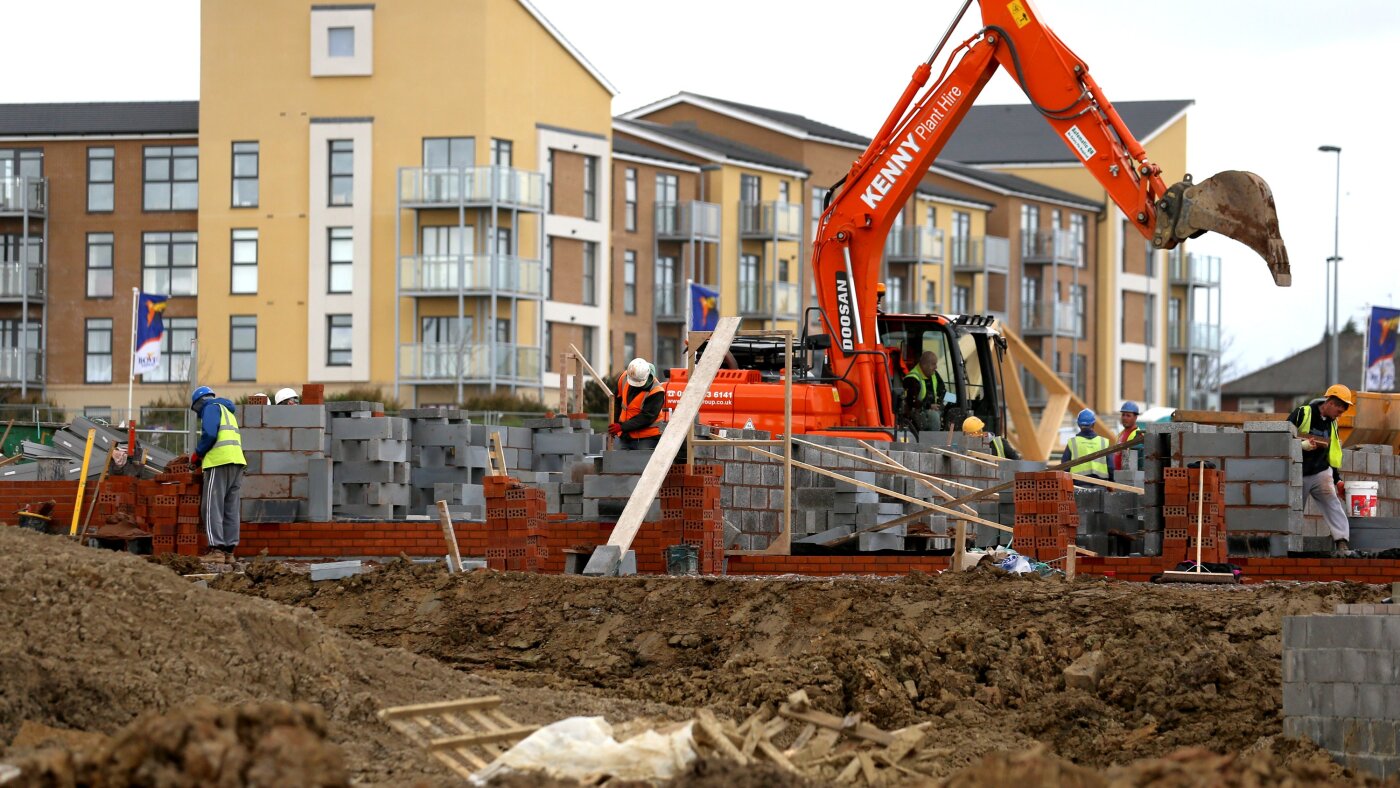
The article examines the challenges faced by the YIMBY ('Yes In My Backyard') movement, which advocates for increased housing development to make homes more affordable and accessible. President Trump has publicly opposed efforts to lower housing prices, appealing to the interests of homeowners who benefit from rising property values. The article highlights the political and structural obstacles the YIMBY movement faces, including the dominance of homeowners in local politics, resistance to change, and the entrenched power of NIMBY ('Not In My Backyard') attitudes. It discusses how some states, particularly California, are trying to override local opposition to spur development, but this raises questions about democracy and local control. The article also contrasts markets that have historically built ample new housing (like the Sunbelt and cities such as Austin and Nashville) with those where development is constrained, leading to high prices. While increased supply in places like Austin has led to falling prices, other areas remain prohibitively expensive. The article concludes with a sense of both pessimism and optimism: pessimism due to persistent political resistance and rising construction costs, but optimism as more leaders and citizens recognize the need for more housing to address affordability, even as the crisis impacts more families and essential workers.
Biblical Reflection
Scripture calls us to care for the vulnerable and to seek justice for the marginalized. The housing affordability crisis, as outlined in this article, presents a clear challenge to these biblical values. The tension between protecting individual wealth and ensuring access to basic shelter for all is both an economic and a moral issue. Jesus repeatedly warned against prioritizing earthly wealth over compassion for neighbors (Luke 12:15), and the early church modeled radical sharing so that "there was not a needy person among them" (Acts 4:34). The political resistance to affordable housing—often rooted in self-interest and fear of change—reflects a heart posture contrary to the biblical vision of community and hospitality (Isaiah 58:6-7). Christians are called to advocate for justice, fair treatment, and to seek the welfare of their cities (Jeremiah 29:7), even if it requires sacrifice. The article reveals how entrenched interests can lead to exclusion and segregation, harming the poor, the young, and essential workers. While political realities are complex, believers are called to be salt and light, standing for policies and personal actions that reflect God’s love for all, especially the least among us. The hope is that hearts would soften to prioritize people over property values, trusting that God provides and calls us to steward resources for the common good.
Scripture in context
This outlook does not yet include contextual Scripture citations. Do not treat a general biblical theme as an exegetical conclusion.
Faithful Response
No prescribed response is offered. Consider the reflection prompts below in your own church context.
Reflection and Discussion
- 1In what ways might I be tempted to prioritize my own comfort and security over the needs of others in my community?
- 2How can I advocate for housing justice and hospitality in my city, church, or neighborhood?
- 3What steps can I take to ensure my resources and influence are used to benefit the vulnerable and promote the common good?
Sources
Reporting links are evidence inputs; Sanctuary News' biblical reflection is commentary.
This outlook currently relies on fewer than two linked sources. Broaden verification before teaching from it.
- 1.Original reportprimary