News Summary
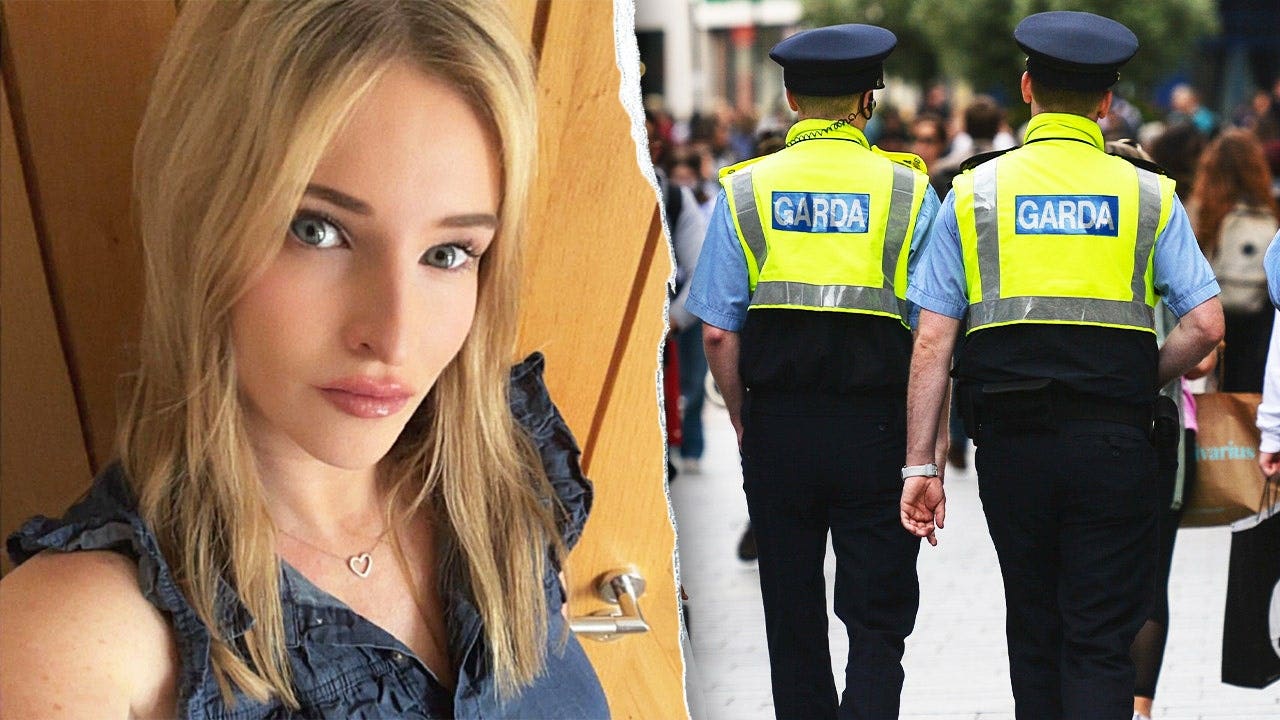
Irish police (An Garda Síochána) are conducting a murder investigation after 43-year-old American citizen Jamey Carney was found dead in her home in Killarney, County Kerry; police say she suffered head injuries and suffocation. Authorities have identified and are seeking a person of interest who, according to police, traveled from Killarney to Dublin Airport and boarded a flight to Turkey before Carney's body was discovered. Irish police have not publicly released the person's name, age, nationality or photo, citing legal constraints; some Irish media outlets have reported the person of interest is a 28-year-old asylum seeker originally from Jordan and have published a name, but police and the Department of Justice did not confirm that identity to the reporting outlet. Critics, including a Dublin city councilor and a former U.S. FBI agent quoted in the article, have argued that withholding identifying information hindered public assistance and gave the suspect a head start to leave the country. Supporters of restraint note legal protections and the risk of stoking xenophobia; a member of the Irish parliament warned media focus on nationality can inflame racism. Irish police issued alerts to transport hubs within about an hour of the body being discovered, and investigators are coordinating with Interpol, Europol and Turkish authorities as they attempt to locate the person of interest. Carney's 13-year-old daughter found her body; family members and local reporting describe Carney as a New Yorker who moved to Ireland in 2021. The case has also been reported amid broader public debate in Ireland over immigration and recent violent deaths of women in the country.
Biblical Reflection
This story raises two biblical responsibilities that can feel in tension: the call for truth and public safety, and the call to justice tempered by mercy and the dignity of persons. The article mixes confirmed police statements with media reports and unconfirmed details about the individual's immigration status; Christians should be cautious about accepting or amplifying unverified claims, especially when those claims can shape public sentiment against a vulnerable group. At the same time, the community rightly longs for transparent policing when a violent crime threatens public safety. A Christian posture holds both commitments: insist on truthful, timely information that aids justice and protects neighbors, while resisting rush-to-judgment or scapegoating based on nationality or immigration status. Pastoral concern includes care for the victim's family and child, prayer for investigators to pursue facts without bias, and attention to how reporting and political response might deepen fear or hatred toward migrants. Finally, advocates and citizens should press for accountability and clarity about legal protections that guide police communications, asking whether those rules balance individual rights with the public's need for safety.
Scripture in context
This outlook does not yet include contextual Scripture citations. Do not treat a general biblical theme as an exegetical conclusion.
Faithful Response
No prescribed response is offered. Consider the reflection prompts below in your own church context.
Reflection and Discussion
- 1Am I accepting unconfirmed reports about the suspect's identity or status without waiting for official verification, and how might that shape my view of immigrants?
- 2How should a society balance individual legal protections (privacy, asylum-process safeguards) with urgent public-safety needs during a criminal investigation?
- 3Are media and political responses centering the victim and facts, or amplifying narratives that could inflame prejudice and distract from finding justice?
Sources
Reporting links are evidence inputs; Sanctuary News' biblical reflection is commentary.
This outlook currently relies on fewer than two linked sources. Broaden verification before teaching from it.
- 1.Original reportprimary