News Summary
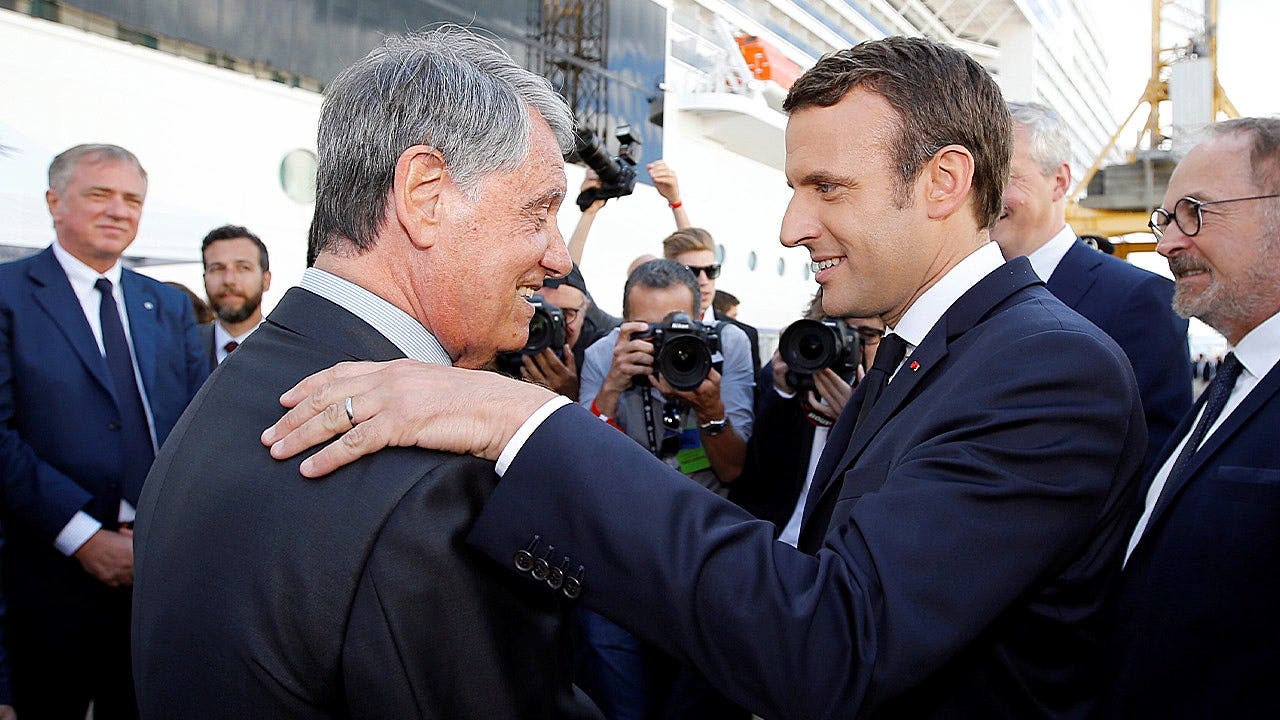
On April 22, 2026, Iranian state media and multiple outlets reported that the Islamic Revolutionary Guard Corps (IRGC) seized two commercial container ships — the MSC Francesca and the Epaminondas — in the Strait of Hormuz and attacked a third vessel (the Euphoria), which escaped. Footage broadcast on Iranian state TV showed IRGC personnel boarding the ships. Iran said the captured vessels were operating without necessary permits. The MSC Francesca, owned by MSC (founded by Gianluigi Aponte and now managed by his children), had about 40 crew members; some crew nationalities reported included Montenegrin and Croatian citizens. The IRGC reportedly took the vessels toward Bandar Abbas. Reuters, Windward AI, and other analysts described the action as retaliatory, following a U.S. naval blockade imposed on April 13 and a U.S. seizure of an Iranian vessel. Sources quoted in the coverage noted negotiations between MSC and Iranian authorities and said the sailors were being treated well. The article also notes business and political connections between the Aponte family and Western leaders, citing previous interactions with U.S. and French officials.
Biblical Reflection
From a Christian perspective, this episode highlights how cycles of retaliation and strategic signaling in geopolitics place ordinary people — here, merchant mariners — at risk. The article presents a mixture of direct reporting (seizures, footage, crew nationalities, movement to Bandar Abbas) and analysis (descriptions as "tit-for-tat," links to political figures). Readers should note two likely influences on the framing: (1) the use of state-produced Iranian footage and statements as primary sources, and (2) emphasis on elite connections (business ties to Western leaders) that can suggest motive but do not by themselves prove intent. Biblically, we are called to seek truth (Ephesians 4:25) and to value the safety and dignity of the vulnerable (Proverbs 31:8–9). The seizure raises legitimate concerns about justice for seafarers, the rule of law on international waters, and the broader stability of global commerce and energy markets. Christians should resist simplistic narratives that reduce complex state behavior to personal vendettas tied to elites; likewise we must not downplay the moral seriousness of state actions that endanger noncombatants. Pray for protection of innocent lives, wise and truthful reporting, and measured leadership that pursues de-escalation and just resolution rather than revenge.
Scripture in context
This outlook does not yet include contextual Scripture citations. Do not treat a general biblical theme as an exegetical conclusion.
Faithful Response
No prescribed response is offered. Consider the reflection prompts below in your own church context.
Reflection and Discussion
- 1What assumptions does the reporting make when it highlights business and political ties between owners and world leaders—does that focus clarify motive or invite speculation?
- 2Which voices are present (state media, intelligence firms, government spokespeople) and which are missing (independent inspectors, neutral maritime authorities, crew families)? How does that affect what we can reliably conclude?
- 3How does a Christian commitment to truth and care for the vulnerable shape our response to news that mixes geopolitical strategy with humanitarian risk?
Sources
Reporting links are evidence inputs; Sanctuary News' biblical reflection is commentary.
This outlook currently relies on fewer than two linked sources. Broaden verification before teaching from it.
- 1.Original reportprimary