News Summary
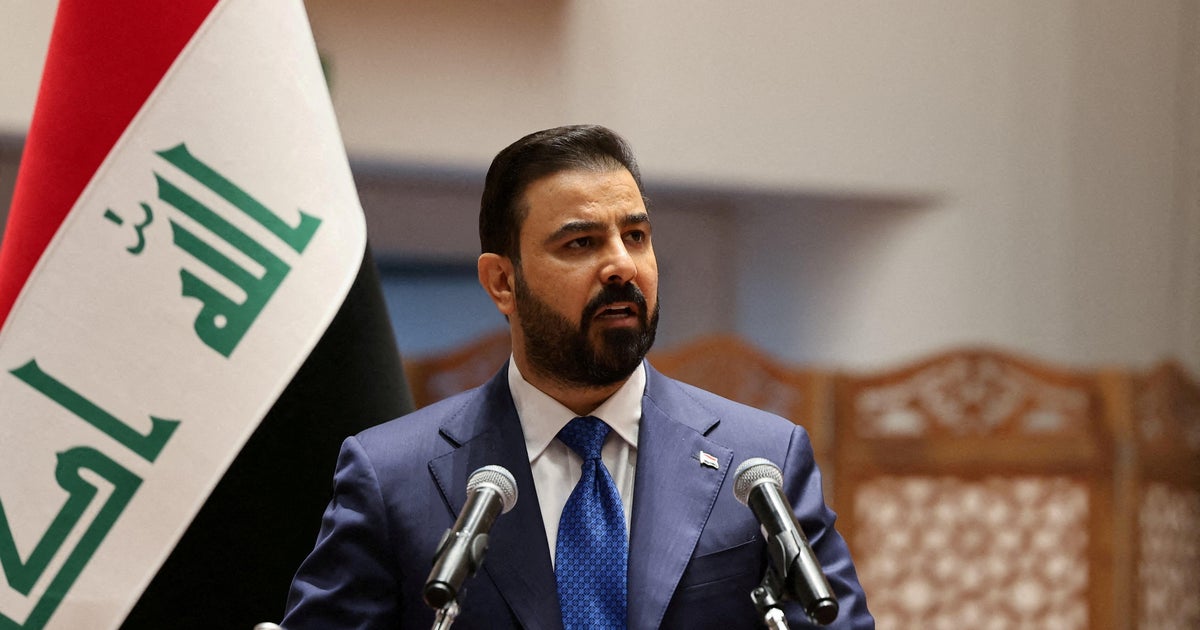
Iraqi authorities announced a series of anti-corruption operations that seized more than 825 pounds of gold, tens of millions of dollars in cash (reports cite about $96 million tied to the primary case), and additional assets including vehicles and real estate. At least 21 people were arrested, including current and former government officials and members of parliament; the actions were connected to the May arrest of former deputy oil minister Adnan al-Jumaili. Officials reported recoveries of 790 pounds of gold in one operation and 37 pounds in another; the gold was turned over to the central bank. In a separate related discovery, Iraqi dinar equivalent to $10.6 million was found in a drainage pit. The government says it is preparing extradition documents for suspects abroad. The article also notes that Prime Minister Ali Al-Zaidi, who began his term in May, has vowed to combat graft; he recently met with former U.S. President Donald Trump to discuss U.S. investment, militia disarmament, and a planned U.S. troop withdrawal. Regional concerns about Iran-backed militias and claims of attacks on Kuwaiti and other Gulf assets are mentioned as part of the broader security context.
Biblical Reflection
From a Christian perspective, rooting out corruption is a pursuit of justice and faithful stewardship: public resources entrusted to a nation’s leaders belong to the common good and must be protected. The article reports substantial recoveries and arrests that, if pursued with due process, transparency, and impartiality, could help restore trust and redirect resources to vulnerable citizens. At the same time, Christians should be alert to the moral complexity and practical risks: anti-corruption drives can be weaponized for political gain, may undermine due process if rushed or opaque, and can destabilize institutions if not paired with systemic reforms. The piece largely presents factual claims but leaves out key context about legal safeguards, independent oversight, and how recovered assets will be used — gaps that matter morally and practically. Spiritually, the story calls for both righteous indignation against theft and measured compassion: justice seeks accountability, but repentance, reconciliation, and structural change are needed to prevent relapse. Pray for courage and integrity among reformers, protection for civilians from backlash, and wisdom for international partners to support fair institutions rather than short-term political advantage.
Scripture in context
This outlook does not yet include contextual Scripture citations. Do not treat a general biblical theme as an exegetical conclusion.
Faithful Response
No prescribed response is offered. Consider the reflection prompts below in your own church context.
Reflection and Discussion
- 1Are the actions being taken accompanied by transparent legal processes and protections for due process, or are they primarily political displays?
- 2Do recoveries and arrests address the underlying systems that enable corruption, or mainly punish individuals without reforming institutions?
- 3How might foreign political or security interests be shaping the timing and portrayal of this anti-corruption campaign?
Sources
Reporting links are evidence inputs; Sanctuary News' biblical reflection is commentary.
This outlook currently relies on fewer than two linked sources. Broaden verification before teaching from it.
- 1.Original reportprimary