News Summary
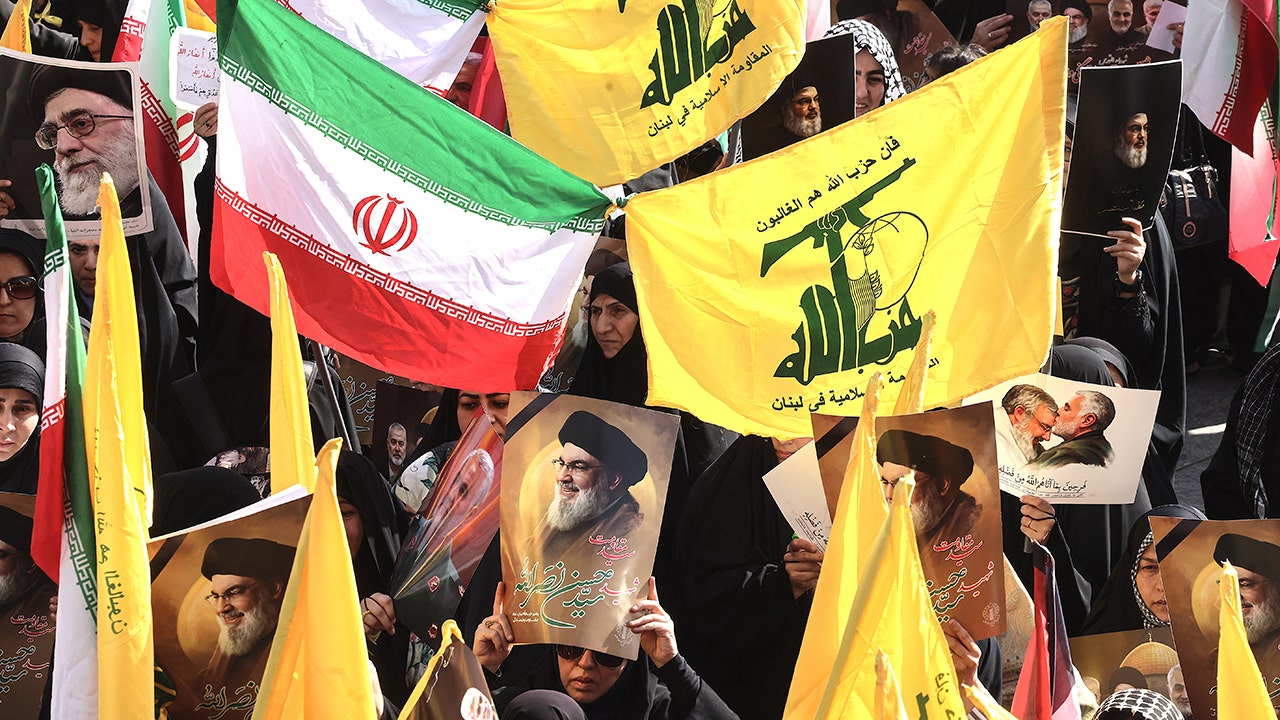
Iran publicly warned that exclusion of the Tehran-backed group Hezbollah from a U.S.-brokered, two-week ceasefire could undermine the agreement. Iran’s foreign minister and parliamentary speaker posted statements saying the United States must choose between enforcing a ceasefire or allowing continued hostilities via Israel. Pakistan’s prime minister, an intermediary in talks, had said the ceasefire would include Lebanon, but the Trump administration maintained the agreement did not cover Hezbollah. In related developments, the Israel Defense Forces (IDF) reported striking over 100 targets in Lebanon, saying the strikes hit Hezbollah command-and-control centers; Reuters and Lebanon’s health ministry reported dozens of civilian deaths in Beirut and nationwide. Commentators and Lebanese citizens quoted in the article described Hezbollah as an Iranian proxy that refuses to disarm and is embedded in Lebanese politics and population centers. The article cites differing casualty figures and notes ongoing diplomatic tensions, including Lebanon’s earlier declaration of an Iranian ambassador persona non grata and Iran’s refusal to withdraw him.
Biblical Reflection
From a Christian perspective, the story highlights the tragic intersection of geopolitical power, proxy warfare, and civilian suffering. The actors — nation-states, militant proxies, and mediators — are operating out of strategic and security priorities that often put civilians at grave risk. Scripture calls believers to pursue peace (Matthew 5:9) and to care for the vulnerable (Proverbs 31:8–9; Isaiah 1:17). The article reasonably reports official positions and battlefield claims, but readers should note several sources of partiality: statements come largely from government and military officials with incentives to justify actions; casualty counts are often contested in real time; and language such as “terrorist” or “human shields” may be used with little independent verification. The piece frames Hezbollah as both a political actor and an armed proxy for Iran — a characterization backed by many analysts — but it does not fully explore Lebanese domestic politics or the humanitarian consequences for ordinary Lebanese and Israeli civilians. Christians should weigh reported facts carefully, remain skeptical of single-source claims about responsibility or intent, and remember that the biblical call is not simply to choose sides but to pray for justice, protection of innocents, truthful witness, and wise leadership that seeks durable peace. In applying discernment, prioritize verified evidence over rhetoric, be alert to narratives that dehumanize populations, and insist on humanitarian access and restraint by all parties.
Scripture in context
This outlook does not yet include contextual Scripture citations. Do not treat a general biblical theme as an exegetical conclusion.
Faithful Response
No prescribed response is offered. Consider the reflection prompts below in your own church context.
Reflection and Discussion
- 1Which voices are prioritized in this coverage (state actors, military spokespeople, intermediaries, civilians), and how does that shape what we accept as verified fact?
- 2How does framing Hezbollah primarily as an external 'proxy' affect our understanding of Lebanese political dynamics and the responsibility for civilian protection?
- 3When headlines present a binary choice (ceasefire vs. continued war), what deeper political or moral trade-offs are being obscured that Christians should probe before forming judgments?
Sources
Reporting links are evidence inputs; Sanctuary News' biblical reflection is commentary.
This outlook currently relies on fewer than two linked sources. Broaden verification before teaching from it.
- 1.Original reportprimary