News Summary
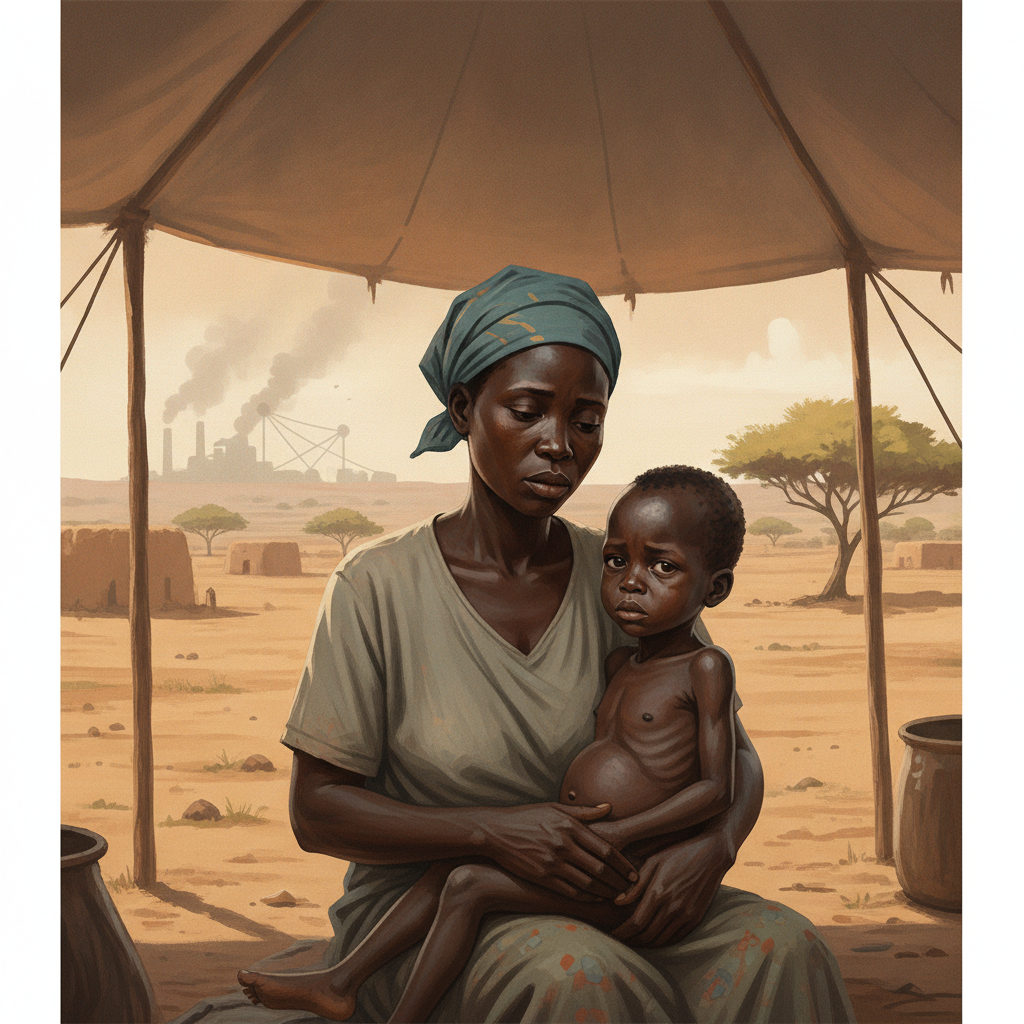
Reported facts: PBS NewsHour (19 July 2026) states that relapses into malnutrition among children are increasingly common in a Nigerian state and across northern Nigeria. Attributed claims: the article reports that local health and aid workers attribute worsening malnutrition and rising poverty in the region to knock-on effects from the Iran war. Uncertainties: the article, as provided, does not include quantitative trend data, national or international agency assessments, or detailed explanation of the mechanisms linking the Iran war to local malnutrition.
Source and Framing Analysis
Source role: PBS NewsHour is reporting on a humanitarian situation using quotes and observations from local health and aid workers. Missing voices: the supplied text does not include statements from Nigerian government officials, national health authorities, international agencies (e.g., UNICEF, WFP), or independent statistical data. Incentives and framing: the piece frames the story as a humanitarian consequence of a distant war, which highlights moral urgency but can imply causation without full evidentiary support. Disputed claims / verification needs: the causal linkage between the Iran war and the malnutrition surge requires independent verification (data on food prices, supply chains, aid flows, and local economic indicators). Local testimony is vital but not sufficient to establish causation or scale.
Biblical Reflection
The article highlights a painful reality: distant conflict can have immediate, life‑threatening consequences for vulnerable children far from the battlefield. The narrative centers local health and aid workers, portraying humanitarian need and naming a possible international driver. As Christians we should receive this report with sorrow and urgency — verifying facts where possible, resisting simplistic blame, and responding with mercy and advocacy. The piece raises legitimate concern for justice (structural causes of poverty), compassion (care for children), and prudence (verify causal claims and identify effective responses). The article is a call to both prayerful lament and concrete assistance, while reminding us to hold accountable the systems and decisions that translate geopolitical conflict into human suffering.
Scripture in context
- 1Matthew 25:31-46 — In the Gospel of Matthew, this passage presents Jesus’ teaching about the final judgment where care for the 'least' (the hungry, thirsty, strangers, sick, imprisoned) is equated with care for Christ himself. It follows teaching about discipleship and prepares the community for living out justice and mercy. — The passage calls the church to see humanitarian need not as political theater but as moral responsibility: feed and protect the vulnerable, advocate for the defenseless, and measure faith by concrete acts of compassion toward children suffering from hunger and poverty.
Faithful Response
Pray regularly for affected communities and for wisdom for aid workers and leaders.
Give to vetted relief organizations working on the ground in northern Nigeria and support programs that target child nutrition and maternal health.
Educate yourself and others about how global conflicts can create economic shocks, then advocate for policies and aid that protect civilians from those shocks.
Resist scapegoating and simplistic narratives; seek reliable data before drawing firm conclusions about causes.
Reflection and Discussion
- 1Which stakeholders and data sources would you consult before accepting that the Iran war is a primary cause of the malnutrition surge in northern Nigeria?
- 2How might media focus on a geopolitical cause shape public empathy, and what risks arise from simplifying complex humanitarian drivers?
- 3What practical steps can your community take this month that would tangibly help children affected by malnutrition?
Sources
Reporting links are evidence inputs; Sanctuary News' biblical reflection is commentary.
This outlook currently relies on fewer than two linked sources. Broaden verification before teaching from it.
- 1.Nigerian children pay the price for the Iran war as malnutrition and poverty surgeprimary_reporting