News Summary
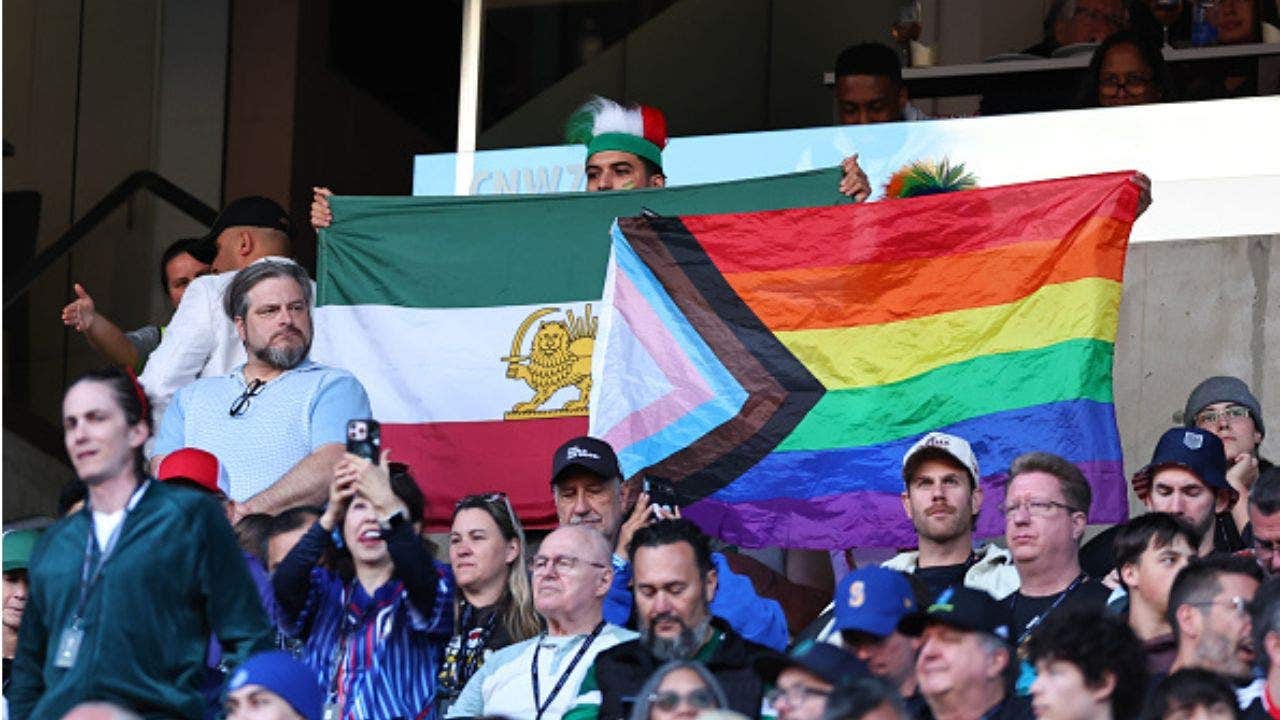
Seattle’s local organizing committee designated the June 26 Group G match of the 2026 FIFA World Cup as the city’s official “Pride Match Day.” The Group G finale happened to pair Iran and Egypt. Both national federations objected to associating their teams with Pride messaging; they asked FIFA to distance the match from Pride activities. FIFA refused to restrict Pride displays, allowing supporters to bring rainbow flags and symbols into the stadium. At Lumen Field, fans displayed a mix of Egyptian, Iranian (including the pre-1979 Sun and Lion flag used by some opposition supporters), and rainbow flags. Outside the stadium there were additional demonstrations, including a “Kick Israel Out of FIFA” march and anti-Israel chants. The teams and managers publicly emphasized a focus on sport rather than politics. The match ended 1-1 after a stoppage-time Iran goal was overturned by VAR; a pitch invader briefly entered the field. Egypt advanced to the knockout stage, and Iran awaited possible advancement as a best third-place team. Iran player Mehdi Taremi said the team respects LGBT people when asked about Pride supporters.
Biblical Reflection
This story highlights how global sporting events become crossroads for competing values and identities. On one hand, FIFA’s decision to allow Pride displays affirms freedom of expression in a host city; on the other, federations representing countries with different cultural and legal norms experienced that expression as a provocation. The article mixes straightforward reporting of events with cultural commentary and an attention-grabbing framing that treats the matchup as an ironic ‘culture war’ moment. Viewed through a Christian lens, we should seek to hold truths together: the dignity of vulnerable people (including LGBT persons and political dissidents), the legitimate convictions of foreign communities and their governments, and the pastoral need to avoid reducing people to symbols or political causes. Christians are called to mercy toward those who suffer under hostile regimes and humility toward communities whose convictions differ from ours. At the same time, Christians should beware of performative activism that substitutes spectacle for sustained care, and avoid celebrating polarizing rhetoric that dehumanizes opposing groups. Sports can be a place for solidarity and witness, but it also risks becoming a stage where complex geopolitical and moral realities are oversimplified. The faithful response is to pray for the oppressed, speak truth with gentleness, and pursue peaceable dialogue rather than triumphalism.
Scripture in context
This outlook does not yet include contextual Scripture citations. Do not treat a general biblical theme as an exegetical conclusion.
Faithful Response
No prescribed response is offered. Consider the reflection prompts below in your own church context.
Reflection and Discussion
- 1Whose voices are being amplified in this moment—citizens, governments, or activists—and how does that change the meaning of public protest?
- 2Are sporting events being used to advance sustained advocacy and care, or mainly to create spectacle and scoring in cultural debates?
- 3How does honoring freedom of expression in one context risk deepening hurt in another, and how should Christians weigh those competing harms?
Sources
Reporting links are evidence inputs; Sanctuary News' biblical reflection is commentary.
This outlook currently relies on fewer than two linked sources. Broaden verification before teaching from it.
- 1.Original reportprimary