News Summary
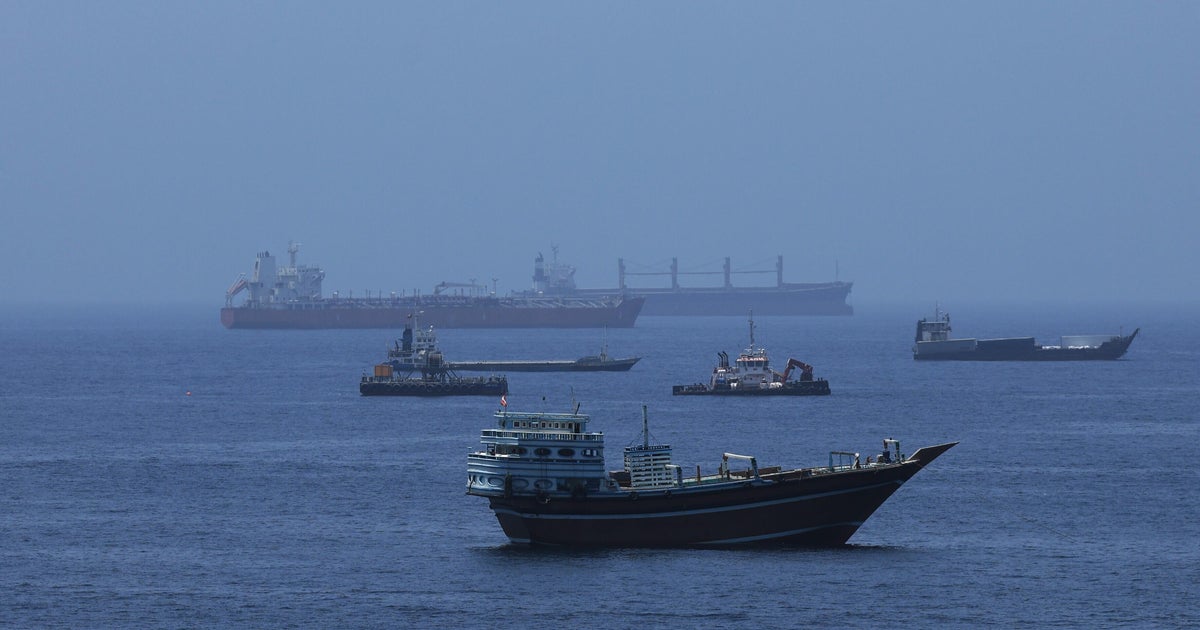
Iran's Islamic Revolutionary Guard Corps struck a Singapore-flagged commercial vessel in the Strait of Hormuz, damaging the ship's bridge after an apparent hit to its starboard side; no casualties or environmental damage were reported. A U.S. official confirmed the attack to CBS News, and the U.K. Maritime Trade Operations Centre described the projectile as "unknown." The International Maritime Organization (IMO) paused a recently launched, large-scale evacuation plan for mariners in the region while it sought clarity on safety guarantees. The incident occurred after a memorandum of understanding between the U.S. and Iran intended to enable toll-free, safe passage through the strait for 60 days; ship traffic had recently increased following the agreement. Iran's maritime authority warned that passage outside its designated framework would not receive safe-passage guarantees or insurance coverage and has not ruled out charging tolls after the 60-day period. Oman says it will jointly manage the strait with Iran without charging tolls. U.S. officials said they will judge Iran by actions rather than rhetoric and warned that threats to ship movement would violate the agreement.
Biblical Reflection
The article reports concrete events tied to fragile diplomatic arrangements and economic stakes. It relies on official sources (U.S. official, IMO, Iran's maritime authority) and focuses on operational consequences—evacuations, insurance, and shipping traffic—so its center of gravity is practical and security-focused rather than purely rhetorical. Christian discernment calls us to attend both to truth and to the human costs: verify attribution where possible (the report cites a U.S. official and maritime authorities, but independent verification of the weapon and motive is limited in the piece), resist easy partisan readings, and notice how the story privileges state actors over the everyday seafarers affected. Spiritually, the incident exposes how fragile peace and agreements are when mutual trust is thin and how economic interdependence (fuel, shipping) can be weaponized or endangered. Pastoral concern should focus on protecting innocent lives, seeking de-escalation, and advocating for accountability in keeping international norms. Christians should pray for leaders to exercise humility and courage—humility to negotiate in good faith and courage to protect noncombatants—while supporting diplomatic mechanisms that reduce harm to neighbors and global communities.
Scripture in context
This outlook does not yet include contextual Scripture citations. Do not treat a general biblical theme as an exegetical conclusion.
Faithful Response
No prescribed response is offered. Consider the reflection prompts below in your own church context.
Reflection and Discussion
- 1What evidence is being cited for attribution, and how might limited or partisan sources shape our judgment about who is responsible?
- 2Are the practical needs and safety of ordinary seafarers and coastal communities visible in the coverage, or are state interests crowding them out?
- 3How does this episode reveal the difference between diplomatic words and enforceable actions, and what does that mean for assessing future agreements?
Sources
Reporting links are evidence inputs; Sanctuary News' biblical reflection is commentary.
This outlook currently relies on fewer than two linked sources. Broaden verification before teaching from it.
- 1.Original reportprimary